

Audio By Carbonatix
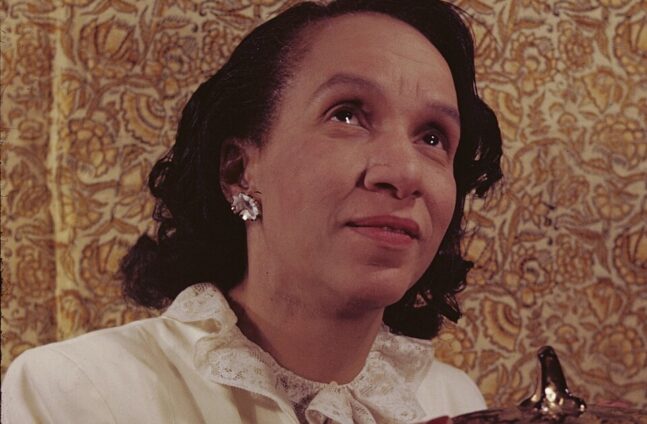
March 27, 2026, marked 49 years since the passing of Shirley Graham Du Bois, a writer, composer, playwright and political thinker whose legacy extends far beyond her association with W. E. B. Du Bois.
Often remembered in relation to her husband, Shirley Graham Du Bois had long established herself as a formidable figure before their union. Her work engaged deeply with issues of race, identity and liberation, yet like many women in history, her story has frequently been framed through proximity to another.
That framing, however, does her a disservice. She was not merely adjacent to history. She actively shaped it.
Before she became Mrs Du Bois, she was Shirley Graham, navigating and challenging the cultural and political landscapes of her time. Her contributions to theatre and music were not simply artistic expressions but deliberate interventions. Through her plays and compositions, she explored Black life with urgency and depth, insisting on narratives often ignored or suppressed.
For her, art and activism were inseparable. She recognised the power of culture to influence minds in ways politics alone could not, and used it unapologetically to advance a broader vision of Black dignity and self-definition.
Her life also reflected bold and deliberate choices. At a time when much of Africa was emerging from colonial rule and diaspora engagement with the continent remained distant, she aligned her future with Africa.
Together with her husband and within the broader vision of leaders such as Kwame Nkrumah, she saw in Ghana more than geography. The newly independent nation represented a bold experiment in Black self-governance and cultural renewal. For her, Ghana was not a symbolic destination but a place of purpose and possibility.
By choosing Ghana, she became part of a wider movement linking Africa and its diaspora. Intellectuals, artists and activists were reimagining identity, belonging and purpose across borders, and she contributed to the cultural and intellectual energy that defined Ghana’s early post-independence years.
She lived, worked and ultimately remained in the country. Today, she rests in Ghana, a nation she chose at a defining moment in history.
At the W. E. B. Du Bois Memorial Centre for Pan-African Culture in Accra, her legacy continues alongside that of her husband. The site offers visitors an opportunity to reflect on their contributions to Pan-African thought and action.
The W. E. B. Du Bois Museum Foundation, which manages the facility, carries a responsibility not only to preserve the site but also to tell a fuller story. Its broader vision includes transforming the Centre into a world-class museum, research and cultural complex that reflects the global significance of both figures.
Yet even within this shared legacy, questions remain about how fully Shirley Graham Du Bois is remembered. Too often, history has placed women slightly out of frame while celebrating great men. Her story challenges that pattern and calls for a more complete retelling.
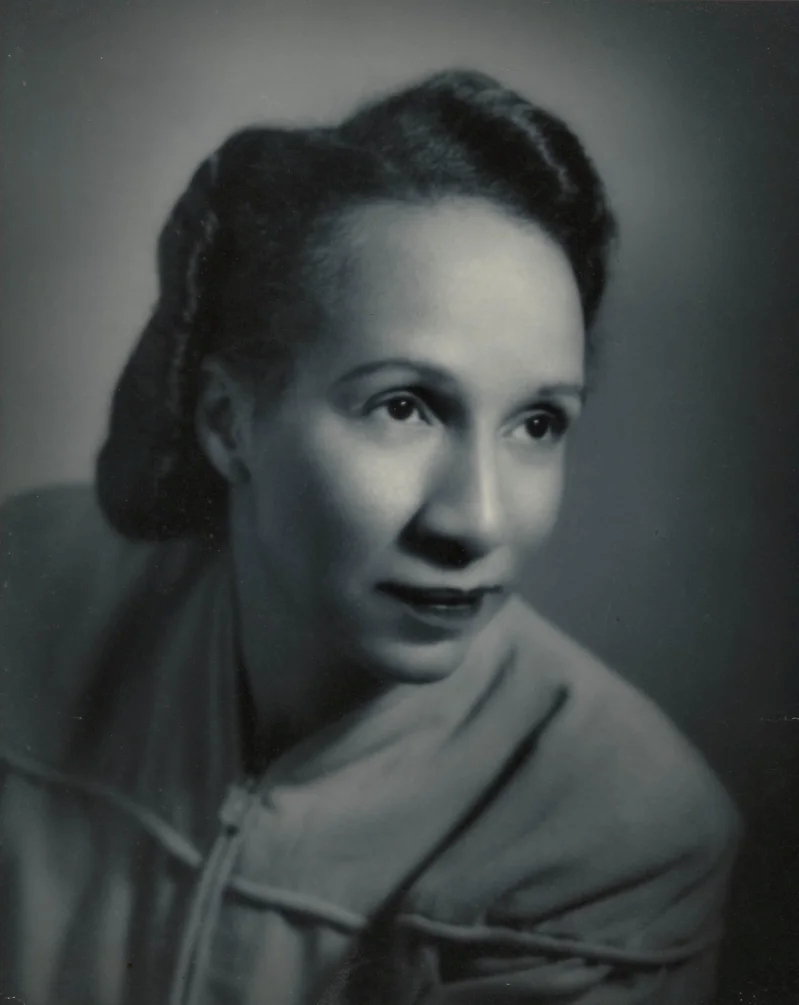
Her decision to settle in Ghana also remains relevant today. As conversations around identity, belonging and the diaspora continue to evolve, her life offers both historical insight and contemporary meaning. She approached Africa not as an abstract idea but as a living, evolving space where she could belong and contribute.
That perspective reframes Ghana not only as a place of heritage but as a place of purpose. It underscores the dynamic and intentional relationship between Africa and its diaspora.
Remembering Shirley Graham Du Bois is therefore not merely an act of tribute. It is an act of recognition. It acknowledges a woman who saw Africa as a place of possibility and who lived that conviction through her work and choices.
The question is no longer who she was. History has answered that. The question now is whether her story will be told with the depth and clarity it deserves, not in the shadow of another name, but in the strength of her own legacy.
Latest Stories
-
Church of Pentecost supports over 2,000 BECE candidates in Obuasi with career guidance seminar
1 hour -
Brandon Asante and Coventry all but promoted to Premier League despite Sheffield Wednesday draw
1 hour -
GPL 2025/26: Late Kwartemaa strike downs Hearts in Tema
2 hours -
Ghana Faces Sierra Leone Moment as Prosecutorial Powers come under strain
2 hours -
Don’t consume fish or seafood from Tema Shipyard until further notice – FDA warns
2 hours -
Why volunteering might be Africa’s most underrated career accelerator
2 hours -
ActionAid Ghana raises concern over gender gaps in Feed Ghana Programme
2 hours -
Windstorm wreaks havoc in Gushegu, displacing nearly 2,000 residents and damaging schools
2 hours -
Friends of Bridget Bonnie Marks her 35th birthday with donation to Kasseh Model Health Centre
3 hours -
From Ekumfi Kokodo to the Pulpit Stage: Essi Donkor’s gospel journey takes shape
3 hours -
Landfilling waste management creates no value, it’s an economic waste
3 hours -
Photos: Speaker Bagbin Commissions MPs constituency office under parliamentary decentralisation programme
4 hours -
Black Stars technical advisor Winfried Schäfer sacked as GFA shakes up backroom staff
4 hours -
Wenchi water project almost complete, critical to gov’t agenda – GWL MD
4 hours -
Anti-LGBTQ+ bill not part of government’s legislative agenda – Inusah Fuseini
4 hours