

Audio By Carbonatix
A new, comprehensive study has exposed a silent crisis of burnout and psychological distress among Ghana’s frontline healthcare workers, revealing that over half are struggling with significant anxiety.
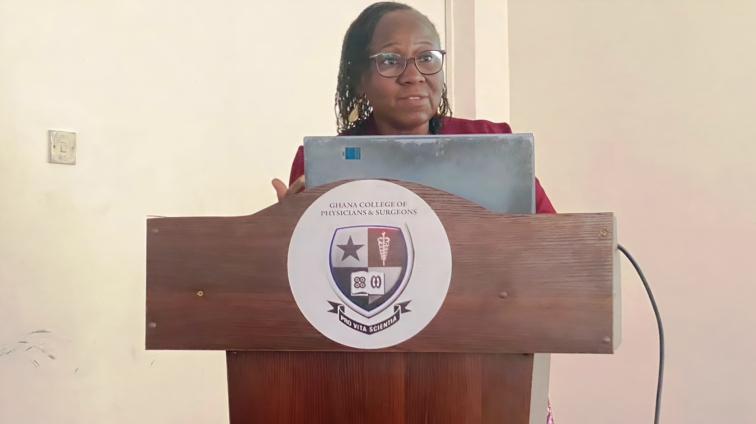
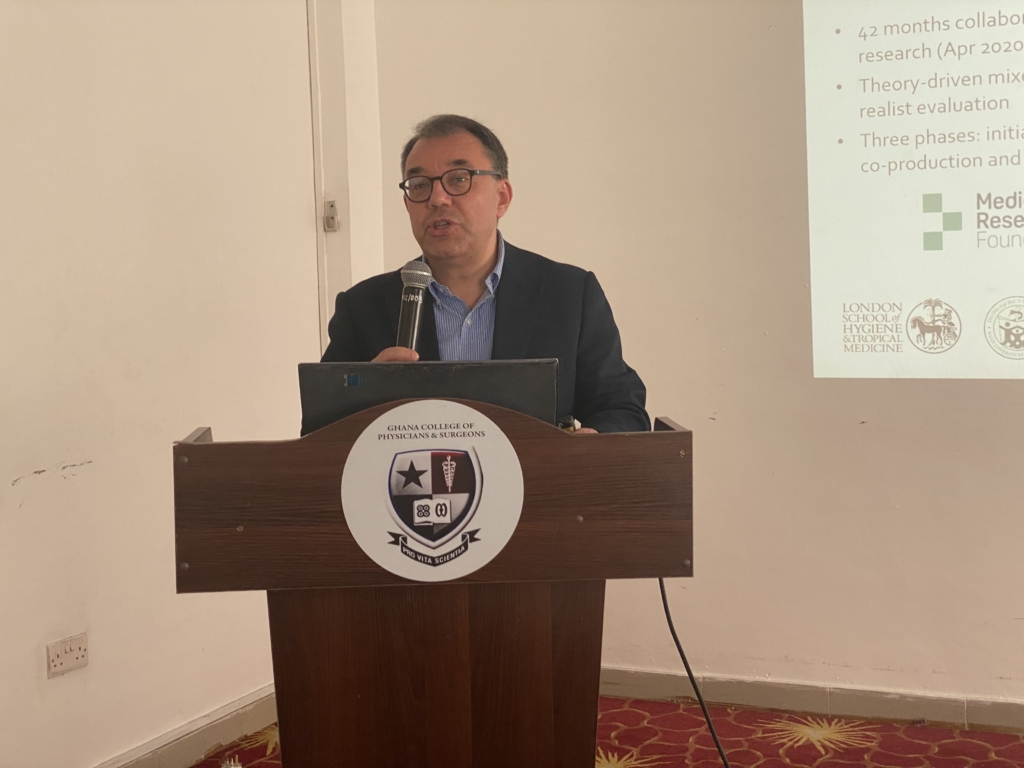
The findings, presented at a national policy dialogue at the Ghana College of Physicians and Surgeons (GCPS) on Tuesday, November 27, underscore the urgent need for systemic reform to protect the very individuals tasked with caring for the nation's health.
The data comes from the four-year RESPONSE research project, a study led by the London School of Hygiene & Tropical Medicine (LSHTM) in collaboration with the Ghana Health Service Research and Development Division (GHS RDD) and other partners with funding from the UK Medical Research Council, Foreign Commonwealth & Development Office (FCDO) and Wellcome Trust.
The Healers in Crisis: A Staggering Burden
The study's most immediate and alarming figures relate directly to the mental state of the professional staff.
Researchers utilised the Depression, Anxiety, and Stress Scale (DASS-21), administered confidentially to 172 health workers via a mobile application, across six primary health facilities in the Greater Accra Region (Prampram-Ningo and Shai-Osudoku districts).
The results highlight a severe psychological strain:
| Mental Health Indicator | Prevalence Among Health Workers |
| Anxiety (Moderate to Extremely Severe) | 51% |
| Stress (Moderate to Extremely Severe) | 40% |
| Depression (Moderate to Extremely Severe) | 37% |
These statistics reveal that the pressure of the Ghanaian healthcare system is creating a significant occupational health hazard.
It is a significant problem for frontline health workers to experience anxiety, depression, and stress. These issues can have serious negative consequences for both the workers' well-being and the quality and safety of the patient care they provide.
Frontline healthcare workers face a myriad of stressors, including long hours, high pressure, exposure to trauma and death, and, in crisis situations, inadequate resources and fear of infecting family members. If left unaddressed, this psychological distress can lead to several issues, including:
- Burnout and emotional exhaustion.
- Insomnia and other sleep disorders.
- Post-Traumatic Stress Disorder (PTSD).
- Substance use disorders.
- Higher rates of absenteeism and staff turnover.
- Suicidal ideation in severe cases
Professor Irene Agyepong, Co-Principal Investigator and Ghana Team Lead for the project, shared the direct feedback received from staff, cutting to the core of the issue:
“Health workers told us clearly: ‘If you want us to care for patients’ mental health, you must first care for ours,’” Prof. Agyepong stated.
A Tested Solution: App-Based Support

To address the documented crisis, the RESPONSE project piloted a novel intervention focusing on accessibility and confidentiality for staff.
The solution involved Voluntary DASS-21 Self-Screening via a mobile app. The data was reviewed confidentially by a psychiatric team lead, who then followed up with teleconsultations and referrals for those identified as needing support.
However, the pilot exposed crucial gaps in implementation.
Of the 103 staff members flagged as requiring intervention, only 56 successfully received follow-up care. The primary barriers were logistical, including incorrect contact details and difficulties scheduling follow-up sessions, underscoring the challenge of providing care to staff who work demanding, unpredictable hours.
Systemic Failures and Policy Demands
The researchers emphasised that the high rates of anxiety and stress are not just individual problems but indicators of systemic failure. Prof. Tolib Mirzoev, Principal Investigator of the project, stressed the need for a cultural shift in the health sector.
“Health systems’ responsiveness is a critical aspect of performance. Prioritising responsiveness to both patients and staff, particularly in mental health, is essential,” he remarked, noting the pervasive stigma that often impedes both patient and provider from seeking mental health support.
The dialogue concluded with strong policy directives aimed at creating a legally and financially supported framework for health worker mental wellbeing. Dr. Frank Atuguba, Director of the Dodowa Health Research Centre, issued a clear call to the Ministry of Health and Ghana Health Service to:
- Allocate dedicated budgets for frontline health worker mental health support.
- Institutionalise the RESPONSE tools and protocols as part of national guidelines.
Participants committed to forming a Technical Working Group to explore sustainable financing structures, including the potential integration of mental health services into the National Health Insurance Scheme (NHIS), ensuring that staff wellbeing is budgeted for and covered.
Context: The Dual Crisis
While the focus of this report is on the health workers, it is crucial to note the parallel crisis they are navigating: the mental health burden on mothers.
The same study revealed that 28% of over 2,000 women screened showed signs of mental distress, with 5% having experienced suicidal thoughts—a problem Prof. Agyepong notes often begins during pregnancy, with 36% of pregnant women showing distress.
Ultimately, the RESPONSE team argued that staff mental health is not a tertiary concern but a foundational requirement for quality healthcare.
“Maternal and health worker mental health is not a luxury—it is foundational to achieving universal health coverage and the Sustainable Development Goals,” Prof. Agyepong concluded.
Latest Stories
-
Renewed flood intervention at Mallam Junction raises hopes among residents, businesses
27 minutes -
St Augustine’s College retain National Investment Quiz title after nail biting grand finale
36 minutes -
Education infrastructure investment will drive Banda’s development – Ahmed Ibrahim
44 minutes -
Teacher unions strike: Gov’t presents fresh proposals as talks end inconclusively
1 hour -
51,000 teachers’ promotion arrears to be validated for October payment – Education Minister
2 hours -
Kwabena Boamah appointed Board Chair for Impact Investing Ghana
2 hours -
Striking teacher unions to meet Fair Wages and Salaries Commission on October 6
2 hours -
EOCO working with AG to arraign Nana Baffour Awuah before weekend court
2 hours -
Duraplast reassures customers after fire, announces October 5 reopening
2 hours -
Call off strike, gov’t will not renege on promotion arrears pledge – Haruna Iddrisu appeals to teacher unions
3 hours -
Committee set up to validate teachers eligible for 20% deprived-area allowance – Education Minister
3 hours -
Five-member committee to search for new Black Stars coach after Sports Ministry-GFA meeting
3 hours -
Pinktober: Breast cancer survival exceeds 90% when detected early – Breast Society of Ghana
3 hours -
TCDA to adopt Upper West’s MATCO mango farm as northern prototype, issues warning against felling shea trees
3 hours -
‘Fear delegates’ tag: Afoko touts genuineness among delegates ahead of NPP delegates conference
3 hours