

Audio By Carbonatix
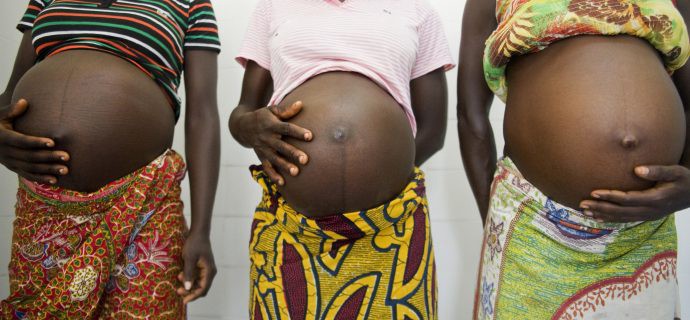
Ghana needs ¢3.5 trillion to provide adequate nutrition to 850,000 pregnant women and more than 4,000 infants in the country.
The nutritional value should include multiple micro nutrient and calcium supplementation, exclusive breastfeeding of infants and improving complementary feeding interventions.
It is expected that adequate nutrition would reduce maternal deaths by 82 per cent and 16 per cent stunted growth in children under-five years and ultimately minimise infant mortality.
Currently, one out of every five children in Ghana is malnourished due to endemic poverty, especially in the northern parts of the country.
Dr Haruna Issahaku, a Senior Lecturer at the Department of Economics, University of Development Studies, made this known when he presented findings on a study to a seven-member Eminent Panel at the "Ghana Priorities Conference" in Accra on Sunday.
The event was organised by the National Development Planning Commission (NDPC), in collaboration with the Copenhagen Consensus Centre, an international think tank.
The conference will allow the Panel to critique 80 priority policy interventions using the cost-benefit analysis to provide government and the donor community with the most effective policy solutions to accelerate socio-economic growth.
Dr Issahaku said, for instance, it would cost government GHc203 million annually to provide multiple micro nutrition solutions to pregnant women.
Also, it would cost government ¢26 million per year by way of breastfeeding promotions and sensitisation programmes, in order for 174,000 mothers to undertake exclusive breastfeeding, which would save 745 infant lives annually.
The nutrition intervention, he said, would benefit the nation to the tune of ¢623 million and compel 43,000 extra mothers to undertake exclusive breastfeeding.
Dr Issahaku noted that should government invest one Ghana cedi in nutrition solution interventions, ¢24 would be accrued to the nation.
Meanwhile, Prof Charles Adjasi of the University of Stellenbosch Business School, South Africa, who presented a study on poverty interventions, outlined four measures to alleviate poverty in the country.
They are providing skills training to help individuals pursue economic activities that would earn them regular income, cash transfers to poor households, financial assistance to microfinance enterprises operated by poor households, and social housing or shelter to urban-poor households to enhance livelihoods.
Latest Stories
-
‘Our missing players are more important’ – Gambia coach fires shot at Ghana
43 minutes -
Today’s front pages: Tuesday, September 29, 2026
46 minutes -
Ghana ‘showing up differently’ on global stage – Joyce Bawah Mogtari
1 hour -
Ghana’s tuna industry in crisis as 20 hook-and-line vessels collapse
2 hours -
South Tongu MP launches apprenticeship programme for 159 young people
2 hours -
The Pusiga connection behind Gertrude Atongi’s work in New York
3 hours -
Teachers took promotion exams in December to beat government clearance deadline – GNAT
3 hours -
NPA launches 2026 staff welfare week with focus on teamwork and employee wellbeing
3 hours -
Ghana, Saint Kitts and Nevis sign labour deal to strengthen protections for Ghanaian nurses
3 hours -
Delayed promotions put teachers’ retirement benefits at risk – GNAT
3 hours -
No ‘Bawumia candidates’ in NPP executive elections – Anthony Karbo
3 hours -
Over 3,000 displaced as flooding overwhelms Hohoe communities
3 hours -
Sunyani East NPP executives begin reconciliation drive ahead of 2028 polls
3 hours -
Agric Minister engages Ga Mantse on agriculture transformation agenda
3 hours -
Aayalolo expansion targets private car users, not trotro operators – Mahama Ayariga
3 hours