


Audio By Carbonatix
On 18 December 2020, Ahmad Bin Ali Stadium will be inaugurated as the fourth FIFA World Cup Qatar 2022™ tournament venue when it hosts the Amir Cup final between Al Sadd and Al Arabi.
It will be the latest milestone achieved by the Supreme Committee for Delivery & Legacy (SC) and follows the successful redevelopment of Khalifa International and the inaugurations of both Al Janoub and Education City.
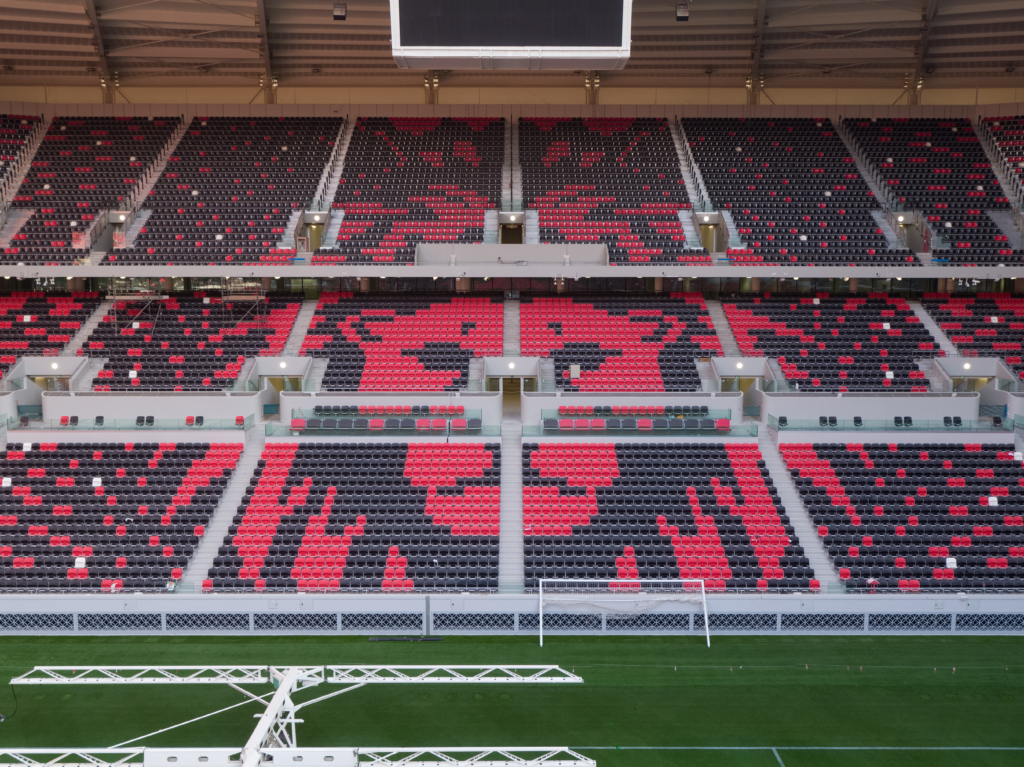
Football fans, especially those of Al Rayyan Sports Club, will marvel at the sight of this magnificent 40,000-capacity venue – which will become their new home and stand as a symbol of sustainability.
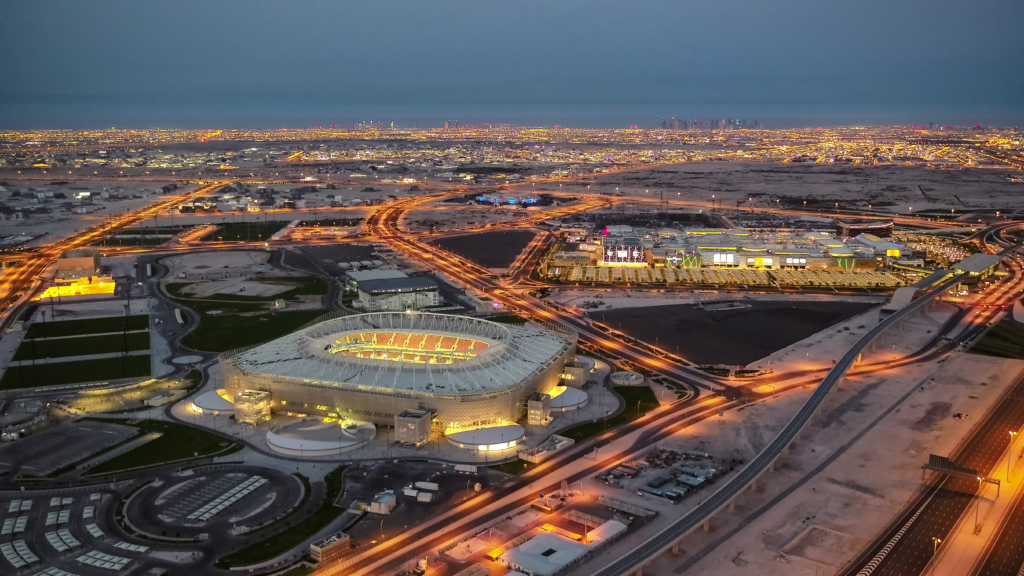
The task of deconstructing Ahmed Bin Ali Stadium and fulfilling the sustainability goals of the new venue provided the SC with a unique opportunity. The result was that 90% of materials from the old stadium were reused or recycled within the new project – and that process began with the careful deconstruction of the existing venue.
“In 2014, we released a tender to appoint a deconstruction contractor. It is a specialist job where you don’t demolish a building but you deconstruct it. You take the building apart in different elements,” said Abdulla Al Fehani, the SC’s Ahmad Bin Ali Stadium’s Precinct Director.
“Those elements included the concrete, the wiring, the steel which is part of the structure itself, and other elements like the doors, seats and lights. We removed those elements, then removed the structure itself, until it was concluded.”
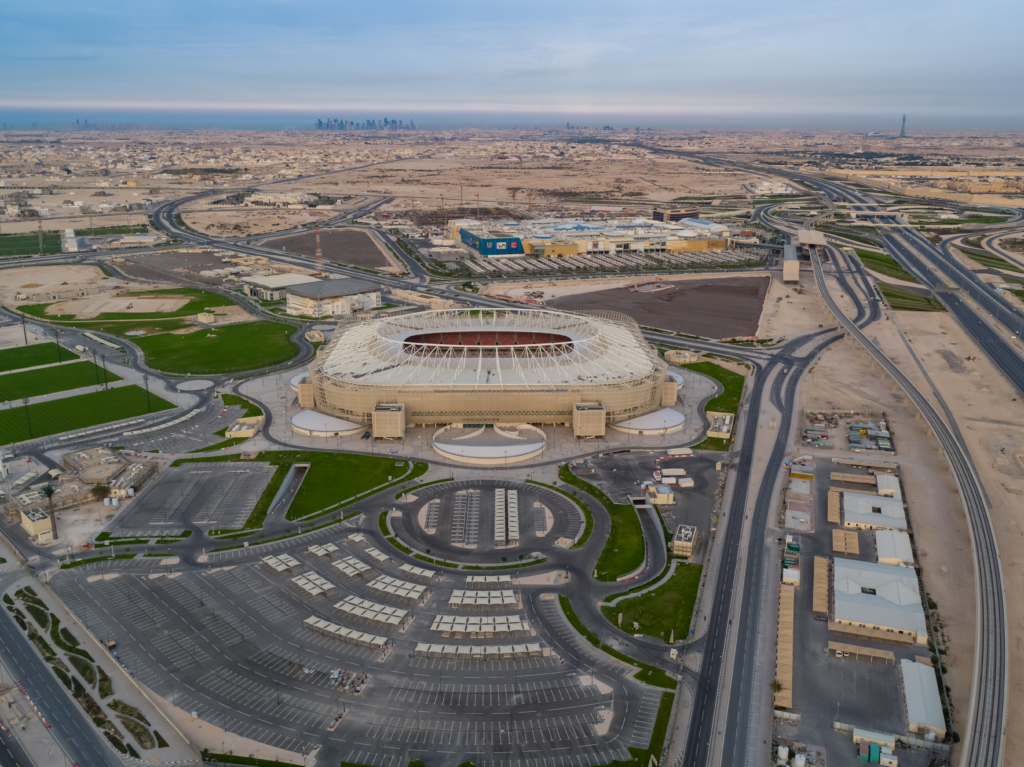
Among the materials to be reused in the new stadium precinct was upwards of 250,000m² of backfill, while other materials were used for temporary infrastructure, like labour accommodation.
Some materials were also set aside for public art installations, while seat tags were saved and given to Al Rayyan supporters and club officials as mementos of their previous home.
“Some time into the project, construction of temporary training sites for Al Rayyan Sports Club was added to the scope,” revealed the SC’s Sustainability and Environment Director, Engineer Bodour Al Meer.
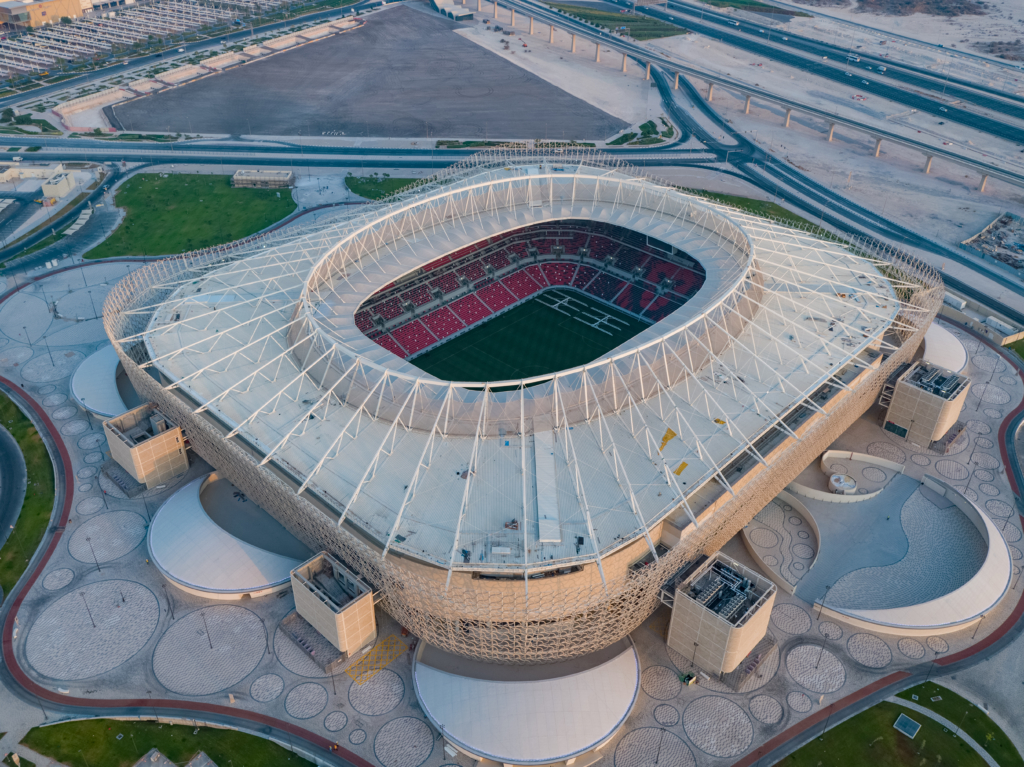
“We also realised there were quite a few sports lights in the stadium, which we were able to take down carefully and then reuse for the temporary training sites next to the venue.”
While some of the reused materials are not as visible in the new stadium complex, trees and plants that once surrounded the old stadium were retained and replanted, which has helped to minimise damage to the natural environment.
“We moved about 200 plants to a nearby nursery, next to our stadium site, then we moved a lot of them back to the redeveloped site,” said Al Fehani. “Some trees were given to the Ministry of Municipality and Environment as part of our sustainability objectives.”
Latest Stories
-
GNFS contains fire outbreak at Teshie Lekma Road near Lekma Hospital
6 hours -
Samia Nkrumah rejects the narrative that Ghanaians were happy after Nkrumah’s overthrow
7 hours -
A Mother’s pain: Tribute by Ivan Baidoo’s mother
7 hours -
‘Forgive us for staying away’ — Samia Nkrumah leads family back to Nkroful, pledges to preserve Nkrumah’s legacy
8 hours -
Ernest Nuamah scores twice as Lyon beat Rennes
8 hours -
‘My dear Ivan’ – A father’s tribute to a son tragically killed
8 hours -
GNPC Explorco advances Voltaian Basin drilling preparations with 13.5km access road
8 hours -
Cabinet approves facility manager for Borteyman Sports Complex – Kofi Adams
9 hours -
Sanitation is improving; critics may be ‘living in another world’ – Salaga South MP replies Bekwai MP
9 hours -
Government must do more to tackle sanitation crisis – Bekwai MP
9 hours -
World Cleanup Day: GFF begins sanitation education in local communities
9 hours -
EU Ambassador, IGP discuss stronger cooperation on policing and security
9 hours -
Africa Nations Volleyball Championship: Ghana set up quarterfinal clash with Cameroon after beating Chad
10 hours -
Meet Dr Benjamin Appiah Osei — Ghana’s three-time tourism awards winner
10 hours -
UEFA & CONCACAF demand Fifa pays $10m to all 211 members
10 hours