

Audio By Carbonatix
All is set for this year's Census Night, which falls tomorrow Sunday, June 27, 2021.
The Census Night is the reference date for census enumeration and all questions asked during enumeration will relate to that Night.
All persons who spend the Census Night in Ghana will be counted. This includes everyone who spent the night inside household, people who spent the night at hotels, people in transit and all outdoor sleepers.
In effect, everyone in Ghana during the time of the Census would be counted.
The enumeration exercise will continue from June 28 and end on July 11, 2021.
The listing of structures to herald the main exercise began on Sunday, June 13, 2021.
The 2021 PHC will provide important information to support the evidence-based implementation of the national development agenda and support the tracking of achievements of the Sustainable Development Goals and Agenda 2063 of the African Union.
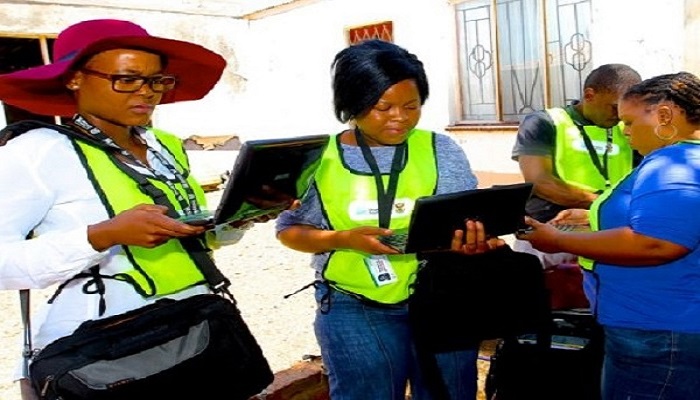
During enumeration, a census official (enumerator) will visit each household and administer a questionnaire (collect some information) from the head of household or any other adult in the household.
The enumerator will present their ID card on arrival. The interview to collect information must be conducted in the language that the respondent (household member) can understand.
It is important that everyone takes note of the Census Night and where one spent that night to answer the questions accurately.
All heads of households should also make note of all the persons that slept in their households on the Census Night, both usual members of the household and any visitors.
Enumerators will visit all households or institutions and collect detailed information on the persons that slept there on Census Night.
It is important that all household heads are able to answer these questions on behalf of others in their absence.
The information to be collected covers the following:
1. Travel history of household members who have migrated abroad
2. Socio-demographic characteristics (age, sex, education, ethnicity, religion etc.)
3. Literacy and education
4. Economic activity (employment status, job description, occupation, industry)
5. Difficulties in performing daily living activities (seeing, hearing, walking etc.)
6. Ownership and usage of ICT devices
7. Children born to women 12 years or over
8. Deaths of household members within the past 12 months
9. Housing conditions (construction materials of structure; water supply; asset ownership)
10. Sanitation (disposal of solid and liquid waste)
11. Source of water, lighting and cooking fuel.
Latest Stories
-
Paul Afoko files NPP chairmanship nomination, promises to reunite party ahead of 2028
2 minutes -
FDA seizes flood-damaged drinks, warns public against purchasing washed products
16 minutes -
Lockerbie bombing trial postponed again after new evidence emerges
18 minutes -
NLA says 12% salary offer remains on table, urges striking staff to return to work
21 minutes -
MTTD officers will remain on roads despite traffic technology rollout – Interior Ministry
40 minutes -
NPP backs Afenyo-Markin’s push for answers over alleged GoldBod losses
43 minutes -
NDC Upper West Chairman Bunas declares bid for re-election
48 minutes -
Ghana saves $500m from shift from liquid fuel to gas – Jinapor
49 minutes -
Mahama to cut sod for new multi-storey airport car park, hotels
49 minutes -
China warns it will protect its interests after US widens sanctions against Iran
51 minutes -
NSMQ 2026: PRESEC Legon eye ninth NSMQ title after last year’s quarter-final exit
52 minutes -
NPP Ashanti Regional Chairman urges media to clamp down on political insults
1 hour -
HIV stigma could derail Ghana’s 2030 target – AHF Ghana
1 hour -
NYA CEO urges Ghanaian youth to take an active role in decision-making
1 hour -
How Ghana’s customs clearance process works – Revenue Officer explains
2 hours