

Audio By Carbonatix
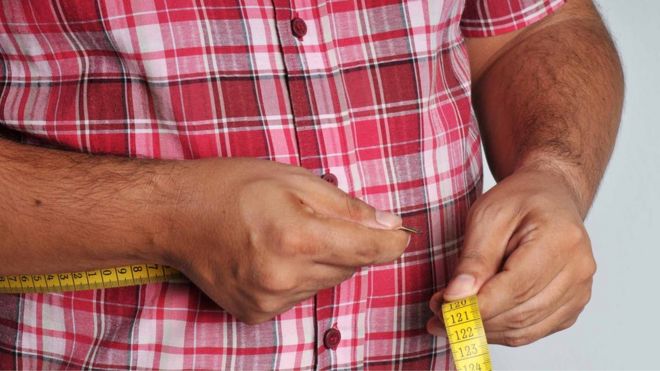
Like many diseases, obesity is on the rise in Ghana. According to a 2018 report, 43 per cent of Ghanaian adults are either overweight or obese.
Obesity, according to researchers, is not just a cosmetic concern. It is a medical problem that increases the risks of other health problems, such as heart disease, diabetes, high blood pressure, and certain cancers.
However, losing weight is not easy, and it takes commitment.
Chief Executive of Medicas Hospital, Dr Yaw Osafo on Joy FM’s Super Morning Show Friday, shared four critical pillars that individuals who seek to keep the weight off can execute.
Dietary modification
According to Dr Osafo, diet moderation is the biggest method to adopt in obesity management.
He explained that people who take too much energy-dense food and expend less energy, accumulate fats in the body causing the condition.
As such, he advised people to engage health experts to determine their required calories for a day.
“The main principle under this is calorie restriction or putting the individual in a negative energy balance.
“So your dietician and your doctor will make an assessment of your energy need for a 24-hour period based on your activity levels and your metabolism levels for your age,” he said.
For the ketogenic diet, where the body relies solely on protein as fuel, Dr Osafo described the method as poisonous.
He stressed that the body produces a biochemical that could be deadly to the individual involved.
Physical activity
Physical activity habits and lifestyle is difficult, but with a plan, regular support, and patience, Dr Osafo indicated that it helps people lose weight and improve their health.
Medication
When healthy eating and physical activity habits are not enough, doctors may prescribe medicines to treat overweight and obesity.
However, the CEO cast doubt about the efficacy of medication to manage obesity.
“Your doctor can come in and prescribes some medicines we know improves or contributes to weight loss. I must admit that in my experience, these things are not highly efficacious.”
He advised people with the condition to try to stick with their healthy eating plan and continue getting regular physical activity to lose weight.
Surgical management.
Dr Osafo suggested that surgery can also be a method to manage obesity.
Naming bariatric surgery, he noted that it includes several types of operations that help you lose weight by making changes to your digestive system.
“Most of the time people just eat too much, what happens is that during the [bariatic] surgery, we reduce the size of your stomach to about a third. So that you cannot eat a lot and you ought to eat slowly. If you eat fast, you would throw up because the stomach is of a very small size now,” he said.
Latest Stories
-
JoyNews-Republic Bank Habitat Fair finale turns homeownership dreams into real possibilities
10 minutes -
Bamiri chief commissions KG block, guest house to boost education and revenue
27 minutes -
NSMQ 2026: Yaa Asantewaa Girls’ going ‘beck’ to Tanoso after Bishop Herman deals them early exit
51 minutes -
Data Protection Commission acquires two vehicles to strengthen data protection enforcement
1 hour -
NSMQ 2026: Holy Child School storms back from two-year NSMQ absence to book One-Eighth ticket
3 hours -
GNFS dismisses reports of unpaid 2025 rent allowance
4 hours -
Gordon Asare-Bediako steps down from NPP Communications Director race, backs Dennis Aboagye
4 hours -
GES dismisses requirement for newly promoted teachers to submit documents for salary adjustments
4 hours -
Meko Bono 2026: Vice President pledges agricultural revival as Atebubu hosts grand homecoming
5 hours -
Russian skydiver Sergey Boytcov sets world record with 11,551-metre stratosphere jump
5 hours -
Ablakwa-led committee submits five reports to Mahama ahead of 2027 AU chairmanship
5 hours -
Africa not seeking Western cash in reparations campaign – Ablakwa
5 hours -
Production decline, reserve depletion threaten Ghana’s upstream sector – Jinapor
6 hours -
Surveyors caution against treating compensation disputes as professional misconduct
6 hours -
Mahama calls for AU dialogue on migration after South Africa xenophobic tensions
6 hours