

Audio By Carbonatix
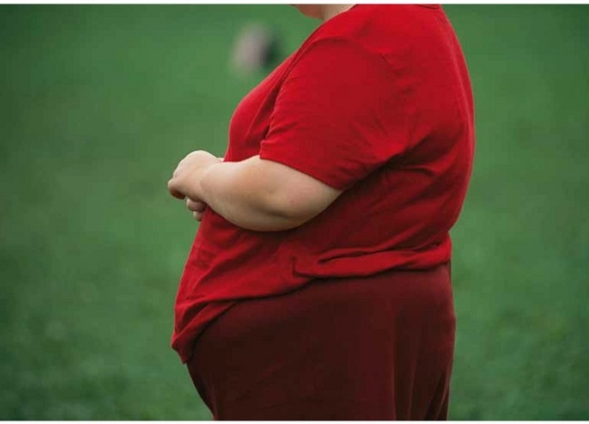
Medical experts have raised critical concerns about how society is increasingly contributing to a rise in obesity cases in Ghana.
In the nineties (90s), 10% of children were obese, but that number has doubled currently to 20%, a significant rise over the years, deemed a huge problem in the country.
They point to criticisms against others who lose weight, saying the attitude has made it difficult to curb the challenge, as victims fear being tagged with negative perceptions.
The idea of weight loss scares the majority of Ghanaians, especially females, and every society has a perception about certain things and will always have their opinion about things they think are unusual to them.
This makes most people afraid to inculcate daily habits that could help them lose weight to avoid questions about whether they are sick or ignoring their health.
Specialist Family Physician at CREATE Ghana, Dr. Nana A. Konadu Darko, said on Joy Prime’s Prime Morning show that it is gradually becoming a huge problem because some people would prefer to add on weight even though they may be naturally thin.
“Our society in terms of our values, food, and sometimes individuals. When you put on weight, people say you’re looking nice; you’re looking good, and everything is okay. But when you start losing weight, they ask questions like, are you sick? Is something wrong? Are you worried? While you may have noticed that it’s not good for your health so you’re trying to do something about it.
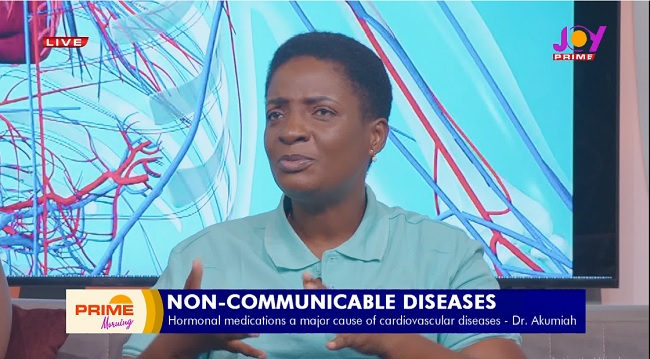
“I know people who have lost so much weight in the hospital and they come and they’re like their relatives, husbands, and wives are like, do they have HIV? Is there something they should know? Whilst it’s nothing except they‘re just trying to lose their weight.”
Some people have a predisposition to having more weight, particularly in families, but Dr. Darko said it does not make it right, although it could be genetic.
She said that “It’s not about getting to the ideal weight tomorrow. It’s about having that thought at the back of your mind that my choices will impact my body and what happens to it.”
The physician cited some daily human activities that complement obesity: sitting at home with children for longer hours to watch devices; not much physical education (PE) in schools these days; and sitting down at the workplace for six hours straight (a health risk).
Other factors that predispose one to obesity include unhealthy eating, lack of exercise, excessive stress, certain mental health disorders, and hormonal conditions such as hypothyroidism.
Latest Stories
-
HIV stigma discourages testing, prevention and treatment in Ghana – Ghana AIDS Commission
33 seconds -
Blocking cocaine probe lends weight to claims of political protection for traffickers – Assin South MP
4 minutes -
NPP Vice Chair race: I may be the youngest, but most experienced – Nana B
6 minutes -
Last UK and US troops leave Iraq as anti-Islamic State mission ends
6 minutes -
Don’t stay home idle, embrace entrepreneurship while awaiting posting – Unemployed nurses urged
18 minutes -
Aayalolo buses not speeding on contra-flow lanes – GAPTE assures commuters
21 minutes -
Effia MP calls for Kurt Okraku’s removal, overhaul of Ghana football structure
22 minutes -
CAS hearing on AFCON final appeal by Senegalese Football Federation set for October 8
22 minutes -
STC fares to go up by up to 8% this week – Deputy MD
23 minutes -
Photos: Accra-Kumasi bypasses get new lease of life as contractors return to site
23 minutes -
Man allegedly swallows five SIM cards to conceal evidence after arrest
24 minutes -
After three finals, Ayikuma Methodist Basic School finally lifts National Juniors Challenge trophy
24 minutes -
Black Stars management ignored players’ health conditions ahead of Gambia game – Ernest Thompson alleges
26 minutes -
Ghana is 5th largest crypto market in sub-Saharan Africa; annual transactions around $21bn
26 minutes -
Russia launches largest attack on Ukraine energy infrastructure since spring
27 minutes