


Audio By Carbonatix
The Indigenous Women Empowerment Network (IWEN), a health-centered organisation has been advocating a wider range of improved contraceptives and high-quality counseling services to prevent unintended pregnancies that could result in unsafe abortions.
According to the Executive Secretary of IWEN, Celestina Andoh, most young women in Ghana face difficulties in accessing sexual and reproductive health services whilst many others are not using contraceptive despite wanting to avoid pregnancy.
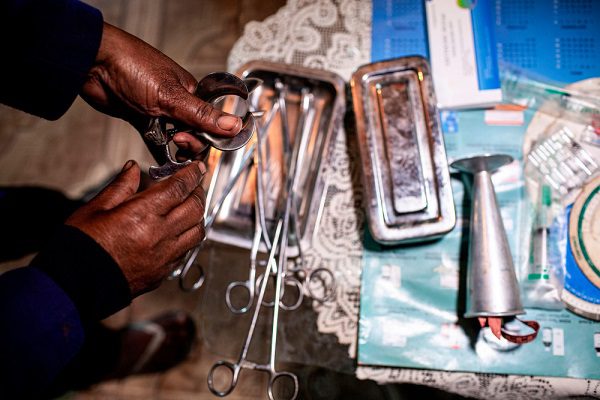
In a statement on this year’s International Safe Abortion Day, Ms. Andoh indicated that indigenous young women, particularly the unmarried ones experience stigma from some health service providers when accessing contraceptives.
This to her, has contributed largely to the ever increasing teenage pregnancies across the country.
“Ghana recorded 555,575 teenage pregnancy cases between 2016 and 2020 out of which 13,444 were girls aged 10 to 14 and this is very worrying,” she added.
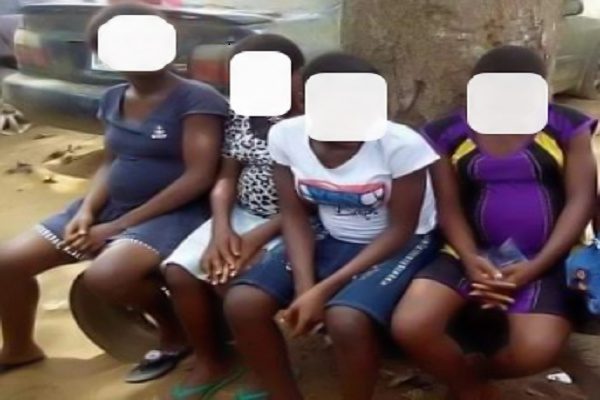
Ms. Andoh said indigenous young women in Ghana have to contend with other issues such as early marriage and difficulty in accessing safe abortion in case of unplanned pregnancy.
She noted that access to comprehensive, confidential and unbiased sexual and reproductive health information and services is a critical part of realizing indigenous young people’s sexual and reproductive rights.
These fundamental rights, according to her, are enshrined in various international agreements signed by Ghana, from the broad-range 2003 Maputo Protocol to more focused declarations such as the 2016 Outcome Document of the 7th Africa Conference on Sexual Health and Rights.
She therefore called on the government to implement national initiatives that promote a human rights-based approach to adolescent sexual and reproductive health programming.
The Executive Secretary of IWEN said even though the Ministry of Health and Ghana Health Service has developed policies, protocols and standards that seek to improve the quality of, and access to youth-friendly sexual and reproductive health information and services in Ghana, there are still challenges.
According her, meeting government’s targets for improving young people’s sexual and reproductive health and rights requires a better understanding of their needs and behaviors regarding contraception and abortion.
She said there is a widening gap in the access to essential healthcare Sexual and Reproductive Health and Rights Services for young women and other marginalised groups when it comes to accessing abortion.
International Safe Abortion Day is the annual day of action in support of the right to safe abortion which falls on September 28.
It has been celebrated since 1990 in Latin America, and since 2011 around the world.
Latest Stories
-
Inter-Agency Football Gala: YEA organize event as part of National Youth Month celebration
1 hour -
Receiver fights High Court order to hand over No.1 Oxford Street Hotel to Cheddar’s company
2 hours -
NSMQ 2026: St. Francis Xavier deny debutants Pentecost SHS one-eighth spot
2 hours -
NSMQ 2026: Tamale SHS sweep aside Kalpohin, Wenchi Methodist to reach one-eighth stage
2 hours -
Heart of the Beast to Practical Magic 2: 10 of the best films to watch this September
3 hours -
NSMQ 2026: Tears of relief as Labone SHS survive Notre Dame Sem. in thriller to secure one-eighth spot
3 hours -
Onga Tomato Mix unveils Diana Hamilton as Brand Ambassador
3 hours -
NSMQ 2026: Winneba Secondary School holds off Fijai SHS to reach one-eighth stage
3 hours -
KNUST assures staff, public over statute review process amid UTAG concerns
3 hours -
CLOGSAG Executive Secretary Dr Isaac Bampoe Addo passes on
4 hours -
Take post-flood disinfection seriously to prevent disease outbreaks – Environmental Health Officer backs Zoomlion
4 hours -
Zoomlion launches fumigation exercise across 14 MMDAs in Western Region
4 hours -
UTAG-KNUST votes to retain elections for Pro-Vice Chancellors and Deans
4 hours -
Newsfile to discuss nationwide blackouts, GoldBod controversy, galamsey and water quality
4 hours -
Adamus must settle GRA, MIIF and financial institutions liabilities under new turnaround roadmap
4 hours