

Audio By Carbonatix
A new research by the University of Ghana has shown that using oil palm waste on vegetable farms could double yield and at the same time help fight climate change.
The increased yield will increase farmers’ income and create thousands of jobs in rural areas, thereby alleviating poverty.
“Poverty, malnutrition, and unemployment are very high in rural Ghana. The oil palm waste– the material left after taking out palm fruits from bunches—is right at their doorstep in large quantities, and our research shows the waste could give these people hope for a better future,” says Dr. Eric Oppong Danso, who’s leading the research at the University of Ghana’s Forest and Horticultural Crops Research Centre.
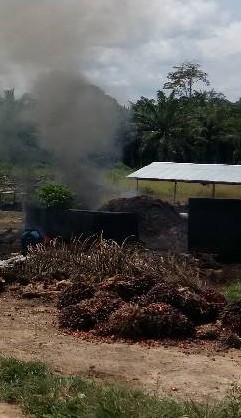
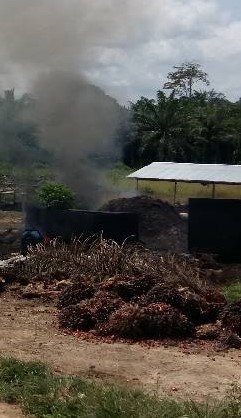
Huge amounts of oil palm waste are produced in oil palm plantations in Ghana. Every day, around 300 tonnes of this waste is produced, and usually it is burned off, thereby worsening climate change. But instead of being burned off, the waste can be used as organic fertilizer on vegetable farms to increase yield and mitigate emissions from uncontrolled burning.
“The vegetable market in Ghana is growing at over 10% per year, with the potential to employ thousands of rural farmers and help alleviate poverty. However, declining soil fertility will make it increasingly difficult to realize this potential without replenishing soil nutrients” Dr. Oppong Danso, explained.
The researchers found that by throwing just 30 kg of the oil palm waste on eggplant fields, they could increase the yield from 60 tonnes per hectare to 140 tonnes per hectare. This was shown at an experiment conducted in the Okumaning village of eastern Ghana.
“This means that farmers can have a better income and livelihood, and at the same time, more jobs will be created right from the farm, through the market, to the dining table," Dr. Oppong Danso emphasized.
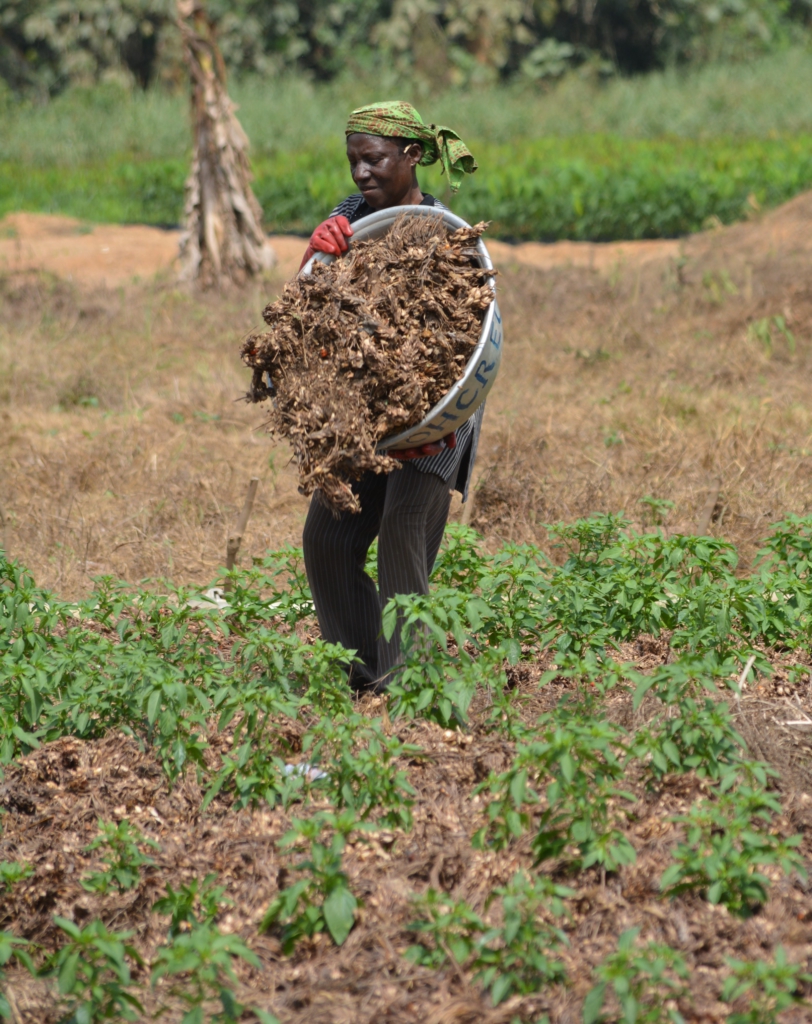
Vegetables have higher nutritional benefits compared with what is present in cassava, maize, and other everyday foods consumed in Ghana, but yields are very low due to low soil quality. By mobilizing Ghana’s largely unused oil palm waste, vegetable yields could be doubled and thereby help fight malnutrition and hunger in Ghana.
Latest Stories
-
Galamsey operator who posed as pastor to defile student jailed 15 years
41 minutes -
Court sentences pub owner, shop attendant for selling expired food, sanitary offences
50 minutes -
Mac Allister ‘sad’ at no Liverpool contract offer
1 hour -
Ghana pays $3.5m to University of Memphis over scholarship debt
1 hour -
Fidelity Bank champions value chain approach to unlock Ghana’s agricultural potential
1 hour -
People don’t remember style of play – GFA Comms Director defends Quieroz appointment
2 hours -
Finance Ministry needs ‘refresher course’ in own records over GES recruitment – Adutwum’s spokesperson
2 hours -
Techiman 24-hour market project on course as Regional Minister inspects work, hails construction quality
2 hours -
Bono East Regional Fire Command engages master artisans in fire safety drive
2 hours -
Hitz FM’s Mr Haglah earns 2026 Ghana Entertainment Awards USA nomination
2 hours -
Accra Turf Club to hit the streets over Race Course demolition
3 hours -
Ashanti GJA launches 2025 regional media awards to celebrate excellence in journalism
3 hours -
From doubt to delight: Prang mother who thought GH¢1m win was a scam now celebrates
3 hours -
Energy Ministry says proposed private sector participation in ECG is not privatisation
3 hours -
Sparrow Studios, OldFilm Productions launch three movies for Ghana at 70
3 hours