

Audio By Carbonatix
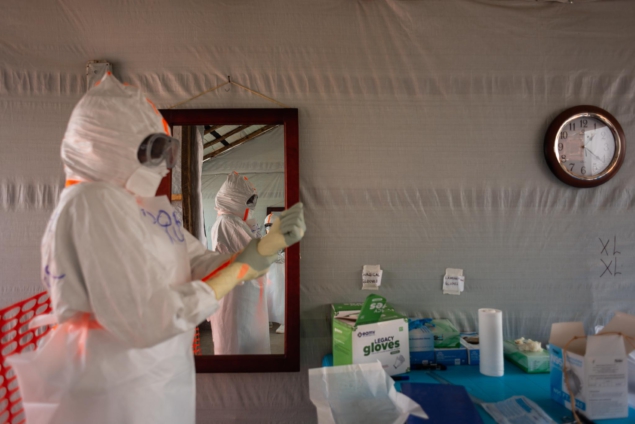
Less than four months after the first case of the Sudan ebolavirus-related Ebola disease was confirmed in the country's central Mubende district on September 20, 2022, health authorities in Uganda declared the outbreak of the disease to be over.
Dr. Jane Ruth Aceng Ocero, the country's minister of health, says that Uganda quickly put an end to the Ebola outbreak by stepping up crucial control measures like surveillance and contact tracing, among other things.
According to Dr. Ocero, efforts were increased to implement a strong response across the nine affected districts, and the key was communities that understood the significance of taking the necessary steps to end the outbreak.
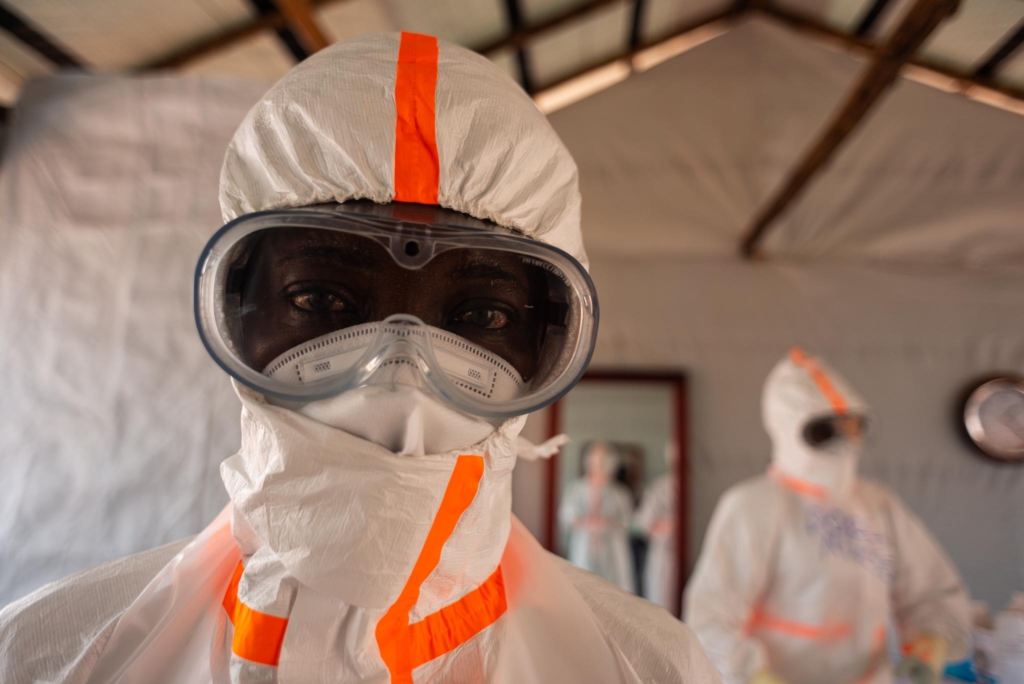
"Uganda put a swift end to the Ebola outbreak by ramping up key control measures such as surveillance, contact tracing and infection, prevention and control. While we expanded our efforts to put a strong response in place across the nine affected districts, the magic bullet has been our communities who understood the importance of doing what was needed to end the outbreak, and took action,” she said.
The Sudan ebolavirus, one of six Ebola virus species for which no approved treatments or vaccines have been developed, was the cause of the Ebola outbreak. However, due to Uganda's extensive experience in dealing with epidemics, the nation was able to quickly strengthen crucial aspects of the response and get around the lack of these essential tools.
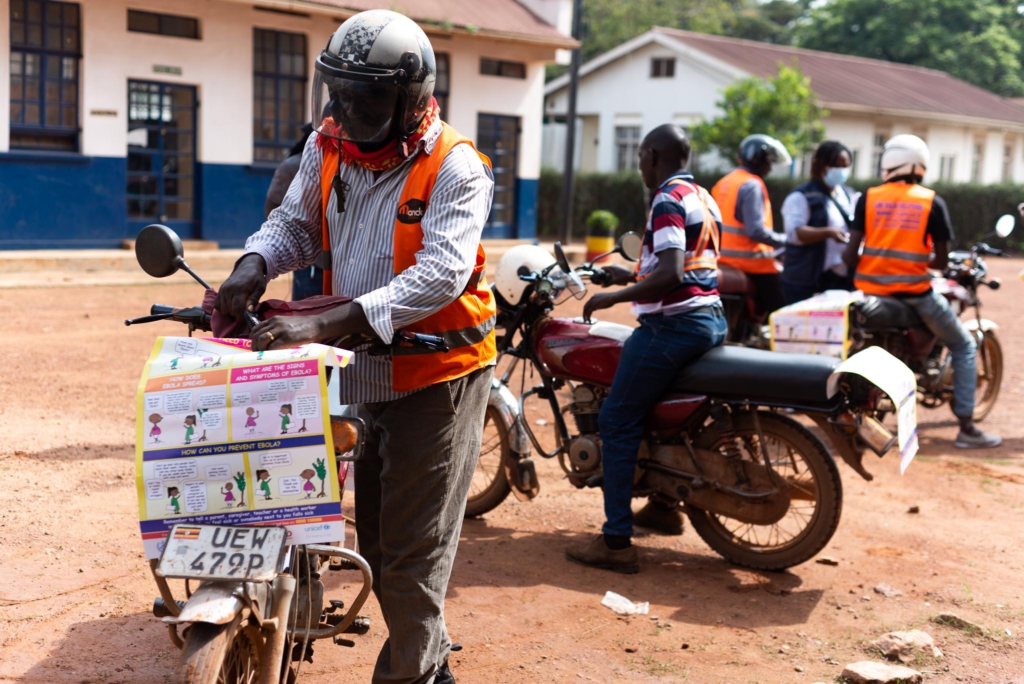
Without vaccines and therapeutics, the outbreak was difficult, but Uganda maintained its course and effectively handled the situation, according to a statement from Dr. Matshidiso Moeti, WHO Regional Director for Africa.
“With no vaccines and therapeutics, this was one of the most challenging Ebola outbreaks in the past five years, but Uganda stayed the course and continuously fine-tuned its response. Two months ago, it looked as if Ebola would cast a dark shadow over the country well into 2023, as the outbreak reached major cities such as Kampala and Jinja, but this win starts off the year on a note of great hope for Africa.”
The WHO collaborated with a wide range of partners, including vaccine developers, researchers, donors, and the Ugandan health authorities, to identify potential therapeutics and vaccines for clinical trials soon after Uganda declared the Sudan ebolavirus outbreak.
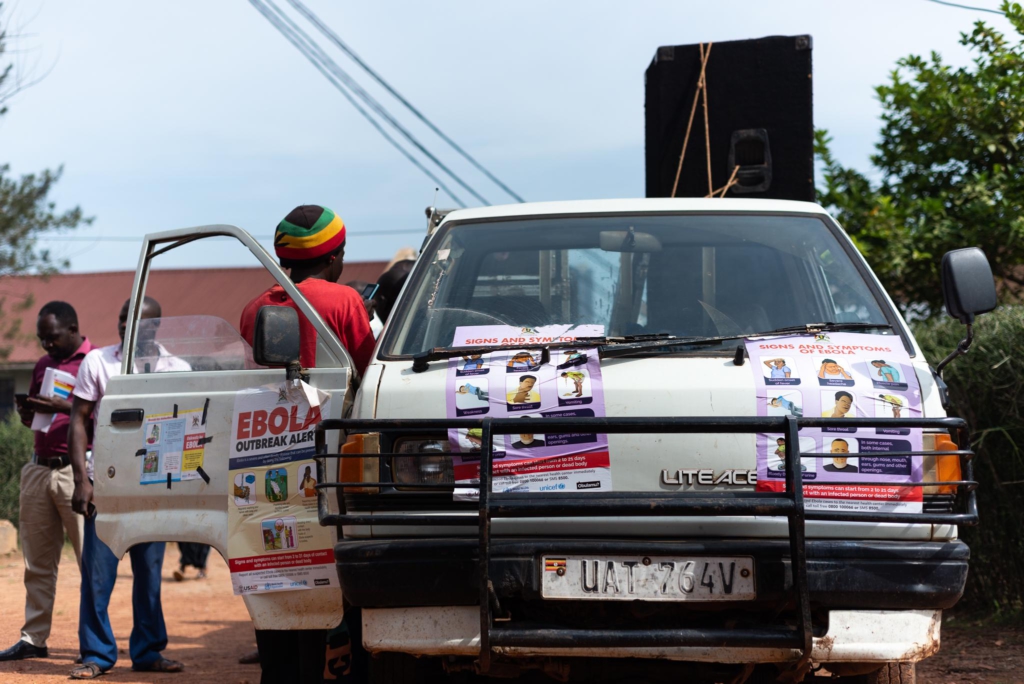
Over 5000 doses of each of the three candidate vaccines were shipped into the nation; the first batch arrived on December 8 and the final two on December 17. The quickness of this cooperation represents a turning point in the ability of the world to respond to rapidly evolving outbreaks and stop them from spreading.
Dr. Tedros Adhanom Ghebreyesus, Director-General of the World Health Organization (WHO), commends Uganda for its effective response and asserts that the WHO's systems put in place to deal with this outbreak will protect Ugandans and others in the coming years.
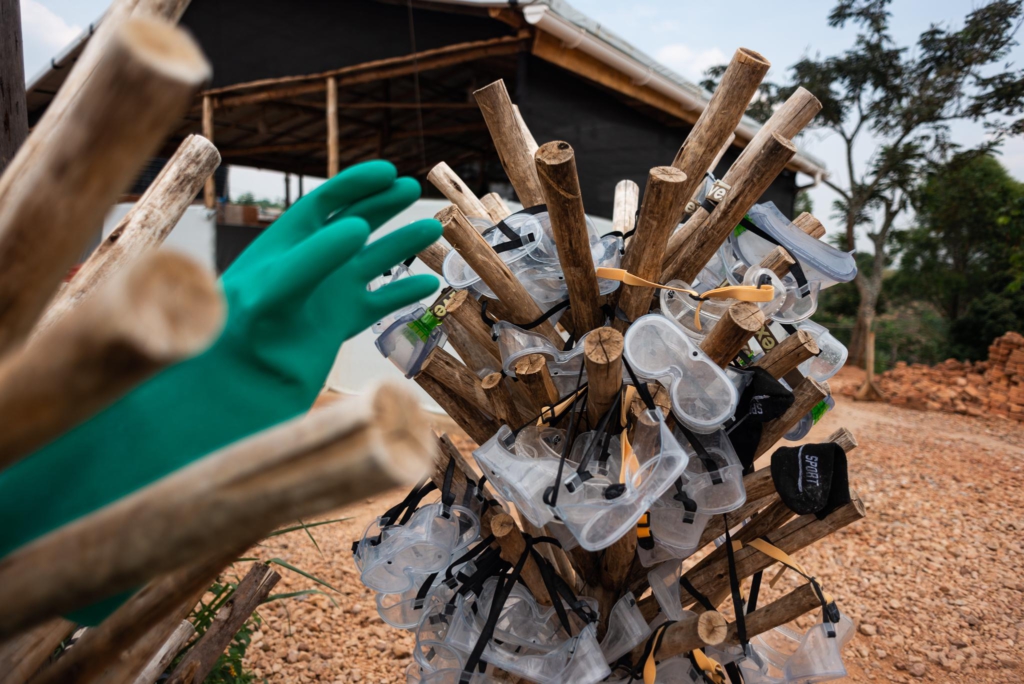
"Uganda has shown that Ebola can be defeated when the whole system works together, from having an alert system in place to finding and caring for people affected and their contacts to gaining the full participation of affected communities in the response,” Dr Ghebreyesus said.
Health authorities are still monitoring the situation to act quickly in the event of any flare-ups even though the outbreak in Uganda has been declared to be over. To help survivors, a follow-up program has been established.
Neighboring countries have been urged to maintain their state of alertness.
Latest Stories
-
From Kantamanto to the TEDx Stage: How waste became innovation
6 seconds -
MMDCEs charged to ensure Landing Beach Committees do not sell premix fuel beyond approved prices
52 minutes -
The Inconvenient Truth: Democracy does not fail in The Chamber, it fails in the Committee Room
1 hour -
There is absolutely nothing wrong with what the Chief Justice said
1 hour -
App launched to help Ghanaians verify prospective partners’ marital status before marriage
2 hours -
‘I have gone through a lot these past 2 days’ – A-Plus reveals after New Winneba violence
2 hours -
DBG takes GH¢2.5bn development funding beyond Accra as it pushes industrial transformation
2 hours -
Vice President Jane Opoku-Agyemang calls for accurate teaching of slavery history in schools
2 hours -
Ghana has duty to preserve slave-trade sites and tell their full story – Vice President
2 hours -
West Africa can be self-sufficient in rice production – John Dumelo
2 hours -
Over 300 arrested over extremist recruitment attempts along northern border – Agalga
2 hours -
Housing Minister seeks shorter construction period for Kaneshie–First Light Road works
2 hours -
Ghana cannot afford complacency over extremist threats – Agalga
2 hours -
African leaders call for decisive investments to deliver a more sustainable food system for the continent
2 hours -
Ahmed Ibrahim orders traffic plan ahead of Pamprom Junction road closure
2 hours