

Audio By Carbonatix
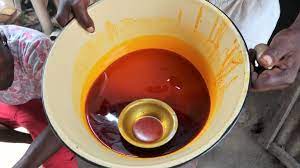
The Eastern Regional Food and Drugs Authority (FDA) has issued a strong warning against the sale of adulterated palm oil; asking consumers to be vigilant when buying the product.
The regulatory body took this firm stance after carrying out inspections in markets and meeting with the Palm Oil Sellers Association in Koforidua, citing potential health risks the product posed to consumers.
Ms Anita Owusu Kuffuor, Head of Eastern Regional FDA, who issued the caution, engaged market women from Koforidua's Central Market, Juaben Serwaah Market, and Agatha Market who normally sell palm oil.
The gathering was aimed at promoting hygienic trading practices for palm oil as well as novel methods to prevent adulteration of palm oil with Sudan (IV) dye and ensure that vendors are selling only safe and genuine products.
This move has been welcomed by many Ghanaians, who have expressed concern about the safety of the food products being sold in the markets.
Consumers rely on the quality and safety of the products they purchase, and the sale of adulterated palm oil can have negative health consequences.
Ms. Kuffour told marketers of palm oil that it was regrettable Sudan (IV) dye, a dangerous chemical that causes cancer, was still found in palm oil samples bought in New Juaben Municipality, attributing such malpractices to insensitivity and greed by market women.
She said the FDA was continuing with its rigorous campaign against the use of dangerous chemicals such as Sudan (IV) dye and that it has started arresting traders whose samples have been examined and failed the test.
She stated that the FDA and Police Service had already detained two market women in connection with Sudan dye adulteration at the Nkurankan and Asamankese markets.
She advised the market women to maintain quality and to examine their products before deciding to purchase them to make traceability of adulterated oil easy.
She also cautioned consumers to refrain from demanding to buy too much coloured palm oil because it is becoming increasingly difficult to find such a colour these days.
She added that the natural beta-carotene content that gives palm oil its red colour was primarily broken down due to the excessive heat used during cooking.
Mrs. Martha Boakye, Queen Mother of the Oil Palm Sellers Association in Koforidua Central Market, told GNA that her outfit was ready to assist in identifying unscrupulous persons involved in the sale and production of adulterated red palm oil.
Latest Stories
-
GAEC must retain nuclear scientists for Ghana’s nuclear ambitions – Minister
20 minutes -
Man reportedly mistaken for game and shot by hunter dead in forest
22 minutes -
19-year-old mason jailed 15 years for defiling seven-year-old pupil
26 minutes -
Ghana’s banking sector assets rise 20.47% to GH¢500.2bn – BoG Governor
31 minutes -
22 injured as Sprinter bus overturns at Sege after tyre burst
32 minutes -
UN housing expert urges Ghana to strengthen Rent Control Department amid housing affordability concerns
40 minutes -
Delta-BCI partnership reaches 166,000 people with breast cancer education
50 minutes -
Power restoration fault suspected in Kumasi Central Market fire
6 hours -
The 7-foot giant of Ngleshie Amanfro: Seven-foot Ghanaian Ephraim Saawa dreams of joining the national basketball team
7 hours -
Government promises support for Kumasi Central Market fire victims
7 hours -
Vibes The Movie: Big Ghun’s Ghanaian film earns five nominations at 2026 REFFA
7 hours -
‘I’m a fulfilled man’—Justice Korbieh on missing out on Supreme Court despite two nominations
7 hours -
MamaCare CEO warns unresolved conflicts among health workers could undermine maternal and neonatal care
8 hours -
Health professionals urged to translate medical knowledge into practice to save mothers
8 hours -
Retired judge Justice Francis Korbieh charges 1,568 new lawyers to uphold integrity
9 hours