

Audio By Carbonatix
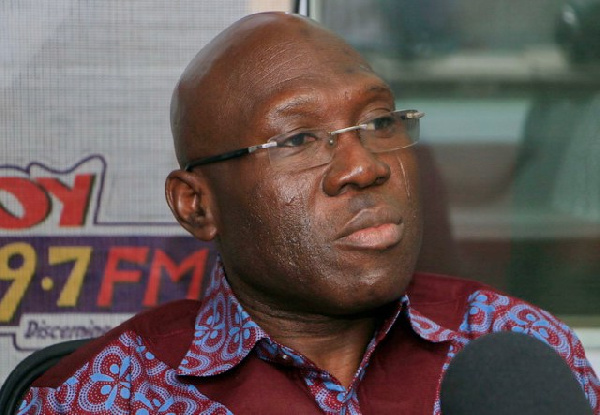
Former Tamale Central MP Inusah Fuseini is advocating the implementation of strict regulations to cap campaign spending as a means to curb vote-buying and monetising elections in the country.
Speaking on JoyNews’ PM Express on Monday, the private legal practitioner emphasised the need to target candidates rather than delegates in efforts to curb corruption during election campaigns.
Drawing attention to the pivotal role played by candidates in the electoral process, he argued that monitoring a smaller group of individuals, such as the 275 MP and presidential hopefuls, would be more feasible and effective compared to monitoring a larger number of delegates.
Mr Fuseini is the latest voice to join many influential and think-tanks that believe that to save Ghana’s democracy, legislation that limits and holds candidates accountable is the efficient strategy.
Proposing a legislative framework to address the issue, the former MP outlined three key components; transparency, financial disclosure, and a cap on money expended on campaigns.
According to him, transparency would require candidates to disclose their campaign expenditures and activities during a specified campaign period.
“And somebody must be there monitoring what the parliamentary candidate or a presidential candidate is doing, and how much a presidential candidate is spending,” he explained.
He also stressed the importance of financial disclosures, including the identification of campaign donors and the transparent handling of campaign funds.
“Who is contributing to the campaign of the candidate? I mean, is he lodging the money in the bank? Is he making the accounts of his campaign funds, available for scrutiny? The legislation must target that.
"I mean you cannot just receive money from a donor and then spend the money. You must first channel the money through subtitles and then you will have the body established to track how you spend the money.”
Lastly, the former MP called for the establishment of spending caps to limit the amount of money candidates could expend during an election cycle.
“You cannot spend more than GH¢100,000 in an election. If you spend more, then you have to answer to where the more is coming from, and that is accountability.
“So there must be laws and when you are caught, you must be punished. The sanctions are there you must be punished and that account must be available for anybody,” he suggested.
The conversation surrounding vote-buying and monetisation of election shot up into the limelight after the MP for Kwadaso, Prof Kingsley Nyarko was captured on camera giving an envelope containing an undisclosed amount of money to some personnel of the Electoral Commission (EC) during the just-ended Ejisu by-election.
Latest Stories
-
Tano North chiefs petition Mahama over galamsey destruction in River Tano
17 minutes -
Kalpohin SHS, NOBISCO qualify to represent Northern Region at National Public Speaking Competition
24 minutes -
Missing records of illegal gold purchases in Ghana raise concern – Duncan-Williams
46 minutes -
Duncan-Williams warns of powerful interests targeting GoldBod
1 hour -
We need to pray for GoldBod – Duncan-Williams
2 hours -
Strong favourites or tougher task – will Arsenal defend their title?
2 hours -
Passengers escape death as VIP travelling from Kumasi to Sunyani catches fire
2 hours -
Ariana Grande leaves problems at home as her tour hits the UK
2 hours -
Multiple suspects at large after five shot at Virginia State University, police say
2 hours -
Three killed as Russia launches fresh aerial attacks across Ukraine
3 hours -
Boxing: John Laryea disqualified in WBA Featherweight title eliminator
3 hours -
Hawaii battles strong winds and rain as Hurricane Lala threat looms
3 hours -
Twelve killed as Polish bus veers off Hungarian motorway
4 hours -
Building Ghana better: Why architects must be at the heart of national development
7 hours -
GMet warns of severe rainstorm across northern Ghana
7 hours