

Audio By Carbonatix
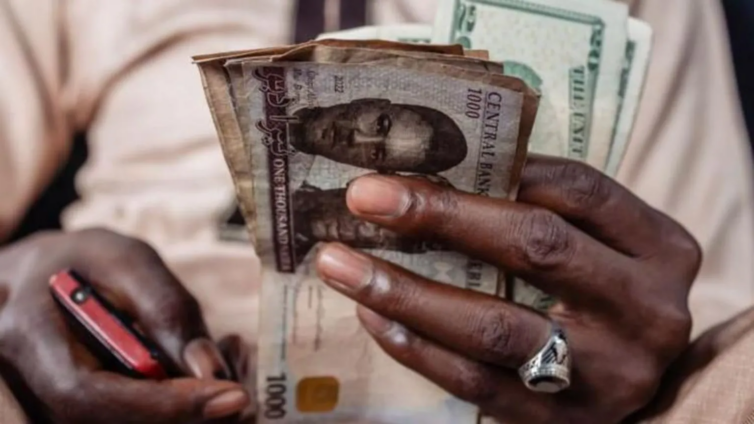
Many Nigerians have condemned the introduction of a new levy on electronic banking transactions, with some saying it will push them back to using cash.
The Central Bank of Nigeria (CBN) has told financial institutions the 0.5% levy intended to raise money to enhance cybersecurity will take effect in two weeks' time.
Nigeria is experiencing its worst economic crisis in a generation and many people say the levy will cause further hardship as they struggle to afford basic items.
Dr Abdulrazaq Fagge, who teaches economics at Yusuf Maitama University, tells the BBC this is a wrong move by the government that will have negative effects on Nigeria’s struggling economy.
“It is not only bad timing but a wrong move altogether as no government should put [an] additional burden on its citizens at a time they are struggling to get by,” he says.
He said it would also hurt small businesses.
"If you transfer a million naira, five thousand naira gets deducted as cybersecurity levy, which is not fair to ordinary persons."
The lecturer says the money should be paid by banks as they make huge profits.
Bread seller Abubakar Sheka says he has already made up his mind to avoid electronic banking transactions by the time the levy starts on 20 May.
“There is no way I will agree to be giving 0.5 per cent on my transfers when I earn very little, many people don't buy bread now and business is fragile.
“Why will this government further make us cry with this despite what we are already going through with high cost of food and fuel?”
The Nigeria Labour Congress, which represents the country’s workers, has released a statement rejecting the levy, while the Socio-Economic Rights and Accountability Project (Serap) lobby group has threatened to sue the government.
The government has not yet commented on the reaction.
Public affairs analyst Habu Sani believes the government has done a huge disservice to its cashless economy drive as more people will be dealing in cash now.
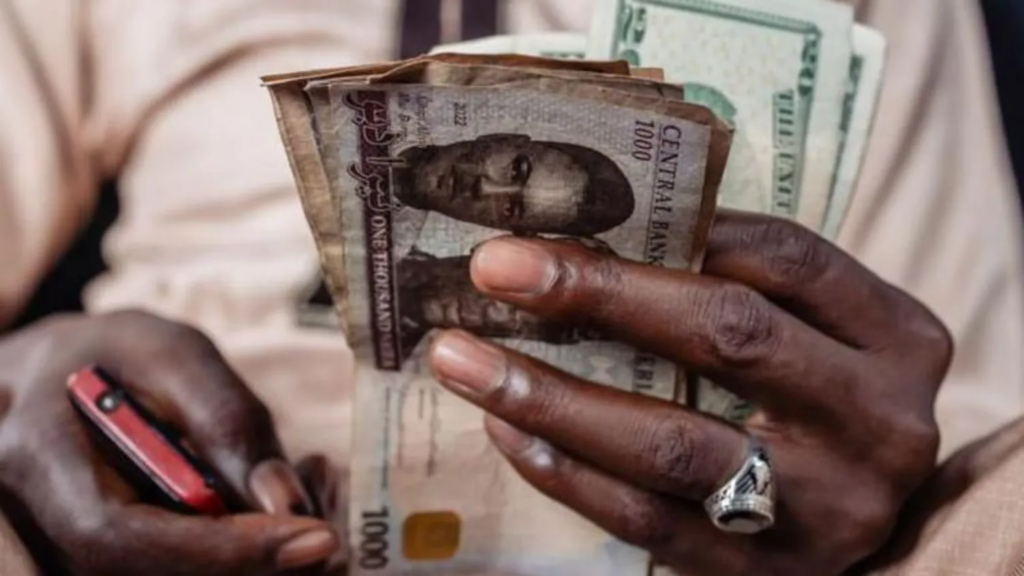
“Government pushed people to be using electronic transfers to reduce printing of cash which takes a toll on government finances and now this will further make people go back to cash to avoid paying the levy.
“I foresee a cash shortage soon if government doesn't reverse its decision.”
There was a major shortage of cash for much of 2023 after the CBN introduced currency reforms intended to cut fraud in last year's election. This pushed many people to start using mobile money.
The shortages only eased at the end of last year.
Only about eight percent of people aged between 16 and 64 have used mobile payment services in 2024. This was an decrease from the previous year.
Digital penetration is low in Nigeria due to the lack of mobile signal in many rural areas, while many people cannot afford smartphones.
Latest Stories
-
‘The first game was weird’ – Sampson reflects on Black Princesses’ Ecuador defeat
41 minutes -
Charles Sampson demands more confidence in front of goal from Black Princesses
47 minutes -
‘We have shaken it up’ – Sampson says Black Princesses ready to redeem themselves
53 minutes -
Herbert Mensah takes Africa’s sports economy case to the UN General Assembly Week in New York
1 hour -
Parrott scores again as Betis beat 10-man Lille
4 hours -
Mbappe goes joint-fifth in the list as real Madrid beat Inter Milan
4 hours -
Police arrest suspects over murder, bank robberies, gold-related attacks
4 hours -
Pragyia rider gets three months prison term for biting Police Assistant
4 hours -
Palm wine tapper jailed for stabbing farmer
5 hours -
Travel and tour agent remanded over GH¢107,000 recruitment scam
5 hours -
Taxi rank executives arrested over alleged attempted murder
5 hours -
Galamsey operator who posed as pastor to defile student jailed 15 years
5 hours -
Court sentences pub owner, shop attendant for selling expired food, sanitary offences
5 hours -
Mac Allister ‘sad’ at no Liverpool contract offer
6 hours -
Ghana pays $3.5m to University of Memphis over scholarship debt
6 hours