

Audio By Carbonatix
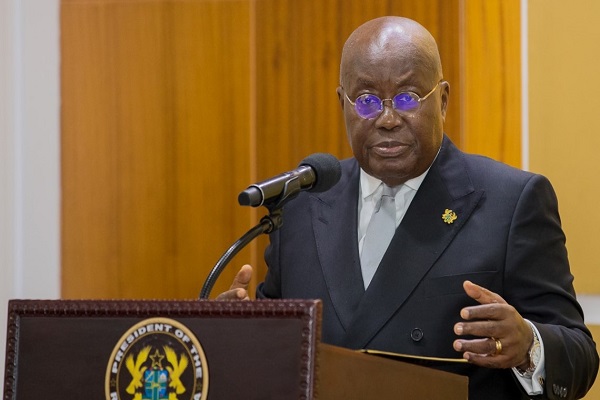
A Governance and Entrepreneurship consultant, Victor Fosu-Boamah, says the President's power to appoint 30 per cent of district assembly members should be taken away and given to the National House of Chiefs.
According to him, successive Presidents have abused the power given to them to appoint assembly members.
He said this needs to be changed if the country is determined to achieve an effective and efficient decentralisation system.
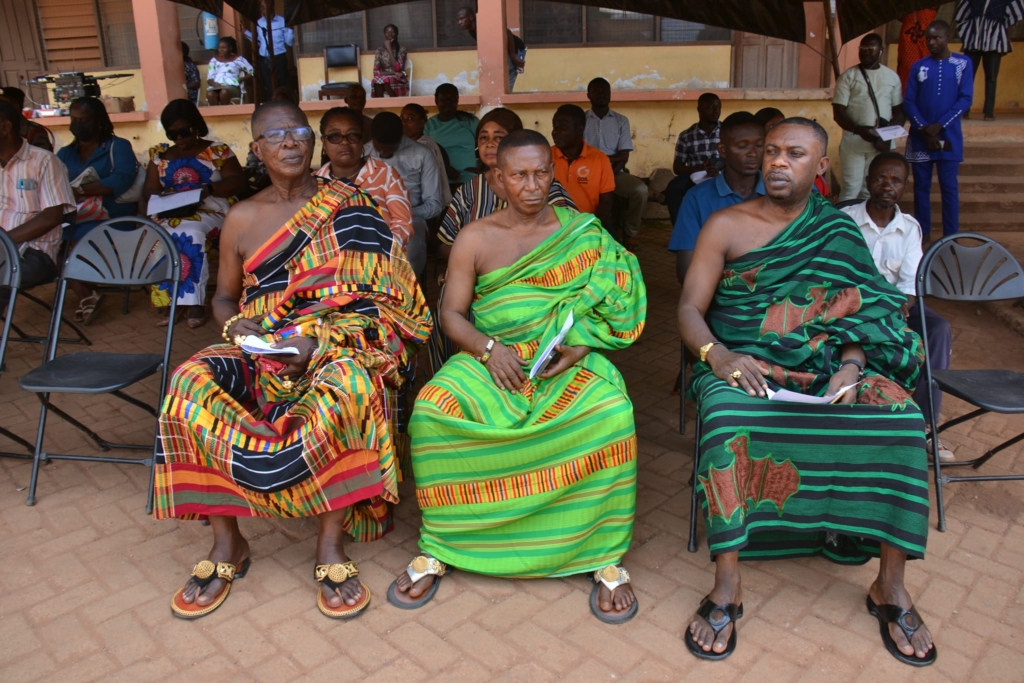
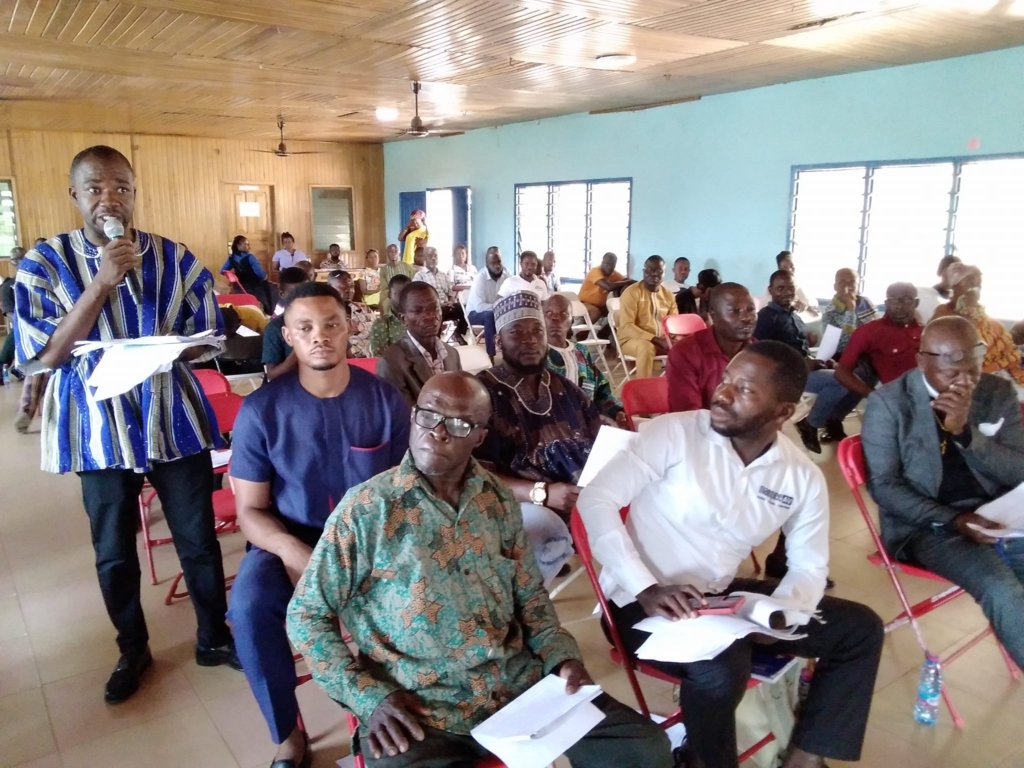
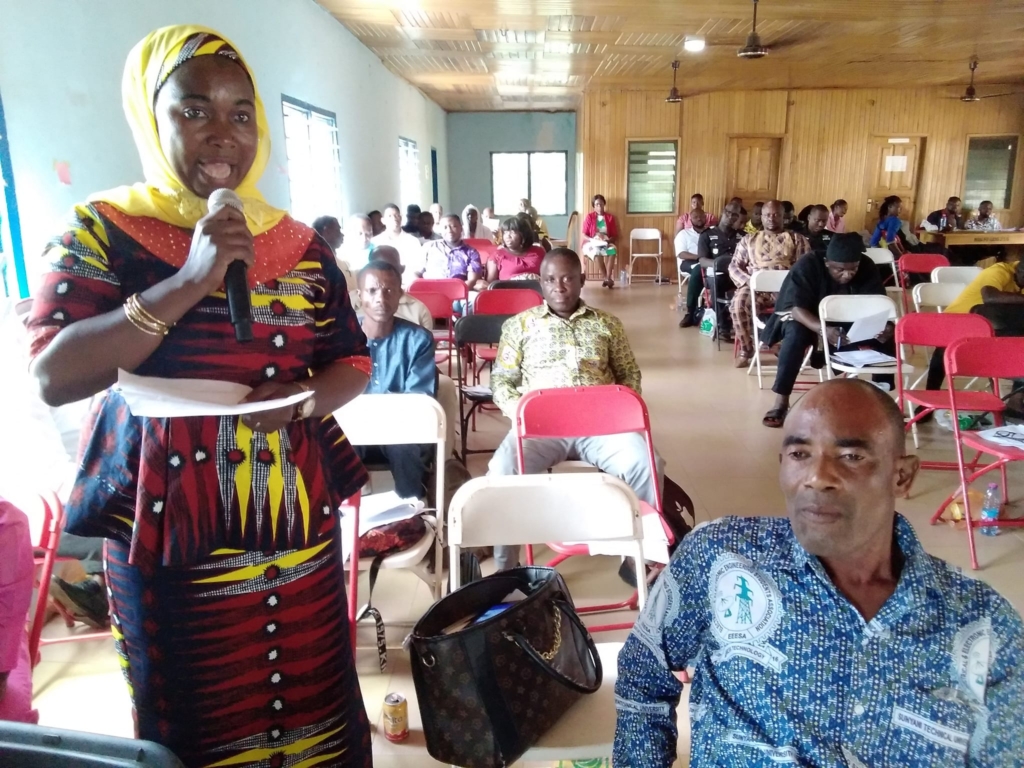
Mr Fosu-Boamah suggested these in an interaction with journalists at a public forum on Ghana's decentralised system in Sunyani.
A consortium of civil society organisations operating within the Bono region organised the forum.
He stated that the power to appoint 30 per cent of assembly members was conferred on the President by the 1992 constitution.
However, political parties in power have used that to reward their members by appointing people who are incompetent to the assemblies.
He cited instances, especially during the reign of the New Patriotic Party (NPP) under President J.A. Kuffuor when such government appointees to the assemblies were sacked or removed en bloc to pave the way for the President to appoint a new set of people only to vote to approve his nominees for the position of District Chief Executive (DCE).
He added that after the approval of the President’s nominee for DCE, the sacked DCEs were re-appointed by the President, which was not helpful to the country's decentralisation process.
Mr Fosu-Boamah recommended that the roles of the Regional Co-ordinating Councils (RCCs), especially in resource allocation, should be revised.
He noted that the responsibilities assigned to and undertaken by the RCCs far outweighed the resources allocated for that purpose.
He said that made it extremely difficult for the RCCs to discharge these assignments, a situation that portrays RCCs as ineffective in performing their functions.
He stated that the passage of the Legislative Instrument (LI) 1961 is significant in the country's local government system.
He added that if the decentralisation system is implemented fully, it will create employment to absorb more unemployed graduates at the district level, which could also bring about a remarkable improvement in the living conditions of the people.
Latest Stories
-
Eric Adjei distributes free fertiliser to farmers in Jaman North
3 minutes -
Akufo-Addo urges NPP factions to unite behind Bawumia for 2028 victory
14 minutes -
NDC mourns Western Regional Elections Director Papa Assan
21 minutes -
Minerals Commission warns against fake job recruitment schemes
28 minutes -
10 recruits dismissed for defying phone ban – Interior Minister
34 minutes -
IEAG commends GoldBod, BoG for improving forex stability
44 minutes -
Bawumia donates GH¢50,000 to St Jude Catholic Church at Weija
51 minutes -
Mahama calls for faster mobilisation of AU Peace Fund resources
56 minutes -
Improved roads bring new vehicle options to Tumu-Bolga, Tumu-Tamale, Tumu-Wa routes
1 hour -
Cedi records 7.9% depreciation against US dollar in first half of 2026
1 hour -
GIS launches operation on anti-human trafficking and exploitative street begging
1 hour -
Awutu-Senya District Assembly organises clean-up ahead of Awubia Festival
1 hour -
Vice President Opoku-Agyemang receives Democracy Cup
2 hours -
Aid group MSF opens new Ebola treatment centre in eastern Congo
2 hours -
Eswatini receives two more third-country deportees from US, government says
2 hours