

Audio By Carbonatix
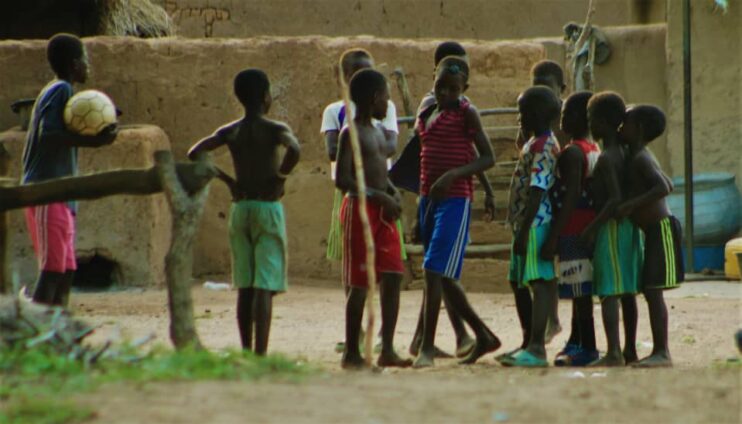
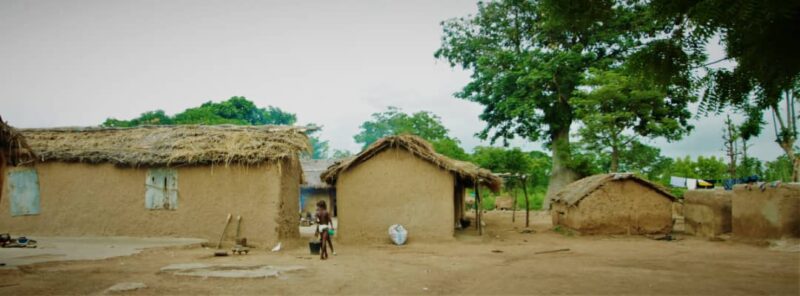
Deep within Ghana’s Northern Region lies Adeɛmbra, a quaint village hidden in the heart of rural beauty. Yet, beneath its serene facade, a dire reality unfolds. Adeɛmbra’s children are starving for knowledge, their dreams dwindling with each passing day.
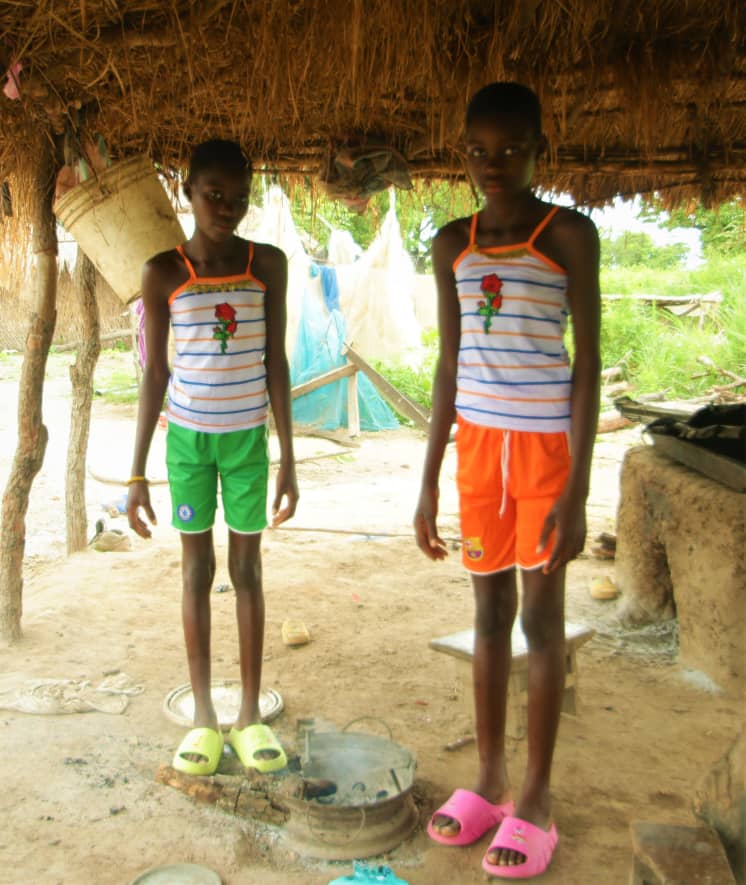
For 12-year-old twins Mary and Martha Dotsagblevor, the world beyond their village seems like an unattainable fantasy.
Their eyes sparkle with ambition, but the harsh truth is that they have never set foot in a classroom. Their hearts ache as they watch fellow villagers, like Simon, Gloria, and Mavis embark on the arduous 2-hour journey to Lonto’s school. Only six children from Adeɛmbra have the privilege of walking the distance to Lonto.
Mavis is one of the children who travel a long distance to school. She says, “My brother Simon and I leave at 6 am and reach school by 8 or 8:30 am. We share a bicycle, but it’s broken now, so we have no choice but to walk since our school doesn’t have a bus to transport us.”
“Why can’t we go to school like others?” Mary asks, her voice trembling in their local dialect.
“We want to become fashion designers, but how can we without education? We see the other children carrying their bags, and it hurts. It’s like they are living a different life.”
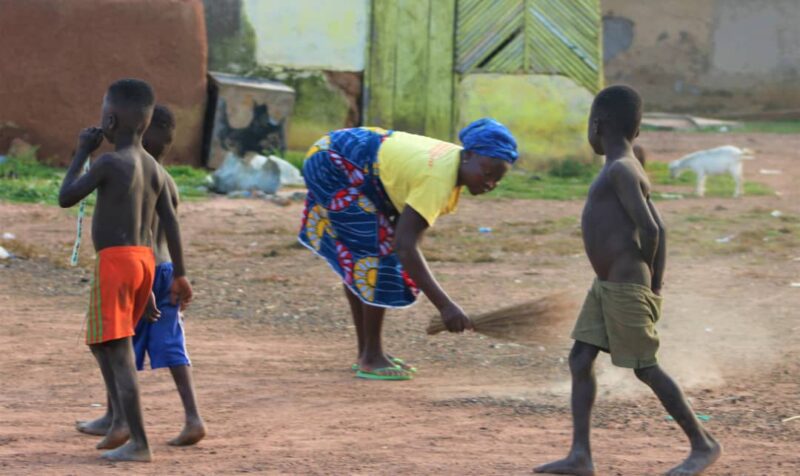
Their parents, Mr. and Mrs. Dotsagblevor share their despair. “It breaks our hearts seeing our children stay home while others learn,” Mrs. Dotsagblevor says, fighting back tears.
“The only means of transport in this village is the Motor King (tricycle) and it doesn’t even pass by for you to board. We don’t also have bicycles and the distance is too far for them to walk. We’re trapped in this cycle of poverty, and it’s suffocating.”
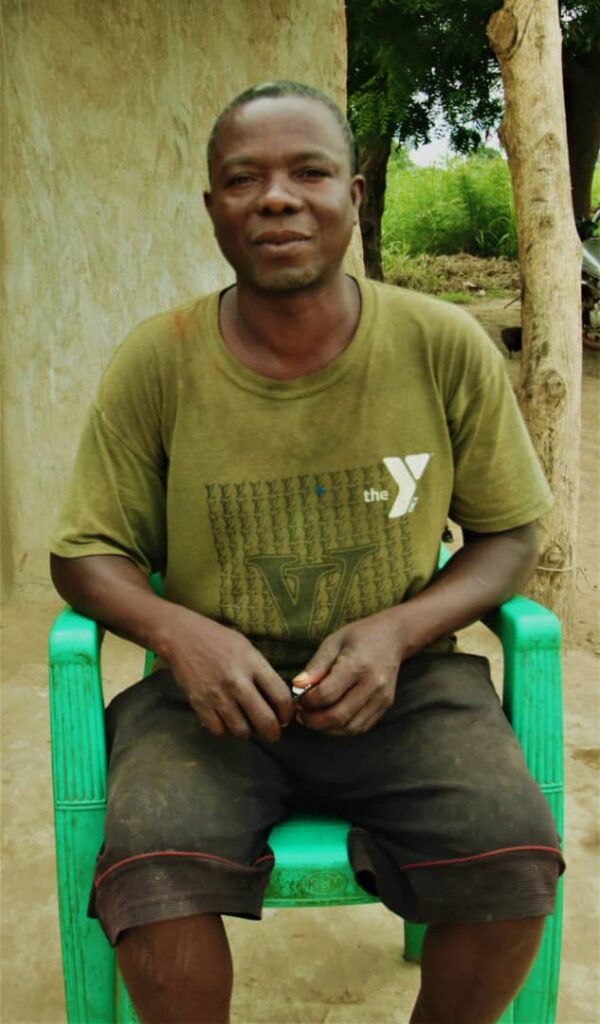
Chief Daniel Naami’s words echo the village’s desperation: “We need a school. Our children’s future is slipping away. I was fortunate to send my children to school because I have a motorbike and bicycle, but what about the others? We’re begging for help. Our children deserve better.”
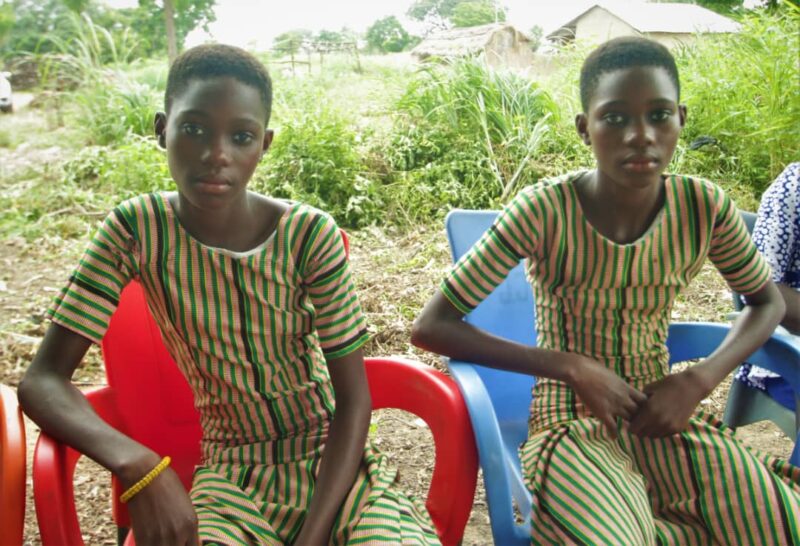
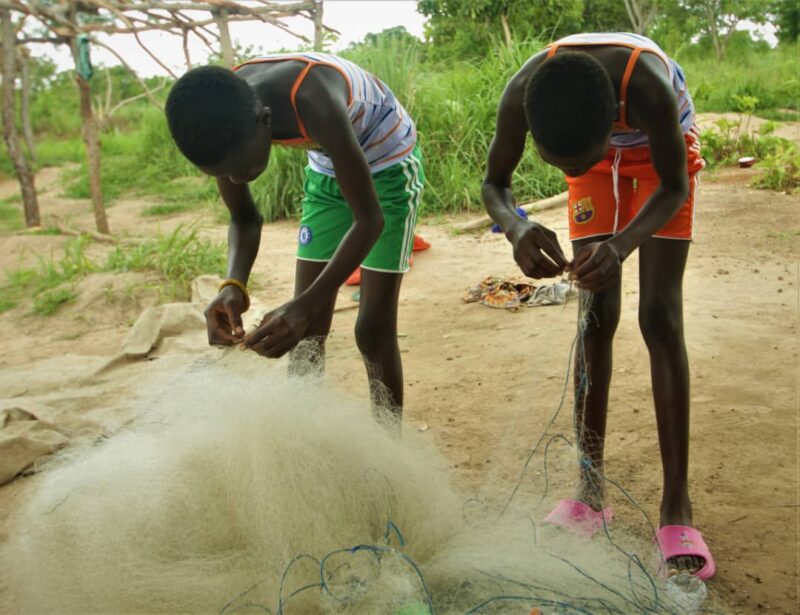
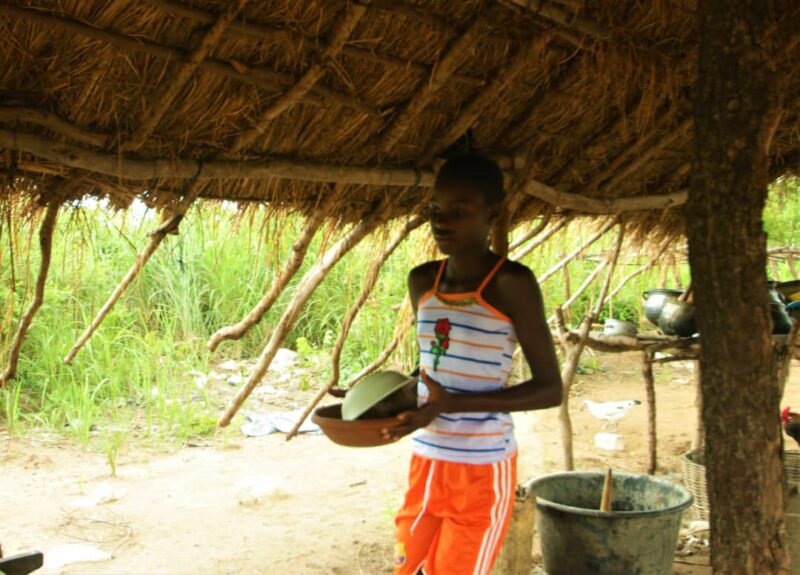
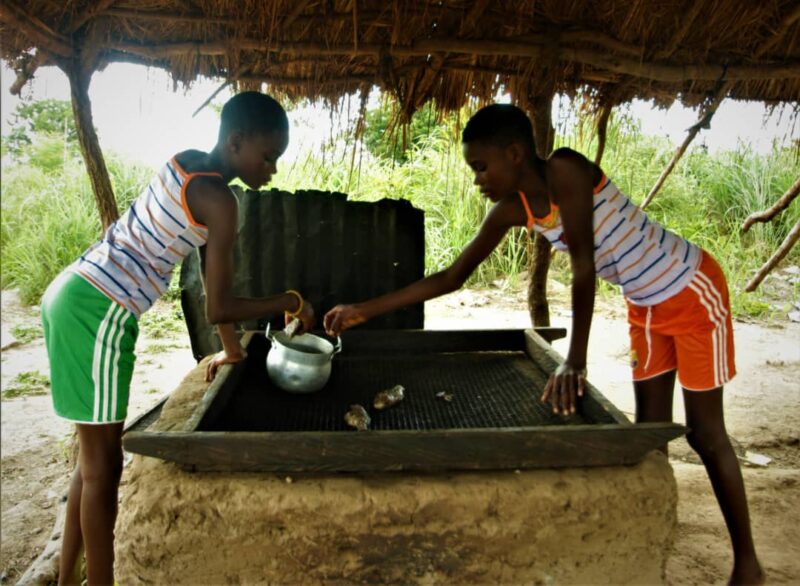
The twins’ daily routine is a stark contrast to the vibrant learning experience they crave. They help their parents with menial tasks – grilling and roasting fish for sale – their minds yearning for knowledge. As the smell of smoked fish wafts through the air, it serves as a constant reminder of the life they are missing.
Gloria Naami, the Chief’s daughter, has taken Mary and Martha under her wing, teaching them basic lessons. “These girls are eager to learn,” Gloria says.
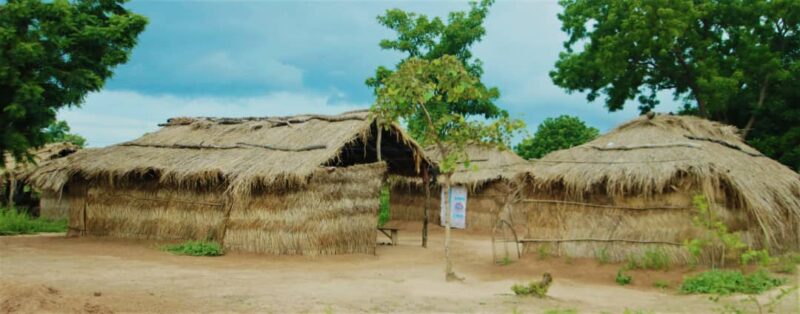
“It’s heartbreaking to see their potential wasted. Sometimes teaching them is a bit challenging as they lack the basic training in formal education. But gradually, they are soaking up every word and every concept. But it’s not enough. They need a proper education.”
“There’s one teacher in the village who has bought books for us and has been teaching us,” Martha said, her voice filled with gratitude.
“The man bought books and pencils for us to study. He teaches us once in a while, but my pencil is broken, so I don’t go there any longer because I don’t have the means to sharpen my pencil,” she added, her tone turning bitter.
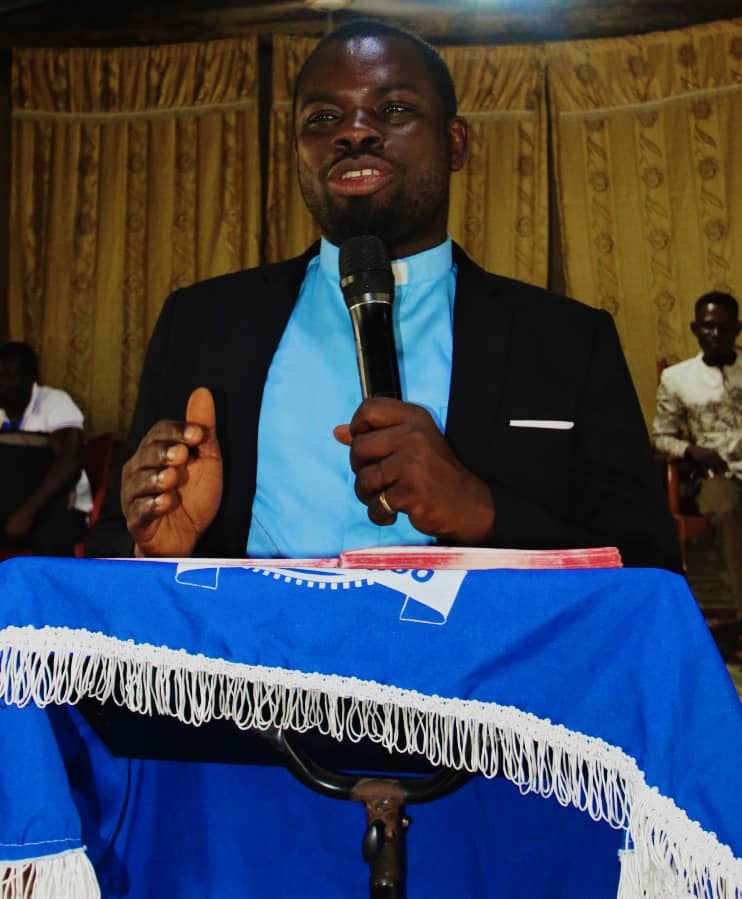
Rev. Gilbert Asante, a Minister at Lonto Presby, through the Chief, has secured land for a school, but funds remain elusive.
“We’ve made progress, but it’s not enough. We need help from individuals, philanthropists, and NGOs to build a six-unit classroom block. The children are counting on us. We can’t let them down.”
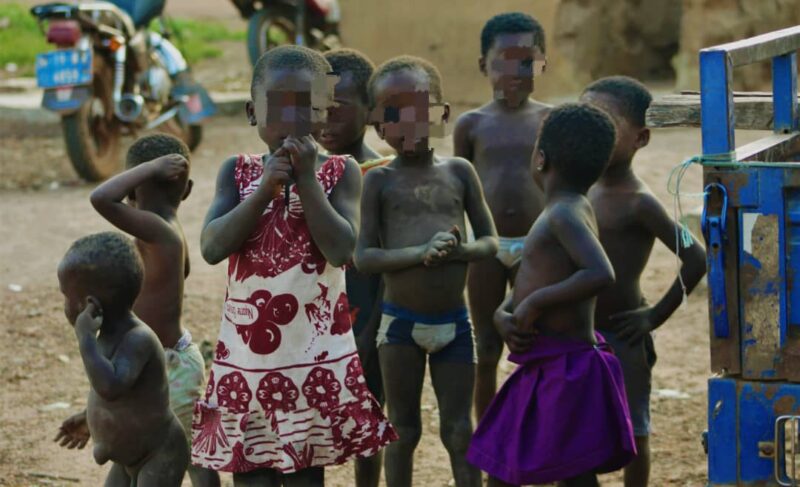
As I walked through Adeɛmbra, I saw the desperation in the villagers’ eyes. Madam Akos, a concerned parent, pleaded, “Please, help us. I have four children, and they have all not set foot in school before, because we have no school in Adeɛmbra and they can’t walk that long distance too. Our children’s future depends on it. We’re not asking for much. Just a chance for them to learn, to grow, and to dream.”
Minomoie, another parent, added, “We’re not just fighting for our children’s education; we’re fighting for our community’s future. Without education, we’re doomed to remain in poverty. The fact that I never attended school doesn’t mean my five children should also suffer to attain knowledge. Our children deserve better. They deserve a chance to break the cycle.”
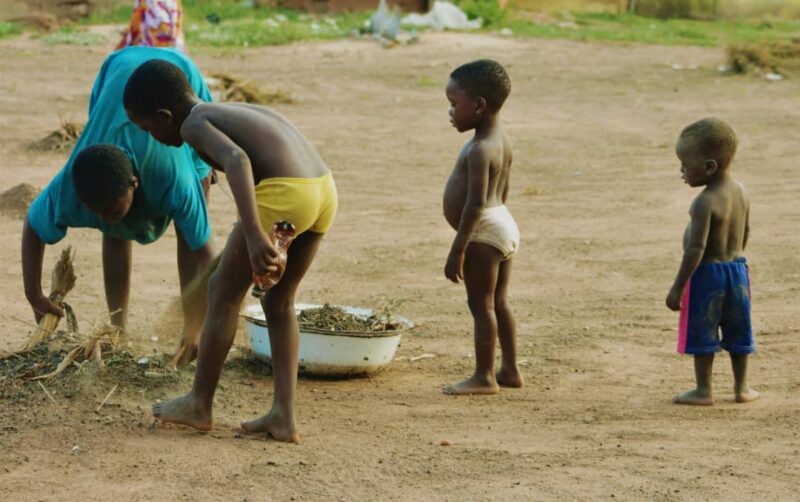
Mary and Martha’s story is Adeɛmbra’s story – a tale of longing, unfulfilled potential, and resilience. Their dreams are not unique, but their circumstances are. They are trapped in a vicious cycle of poverty, with no clear escape.
But there is hope – hope that you can help.
Adeɛmbra’s struggles are real; 95% of children in the village have never attended school. The nearest school is 2 hours away, making it inaccessible for most children.
Adeɛmbra needs a six-unit classroom block with basic educational materials and resources.
Your support can change lives. It can break the cycle of poverty and unlock the futures of Mary, Martha, and countless other children.
Latest Stories
-
Invest with confidence, Ghana’s golden era is beginning – Finance Minister
10 minutes -
Do Ghana to launch The Great Ghana Day Out on World Tourism Day
10 minutes -
Clean up our politics before politics cleans us up
44 minutes -
2025 was a turning point, says Abradu-Otoo as NAFCO posts record GH¢91.7m profit
1 hour -
Today’s front pages: Friday, September 25, 2026
1 hour -
‘FA President has four clubs; what do you think he would do?’ – Nana Baffour Awuah fires back
2 hours -
Kurt Okraku doesn’t like criticism, but Ghana football is beyond him – Nana Baffour Awuah
2 hours -
Ghana’s Liquidity Paradox: Why capital is not reaching productive businesses
2 hours -
Ghana football has collapsed under Kurt Okraku – Manhyia South MP
2 hours -
Mr John Blankson Adu Otu
3 hours -
Prof. D. K. Yeboah-Amankwah
3 hours -
AFCON 2027Q: Queiroz ‘proud’ of Black Stars performance despite defeat to Cote d’Ivoire
3 hours -
Your next home could be here: 3rd JoyNews Republic Bank Habitat Clinic opens at Junction Mall today
3 hours -
GCAA assures safety won’t be sacrificed to attract more airlines
3 hours -
AFCON 2027Q: Queiroz furious with ‘joke’ penalty awarded Cote d’Ivoire in Black Stars defeat
3 hours