

Audio By Carbonatix
In the complex and high-stakes world of African politics, one question has generated heated debate across the continent: should politicians be required to disclose their health status before assuming office? While transparency is a pillar of democracy, many African leaders have kept their medical conditions private, often secretly flying abroad for health checkups to avoid media scrutiny and public concern. This debate touches on issues of leadership integrity, public trust, and the capacity of local health systems.
The reluctance of African politicians to disclose their health status is not new. Many leaders, both past and present, have shielded their health issues from public view. This secrecy often leads to speculation, controversy, and, in some cases, national instability.
One classical example is Nigeria’s former president, Umaru Musa Yar’Adua, who was elected in 2007. Throughout his presidency, his health remained a closely guarded secret, despite public concern about his prolonged absences and inability to carry out his duties. Yar’Adua’s death in 2010 led to a constitutional crisis, sparking debates on the importance of a president’s fitness to govern.
Similarly, Zimbabwe’s Robert Mugabe, who ruled for nearly four decades, was known to fly regularly to Singapore for medical treatments. Despite his advanced age and declining health, Mugabe remained secretive about his medical condition. This secrecy fueled rumours and led to questions about his ability to lead effectively, especially as his presidency continued into his 90s.
Even among living leaders, the trend persists. Cameroon’s Paul Biya, one of Africa’s longest-serving presidents, is another example. Often referred to as an “absentee leader” due to his frequent trips to Europe for medical treatment, Biya’s health has long been a subject of speculation. Yet, like many others, he has refused to make his health status public.
A key argument against the mandatory disclosure of a politician’s health status is that it might be perceived as a sign of weakness. In a continent where political power is often equated with strength and authority, revealing a health condition could be seen as diminishing a leader’s image. This fear of vulnerability likely explains why many African leaders choose to keep their medical information private.
However, critics argue that transparency about health is not a sign of weakness, but of accountability. In Western democracies, leaders such as U.S. presidents and U.K. prime ministers have regularly disclosed their health status. The argument is that public officeholders, particularly those at the highest levels of government, have a responsibility to their citizens to be open about their ability to perform their duties. This, according to proponents of disclosure, strengthens trust between the leaders and the people.
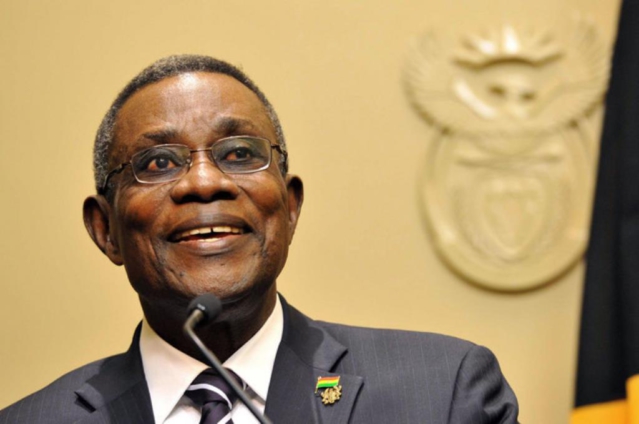
In Ghana, the death of President John Evans Atta Mills in 2012 brought this debate into sharp focus. President Mills’ health was the subject of widespread speculation for years before his untimely death in office. Despite persistent rumours about his medical condition, official details were scarce, and even after his passing, the debate over whether the details of his autopsy should be made public remains unresolved.
Mills’ death raised critical questions: should the public have been made aware of his condition? Could transparency have averted the shock and uncertainty that followed his passing? This case demonstrates the need for a broader discussion about the health of political leaders and their responsibilities toward the electorate.
One of the most telling aspects of African politicians seeking medical treatment abroad is the implicit lack of trust in local health systems. Many African nations face significant challenges in their healthcare sectors, including inadequate infrastructure, shortages of medical personnel, and limited access to advanced treatments. This often forces even the most senior leaders to fly abroad for checkups and treatments that their own countries’ health systems cannot provide.
This practice raises several concerns. If the very leaders responsible for improving national health systems do not trust those systems enough to use them, what does that say about their commitment to developing healthcare for their citizens? Moreover, if leaders used local facilities, their presence could help highlight and prioritise the development of better healthcare services for all.
The debate on whether African politicians should declare their health status is far from settled. On one hand, transparency about a leader’s health could foster trust, ensure continuity of governance, and prevent unnecessary speculation. On the other hand, the fear of political vulnerability continues to keep such matters in the shadows.
The question remains: how can leaders inspire confidence in their ability to govern if they are unwilling to be transparent about their health? As African nations strive toward better governance and democratic accountability, perhaps it is time for a shift in norms regarding health disclosure. At the same time, improving the capacity of local healthcare systems would benefit not only ordinary citizens but also the politicians who govern them.
The case of former President J.E.A. Mills in Ghana and the unresolved questions surrounding his death offers a powerful reminder that the health of those at the highest levels of government is not merely a personal matter but one that can have far-reaching national consequences.
Latest Stories
-
Unchecked imports and the Middle East crisis threaten Ghana’s fragile food inflation anchor
17 minutes -
Ecobank Junior Saver Big Pitch to reward 10 winners with GH¢2,000 each
21 minutes -
AMA demolishes unauthorised pigsty obstructing Agbogbloshie waste evacuation exercise
22 minutes -
I was filled with disbelief – Akosua Achia Sarpong Esq. shares her first reaction
22 minutes -
Snake Village: A look at Volta Region’s hidden snake village and its tourism potential (Video)
30 minutes -
Election Watch Ghana calls for constitutional reforms to strengthen Electoral Commission independence
32 minutes -
NACOC, Postal and Courier Services Regulatory Commission intensify efforts to curb drug trafficking
34 minutes -
Ga Mantse chairs committee to drive Accra Green and Clean City Initiative
35 minutes -
Drivers threaten to remove traders from lorry stations over TrafficTech concerns
38 minutes -
AI could create 10 to 20 times more jobs despite current recruitment slowdown – Hubtel CEO
41 minutes -
Sexual abuse in schools persists because perpetrators are not held accountable – Dr Nyarkoa
48 minutes -
Chief Justice has designated Achimota Court to handle petroleum diversion cases – NPA CEO
51 minutes -
Philip Nai and friends gear up for bigger seventh Christmas outreach
53 minutes -
GSA strengthens electricity meter testing to protect consumers and improve energy reliability
53 minutes -
‘Dismissed or suspended? Ghanaians deserve clarity’ – NPP demands clarity on Ampofo Ankrah’s fate
57 minutes