

Audio By Carbonatix
Cost of transportation dominated the factors that pushed inflation above 20 percent in 2024.
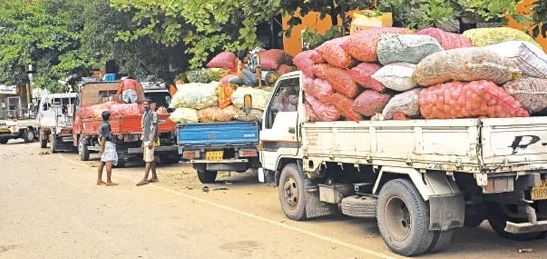
This, according to the Ghana Statistical Service contributed to food inflation going up due to the high cost of transporting foodstuffs from the farmgate to consumers.
Speaking to Journalists at a workshop to review the consumer price index variables, Data Scientist at the Ghana Statistical Service Simon Tichutab called for a multi stakeholder approach to address the high cost of transporting foodstuffs to the markets.
He stated for example that moving tubers such as yam and cassava from the middle belt of the country to markets in the southern part led to astronomical price increases. The cost, he lamented is always passed on to consumers, leading to food inflation going up.
“If you look at the items, fuel, bus and trotro fares ranked about 70 times in the top fifteen of the 72 data points that we have and a lot of the food items like unprocessed food including yam, fresh tomatoes and other farm produce”, he said.
Describing the situation as a major hurdle that must be addressed, Mr. Tichutab advocated a policy shift to resolve the issue.
“It is a multifaceted challenge and if you ask my view I think if we really want to tackle inflation then we have to look at our food basket and its inflation rates”.
He pointed out that the trend has continued for some years, indicating a pattern that affect food prices.
“Every year, bus and trotro fare is ranked more than necessary which impacts on the prices. We need to check the gap between the market and farmgate and through a stakeholder conversation, there could be a broader approach in dealing with it”, he said.
The Ghana Statistical Service made the disclosure at a stakeholder engagement to review of the 2024 trends of consumer price indices and items driving inflation in Ghana.
The objective of the engagement was to foster a collaborative dialogue among key stakeholders, including government officials and the media on consumer price inflation.
According to the Ghana Statistical Services, the engagement is important to help have a better approach in calculating the inflation rate.
The meeting also highlighted the importance of understanding the complex factors contributing to consumer price inflation which engendered discussion on the development of comprehensive strategies to address the issues. In addition, it focused on key consumable items that have influenced the upward trends in the rate of inflation in Ghana.
The items consistently recording the highest price changes constitute almost a third of average household expenditure.
Latest Stories
-
Mahama’s proposed airline looks to South America, Caribbean as Ghana confronts mounting drug trafficking cases
6 minutes -
5% progress on Suame Interchange Phase One inadequate – Roads Minister tasks contractor to speed up work
8 minutes -
Photos: Vice President joins GAAS Awards to celebrate outstanding women leaders
9 minutes -
OSP vs Ken Ofori-Atta, SML and others: Court gives OSP four more weeks to serve Ofori-Atta with summons
11 minutes -
High Commission sends caution to Ghanaians in South Africa ahead of planned protests
14 minutes -
Okai Mintah outlines vision for NDC Youth Wing as he engages MMDCEs
19 minutes -
Mahama Ayariga leads renewed push for stronger local governance through partnerships
23 minutes -
NDC youth organiser aspirant Okai Mintah consults MMDCEs ahead of elections
24 minutes -
PHOTOS: Ayikuma Methodist Basic School wins National Juniors Challenge
26 minutes -
Silence has entered our homes : Salomey Awiti Bafoh and the chilling effect of free expression in Ghana
27 minutes -
UG Pro-VC calls for stronger research funding to curb brain drain
29 minutes -
Woman in critical condition after shooting at funeral grounds in Yeji
31 minutes -
Breast Cancer awareness must lead to action – Deputy Health Minister
34 minutes -
UK identified as leading destination for Ghana’s illicit cannabis exports – Report
36 minutes -
Drug money allegedly finances Ghana’s political parties and real estate – Global Organised Crime Index
41 minutes