

Audio By Carbonatix
The Ministry of Energy and Green Transition has launched a two-day National Clean Cooking Policy and Strategy Workshop to tackle public health concerns and environmental degradation.
The event brings together a diverse group of stakeholders, including policy experts, industry leaders, and development partners, marking a significant step in Ghana's efforts to promote clean cooking solutions.
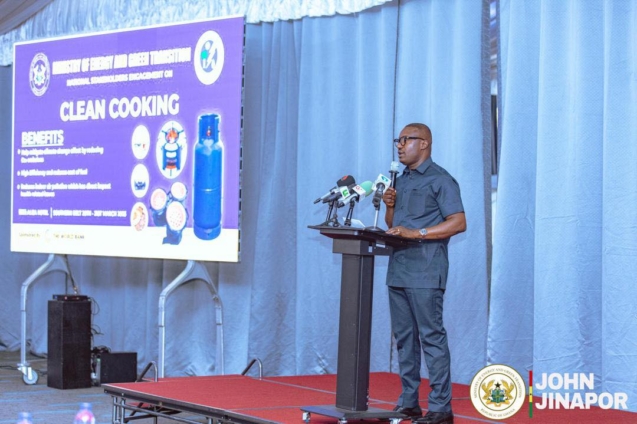
Delivering the keynote address, Minister for Energy and Green Transition, John Abdulai Jinapor, highlighted the substantial challenges of household cooking in Ghana, where nearly 60% of the population relies on traditional solid fuels such as charcoal and firewood.
He noted that this dependence leads to approximately 6,500 deaths annually due to household air pollution, with children under five being particularly vulnerable.
He stressed the socio-economic toll of inefficient cooking methods, particularly on women and children, who face the burdens of fuel collection and health risks.
To address these issues, the Ministry introduced the proposed National Clean Cooking Policy (NCCP), which aims to establish a structured framework for promoting clean cooking solutions across the country.
The policy will support a diversified clean cooking energy mix, including Liquefied Petroleum Gas (LPG), electric stoves, biogas, and improved biomass cookstoves.
Mr Jinapor explained that the NCCP would provide regulatory and fiscal incentives to boost investment in the sector and support local industry development to ensure the affordability and availability of clean cooking technologies.
He also emphasised the need for public awareness campaigns to drive behavioural change toward cleaner cooking solutions.
The Minister further announced the revision of the National Clean Cooking Strategy (NCCS) and the accompanying Investment Prospectus (IP), which will outline a clear roadmap for implementation.
These documents will define stakeholder roles, responsibilities, and the financial resources required to scale up clean cooking adoption.
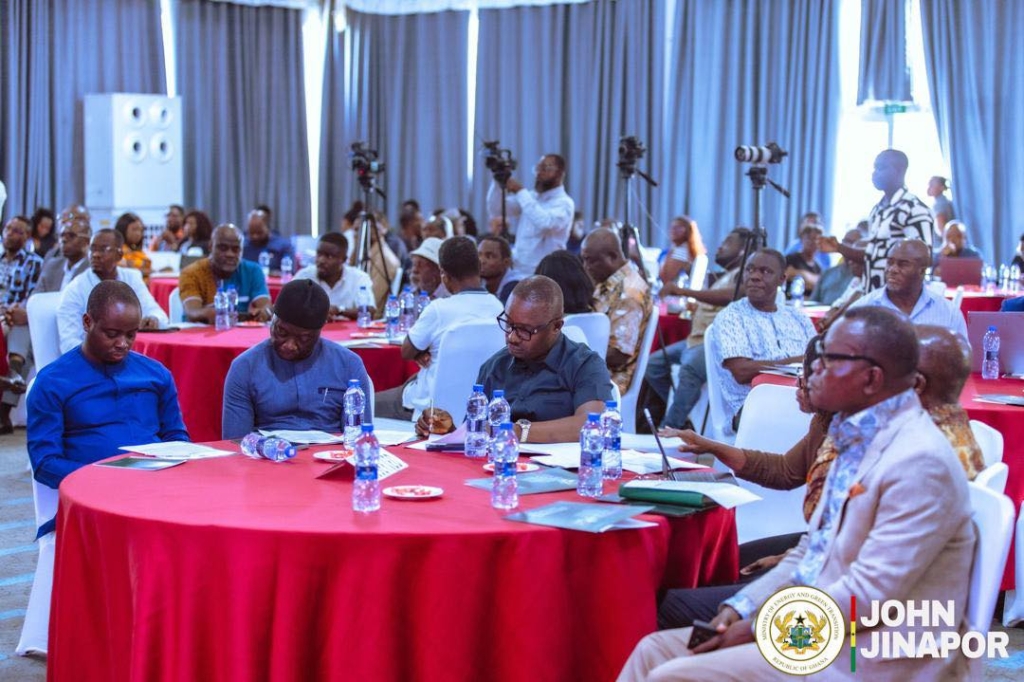
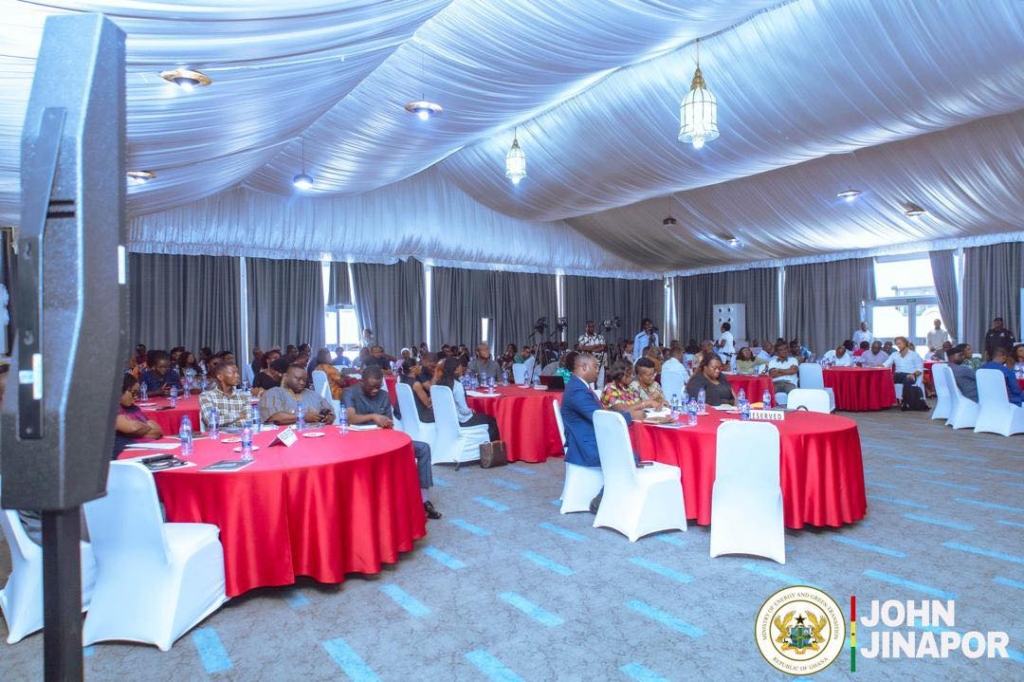
He urged participants at the workshop to engage in meaningful discussions and offer innovative solutions that move Ghana from policy formulation to tangible action.
"Achieving universal access to clean cooking is not solely the responsibility of the government; it requires a collaborative, multi-stakeholder approach," he stated.
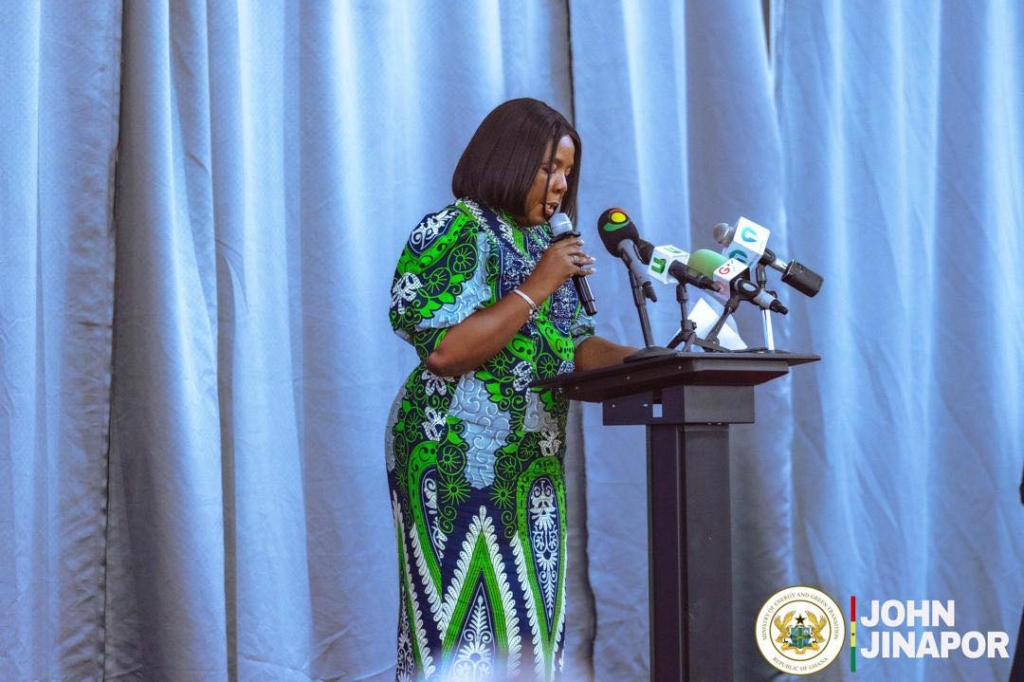
Chief Director of the Ministry of Energy and Green Transition, Wilhelmina Asamoah, welcomed participants and underscored the workshop’s focus on inclusiveness and addressing local realities.
"This workshop provides a platform for open dialogue, knowledge sharing, and strategic collaboration over the next two days," she said.
She noted that this engagement is the first of three planned regional workshops, gathering insights from representatives across Ghana’s southern, middle, and northern regions.
Expressing appreciation to the World Bank for its ongoing support of Ghana’s clean cooking agenda, she acknowledged its critical role in advancing key policy initiatives.
Participants were encouraged to contribute actively to discussions and work collectively towards a cleaner and more sustainable future.
Latest Stories
-
SOEs must hold AGMs, not just submit audited accounts – Deloitte Partner
5 minutes -
There are errors in SIGA report that affected its conclusions – Miracles Aboagye
18 minutes -
Joy FM Back-to-School Fair gains momentum as Day 2 gets underway
32 minutes -
Bright Simons fires back, rejects claims he used AI to critique SIGA report
42 minutes -
SIGA did not conjure or manufacture figures – Prof Kpessa-Whyte
1 hour -
Government just put a spin on SIGA report – Miracles Aboagye
1 hour -
Gideon Boako: Cocoa farmers deserve better support
1 hour -
Big Chef Season 5: Two contestants face exit in Jollof Challenge
2 hours -
SIGA’s ‘massive turnaround’ claim not borne out by data – Bright Simons
2 hours -
Nhyiaeso Chief assures support to end encroachment on utility corridors in Kumasi
2 hours -
Two lorry station masters arrested over alleged plot to kill creditor over ₵91k debt
2 hours -
SIGA’s claim on highest audited proportion inaccurate – Bright Simons
2 hours -
Money bouquets, spraying and dancing on cash unlawful – BoG warns
3 hours -
Sam George pushes for nationwide 4G upgrade of rural telephony sites
3 hours -
Local Government Ministry to support MMDAs to deliver gov’t agenda
3 hours