

Audio By Carbonatix
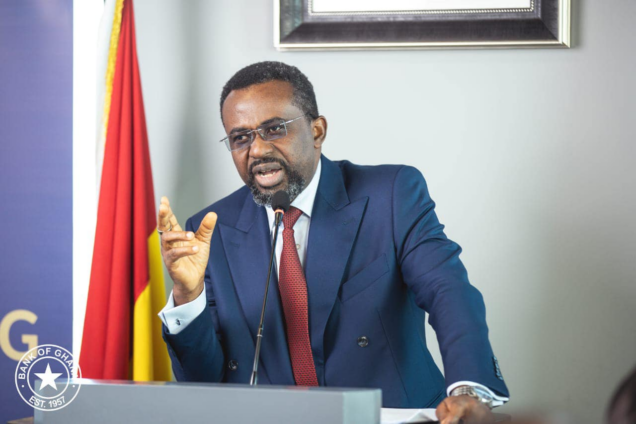
The Governor of the Bank of Ghana, Dr. Johnson Asiama, is urging the International Monetary Fund to ensure that the debt sustainability framework remains fit for purpose and effectively captures the unique vulnerabilities of developing countries, including climate-related debt risks and new debt instruments.
He believes strengthening the debt sustainability framework to proactively prevent unsustainable debt accumulation without unduly limiting access to the much-needed development assistance is essential.
Speaking on behalf of African Governors at the 2025 African Consultative Meeting at the ongoing IMF/World Bank Spring meetings in Washington, DC, Dr. Asiama said refining the IMF’s debt sustainability toolkit is critical in this regard, adding, “We urge the IMF to enhance its risk assessment tools and early warning systems to timely identify potential debt sustainability issues. We expect the ongoing review of LIC DSA to take stock of shortcomings and address them”.
He continued that the IMF should continue to lead debt restructuring and debt relief efforts.
“While we appreciate the Global Sovereign Debt Roundtable (GSDR) and G20 Common Framework’s work, the ongoing high debt vulnerabilities in developing countries, especially in Africa, call for a more comprehensive debt relief strategy. Streamlining processes, enhancing debt transparency and reporting, and incentivizing private creditor participation in the Common Framework are crucial for fostering confidence and encouraging early engagement from members”, he pointed out.
Additionally, Dr. Asiama alluded that Multilateral Development Banks’ significant exposure to debt-vulnerable countries necessitates deeper discussions on fairer debt treatment across different creditors and additional financing support.
He therefore called on the IMF to use its convening powers to drive this dialogue at the GSDR.
He concluded that enhancing policy coordination among international financial institutions (IFIs) is essential, urging the IMF, other IFIs, and regional bodies to better coordinate and align their financial and technical support to developing countries, considering diverse needs and capacities.
“Promoting regional cooperation to address common challenges and capitalize on collective strengths are paramount. Given the debt vulnerabilities exacerbated by climate change, we call for enhanced collaborative efforts. This includes proposing ambitious yet achievable and monitorable concessional financing options, establishing joint financing mechanisms, and developing common policy frameworks”, he mentioned.
Half of SSA at High Risk or Already in Debt Distress
Meanwhile, half of Sub-Saharan African countries are at high risk of, or already in debt distress at the end of 2024.
This severely constrains fiscal space for essential social and development spending, and hinders progress towards achieving the SDGs.
Dr. Asiama the most concerning is that per capita public expenditure on interest payments in Africa which has surpassed spending on health and education, exacerbated by declining overseas development assistance.
He however, stated that African Governors are committed to proactive debt management, enhancing revenue mobilisation, and rationalising expenditures to restore fiscal and debt sustainability, while implementing policies to promote durable economic growth.
But these efforts require stepped-up international cooperation and support from development partners, including the IMF.
The theme for the occasion was “Debt vulnerabilities in Developing Countries—a Key Challenge for Achieving the Sustainable Development Goals (SDGs)”.
Latest Stories
-
Ghana’s mining deaths fall sharply, but Chamber insists ‘three deaths are too many’
3 minutes -
Tatale Sanguli officials destroy expired food products, warn traders
9 minutes -
Police arrest two watchmen over alleged defilement of 14-year-old student
15 minutes -
The woman behind General Mosquito: Could Ghana be meeting its next First Lady?
16 minutes -
Court remands man over alleged Labone bank robbery attempt
20 minutes -
Supreme Court to rule today on challenge to legal vacation warrants
26 minutes -
Tamale Metropolitan Assembly distributes 10,000 bags of fertiliser to farmers
31 minutes -
TUSAAG suspends strike, resumes work after renewed talks with government
35 minutes -
PIAC marks 15 years of oil revenue accountability and transparency
42 minutes -
Adongo calls for non-political interference in $1.46bn Heritage Fund review
47 minutes -
FDA records GH¢70m surplus in 2025 amid concerns over ageing lab equipment
49 minutes -
Arise Ghana demands stronger commitment to end galamsey
50 minutes -
96% of Ghanaian pensioners willing to work beyond retirement age – Study
54 minutes -
Ghana gets nuclear power plant simulator
60 minutes -
Temporary Akosombo power control facility to be ready by September – Energy Ministry
1 hour