

Audio By Carbonatix
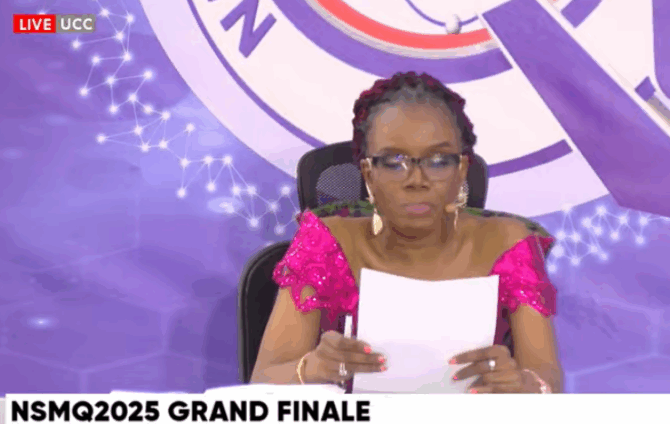
The Dean of the University of Ghana School of Engineering Sciences and Quiz Mistress of the National Science and Maths Quiz (NSMQ), Professor Elsie Effah Kaufmann, has made an appeal for responsible and sustainable mining practices in Ghana, warning of the grave dangers posed by mercury pollution.
Her call came during the fourth round of the grand finale of the 2025 National Science and Maths Quiz, where she posed a chemistry question on mercury toxicity to the contestants.
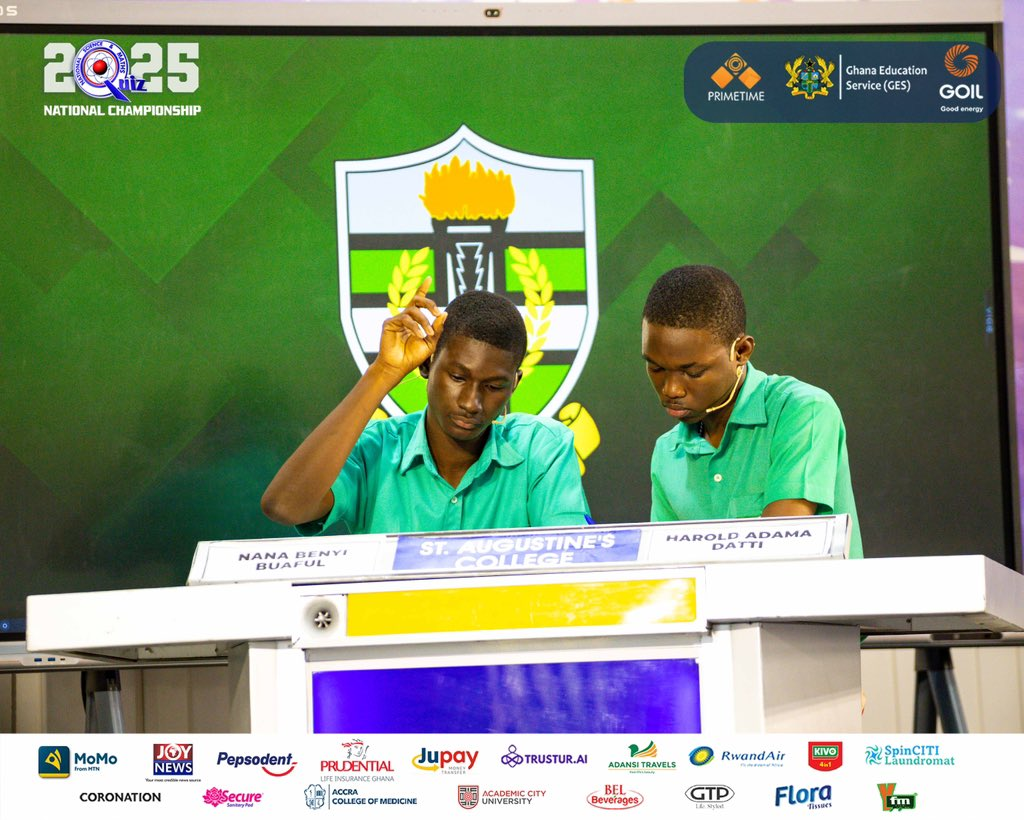
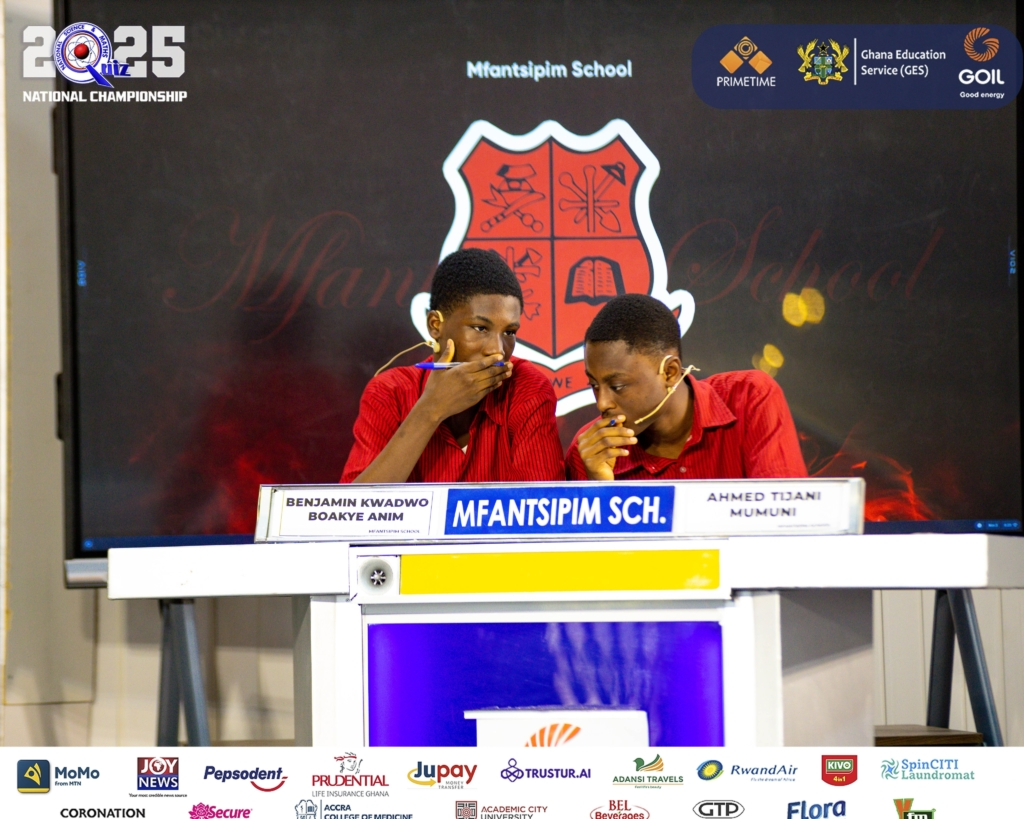
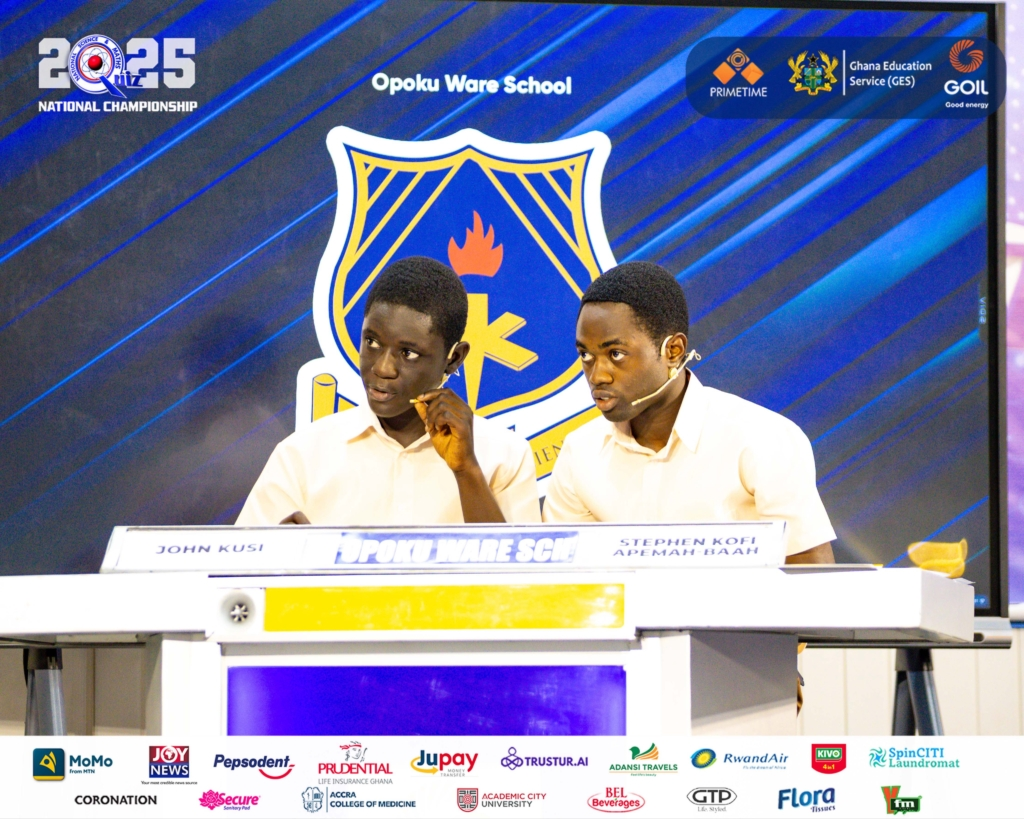
Defending champions Mfantsipim School went head-to-head with their Cape Coast rivals St. Augustine’s College and Ashanti Regional champions Opoku Ware School in the ultimate showdown of the 2025 National Science and Maths Quiz (NSMQ).
The question stated: “Elemental mercury is far more toxic than organo mercury compounds as the body can easily excrete the organic form — true or false?”
Contestants from St. Augustine’s College correctly answered “false”, prompting Prof. Kaufmann to use the moment to educate the audience about the dangers of mercury, particularly its impact on health and the environment.
“Let me tell you something about mercury,” she began. “Mercury and other heavy metals that are released from mining activities are toxic to us, even in very small, minute quantities. They are extremely toxic; they never break down, they never go anywhere, and they can be converted into even more toxic forms.”
She explained that organic forms of mercury, such as methylmercury, are up to 100 times more toxic than the elemental form.
These compounds, she said, accumulate in the bodies of humans and fish, eventually finding their way into drinking water, food crops, and aquatic life.
“They enter our drinking water, fish, and crops, and they can affect everyone everywhere,” she cautioned. “Some of the effects include brain and nerve damage especially in children, kidney failure, lung damage, high blood pressure and heart attacks, as well as damage to the immune system,” she said.
Professor Kaufmann urged Ghanaians, particularly those involved in the mining industry, to balance economic activity with environmental protection.
“Yes, we have to mine,” she acknowledged, “but let’s think about what happens to us tomorrow. We are creating an increasingly toxic environment for our children and future generations. Please, let’s mine sustainably,” she counselled.
Latest Stories
-
Imagination Africa, Mentors Chess Academy to host second African Genius Chess Championship at Ghud Park
1 hour -
Nana B passport claims a diversionary tactic — Abu Jinapor
2 hours -
Pope Leo diagnosed with cancer as doctors remove lobe of lung, Vatican says
2 hours -
Legal Aid Commission takes free legal services to Techiman main lorry terminal
2 hours -
Nana B denies seeking passport favour, accuses Ablakwa of failing to account for GH¢16.4m
2 hours -
Young girls demand climate action, stronger protection against child marriage
3 hours -
Ex-gang boss sentenced to 40 years for orchestrating Tupac Shakur’s murder
3 hours -
From near-deferral to three awards: UMaT graduate’s academic journey
3 hours -
Atta Akyea denies seeking presidential pardon for Wontumi in galamsey case
3 hours -
Photos: Mahama commissions 85-bed Police Hospital ward, donates two ambulances
3 hours -
GTEC directs Ghana’s public universities to reopen by October 16 and begin lectures on October 19
3 hours -
Star Oil donates GH¢1million towards construction of new CID facility
3 hours -
Court hands Adjetey Sowah, two others lifetime bans after Amputee Football legal dispute
4 hours -
NDC appoints Julius Kwame Anthony as a Deputy Communications Director
4 hours -
Ghana repatriates 120 Nigerians rescued from suspected cybercrime centres
4 hours