

Audio By Carbonatix
A crucial study has revealed that women who experience pregnancy loss are among the most mentally vulnerable patients in Ghana's healthcare system, with a startling 50% showing signs of significant psychological distress.
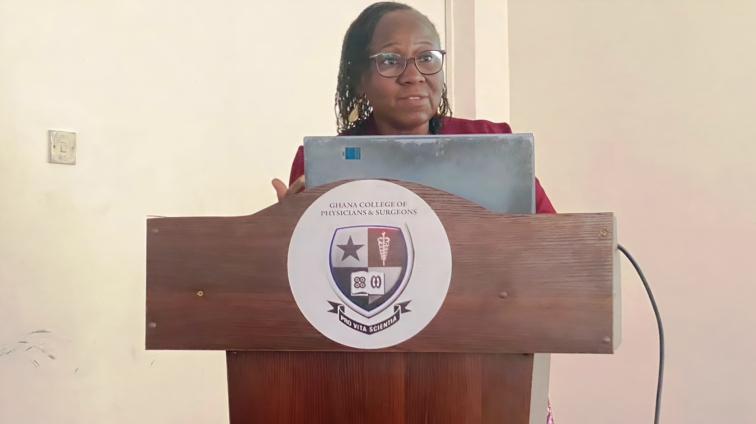
This urgent finding was highlighted at a national policy dialogue held on Tuesday, November 27, at the Ghana College of Physicians and Surgeons (GCPS), emphasising the immediate need to integrate mental health services into routine primary maternal care.
The dialogue was convened to disseminate the findings of the RESPONSE research project, which investigated the mental health burden on mothers and the frontline staff who care for them.
Pregnancy Loss: A Forgotten Crisis
The RESPONSE project, a collaboration between the London School of Hygiene & Tropical Medicine (LSHTM), the Ghana Health Service - Research and Development Division (GHS RDD) and other institutions, was funded by international partners including the UK Medical Research Council, FCDO, and the Wellcome Trust.
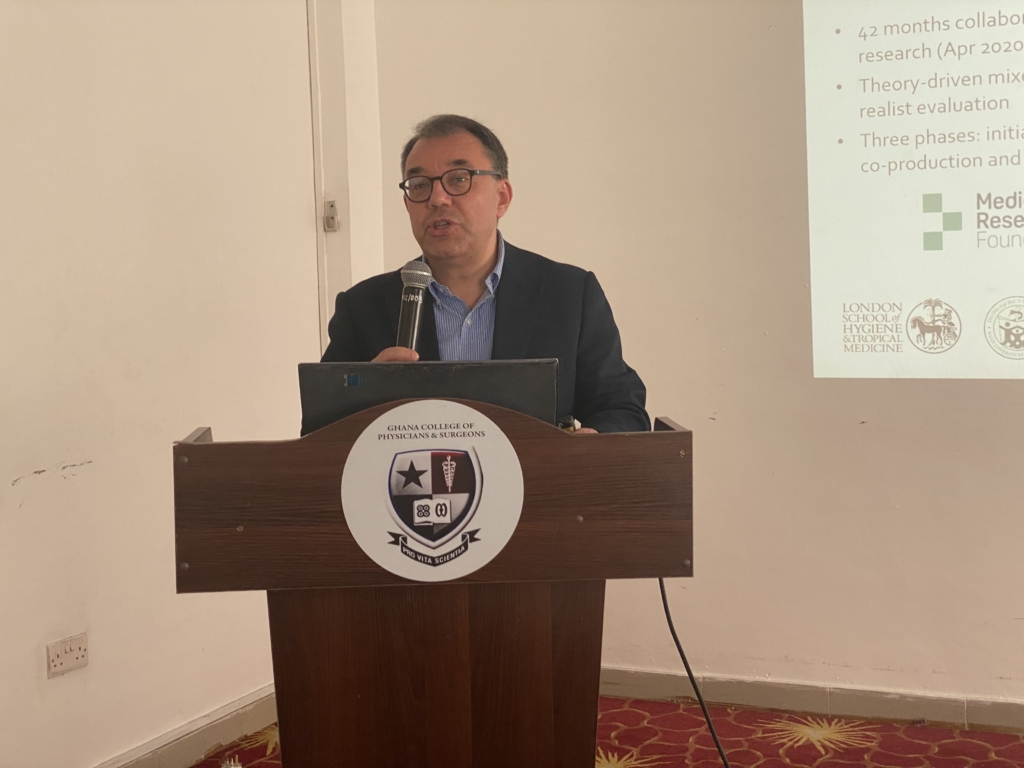
The study, which spanned 42 months and included a six-month pilot intervention in primary health facilities across the Prampram-Ningo and Shai-Osudoku districts, used the WHO's Self-Reporting Questionnaire (SRQ-20) to screen over 2,000 women.
The data provided sharp focus on the psychological trauma following the loss of a pregnancy:
- 50% of women who had experienced pregnancy loss scored ≥6 on the SRQ-20, the widely used threshold indicating probable mental distress.
- This percentage is nearly double the average distress rate of 28% found across the total sample of pregnant and postnatal women screened.
Broader Maternal Distress and Suicidal Thoughts
While focusing on loss, the study underscored a generalized mental health crisis in maternal care:
- 28% of the total women screened were found to be in mental distress (≥6).
- 5% of all women admitted that thoughts of ending their lives had been on their mind in the past 30 days.
- Distress often begins early: 36% of pregnant (antenatal) women showed signs of distress, compared to 25% of postnatal clients.
- Adolescent mothers (aged 14–19) were also highly vulnerable, with 43% of the 172 teens screened showing distress, a rate significantly higher than their adult counterparts.

Professor Irene Agyepong, Co-Principal Investigator, highlighted the policy implication: “Traditionally, we focus only on postpartum depression, but our data shows the problem often starts during pregnancy.”
Frontline Workers Are Also Struggling
The ability of the healthcare system to support these vulnerable mothers is compromised by the burnout faced by the caregivers themselves.
The study revealed that frontline health workers are under immense psychological strain, compounding the public health crisis:
- 51% of the 172 health workers screened experienced moderate to extremely severe anxiety.
- 40% reported moderate to extremely severe stress.
- 37% struggled with moderate to extremely severe depression.
Prof. Agyepong emphasized the critical need to address this staff crisis: “Health workers told us clearly: ‘If you want us to care for patients’ mental health, you must first care for ours.’”
Path Forward: Policy and Financing
The dialogue concluded with strong consensus on the need for immediate, systemic change. Key recommendations included:
- Revising National Reproductive Health Guidelines to formally incorporate mental health screening for all pregnant women.
- Allocating dedicated budgets for staff wellbeing and maternal mental health.
- Institutionalizing the pilot-tested interventions—which include SRQ-20 screening and referral to WHO mhGAP-trained mental health nurses—as national protocols.
Prof. Tolib Mirzoev, Principal Investigator, stressed that prioritising health staff needs is critical to system performance.
Furthermore, participants committed to exploring sustainable financing mechanisms, including integration into the National Health Insurance Scheme (NHIS).
Prof. Agyepong issued a final call to action, cementing the importance of the findings:
“Maternal and health worker mental health is not a luxury—it is foundational to achieving universal health coverage and the Sustainable Development Goals... The question is no longer ‘if’ but how quickly and how well we act.”
Latest Stories
-
Ho Central Mosque reopens amid unresolved leadership dispute that led to closure
9 minutes -
Minority caucus questions GH¢16.4m in Ablakwa’s SA evacuation spending, demands independent audit
18 minutes -
Gender Ministry meets Nana Akua Addo’s husband over domestic violence after hospital discharge
1 hour -
UG Vice-Chancellor urges swift operationalisation of National Research Fund
2 hours -
Pope Leo to have surgery after lump found in lung
2 hours -
Joseph Cudjoe writes: Ghana must break free from the dangerous mindset that natural resources are the foundation for wealth
2 hours -
Children among 109 dead after boat capsizes off Djibouti, UN says
2 hours -
OmniBSIC Bank’s 11th health walk promotes fitness and business growth
2 hours -
2026 World Maritime Day: Danish Embassy organises “The Gulf of Guinea Speaks”
3 hours -
New Economy will tackle unemployment and restore hope – Ato Forson
3 hours -
IMMILAC president recounts personal losses as security women lead breast cancer awareness campaign in Wa
3 hours -
University of Ghana postpones October 12 reopening as GAUA strike persists
3 hours -
Bahass Foundation launches vocational skills training to support mental health recovery in Wa
4 hours -
NPP orders parliamentary aspirants and their supporters to suspend campaign activities
4 hours -
Techiman unites against child marriage: Joy Impact Makers Awardee leads charge on International Day of the Girl Child
4 hours