

Audio By Carbonatix
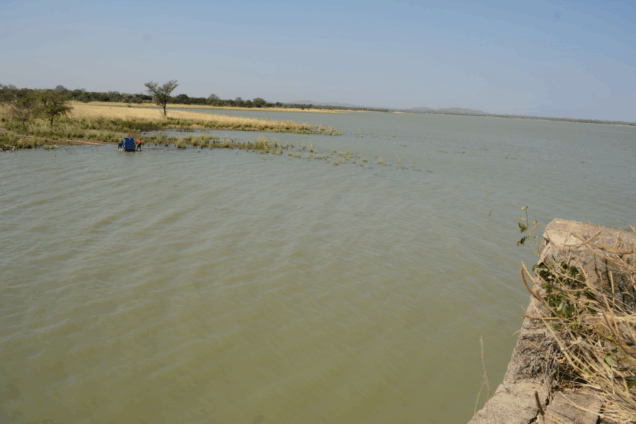
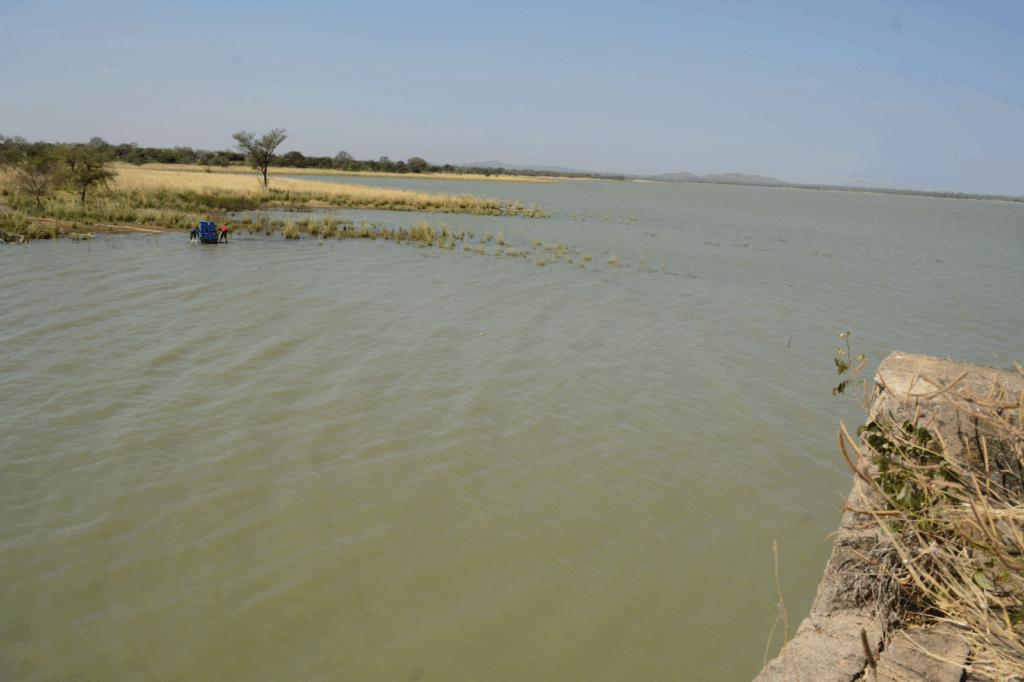
The Tono and Vea irrigation dams, once reliable lifelines for dry-season farming in the Upper East Region, are now under growing threat.
Rising temperatures, erratic rainfall, and prolonged dry spells linked to climate change are reducing water levels and disrupting carefully planned irrigation schedules.
The dams are being pushed beyond their original design capacity, and farmers are constantly racing against time to avoid post-harvest losses.
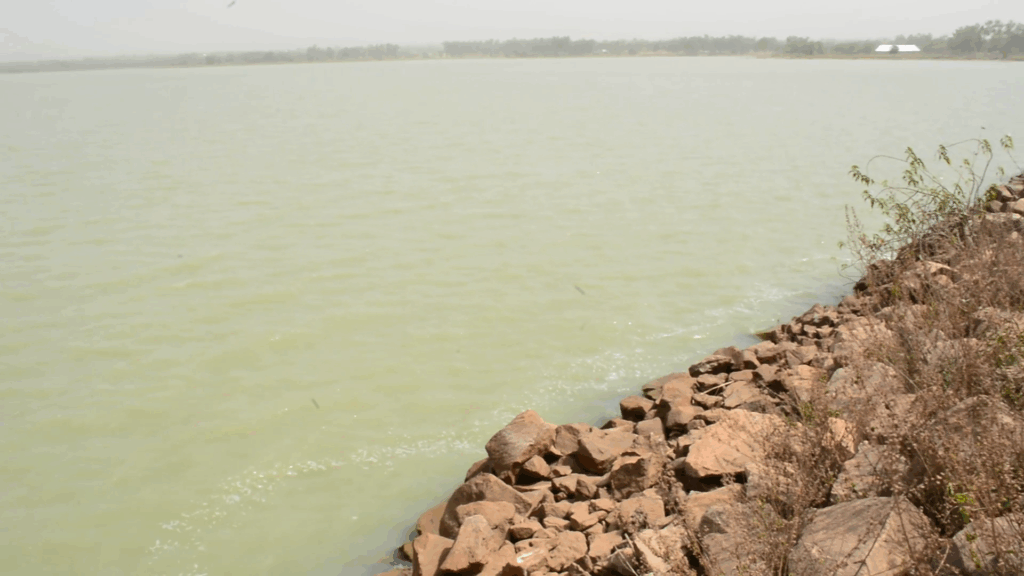
The Tono Dam, located in Navrongo in the Kasena-Nankana Municipality, and the Vea Dam, located in the Bongo District, have for decades sustained thousands of smallholder farmers.
Constructed in the 1970s, the dams were designed to support dry-season farming and stabilize food production in one of the country’s most climate-vulnerable zones.
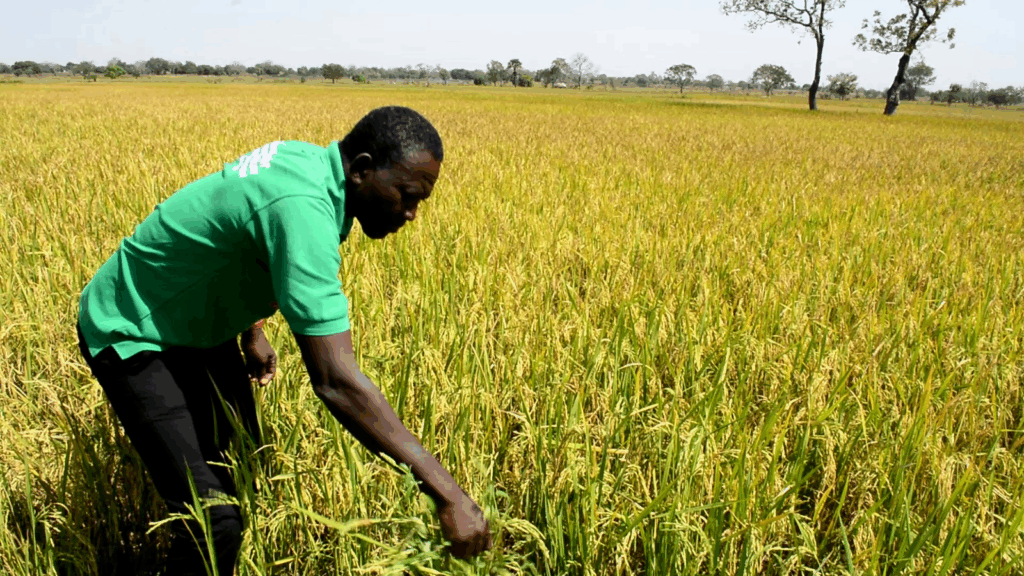
Through controlled irrigation, the dams enabled the cultivation of rice, vegetables, and other crops long after the rains had ceased.
Today, however, that lifeline is under increasing threat.
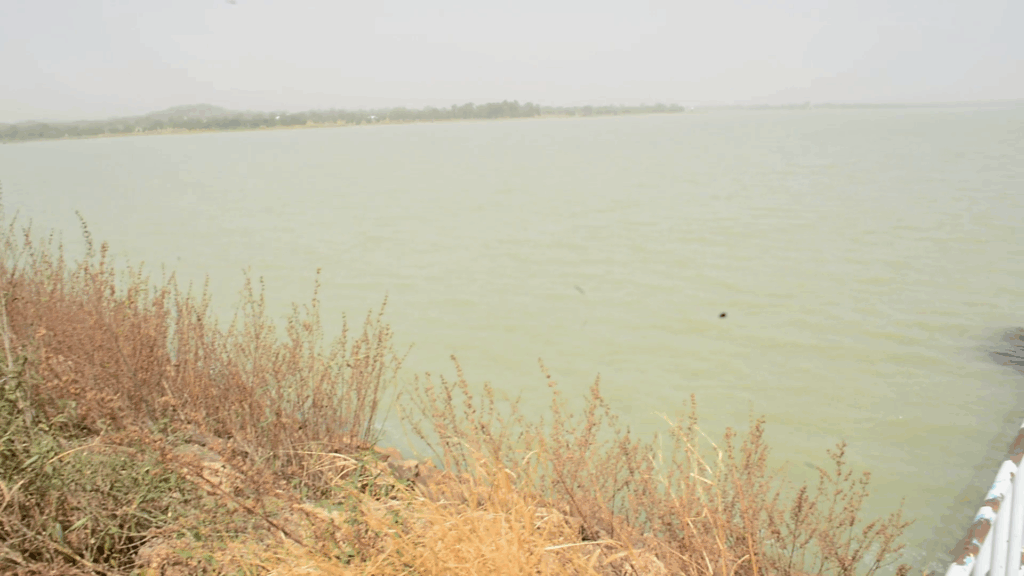
Climate change—defined as long-term changes in temperature, rainfall patterns, and weather extremes largely driven by human activities such as fossil fuel use and deforestation—is putting unprecedented pressure on the Tono and Vea irrigation dams and the farming communities that depend on them.
According to the Irrigation Company of Upper Region (ICOUR), which manages both facilities, rising temperatures and erratic rainfall have made it increasingly difficult to operate the irrigation schemes as planned.
Dominic Anarigide, the Acting Managing Director of ICOUR, told JoyNews that, unlike in the past when the rains often came by May, the rainy seasons now start in July.

“What this means is that we are no longer able to maintain our crop calendar, and therefore, we have to give (farmers) supplementary irrigation. Supplementary irrigation is supposed to augment the rainfall. But sometimes we end up giving too much water (from the dams) even during the rainy season,” he said.
Anarigide said this often leads to a drastic reduction in the volume of water in the dams.
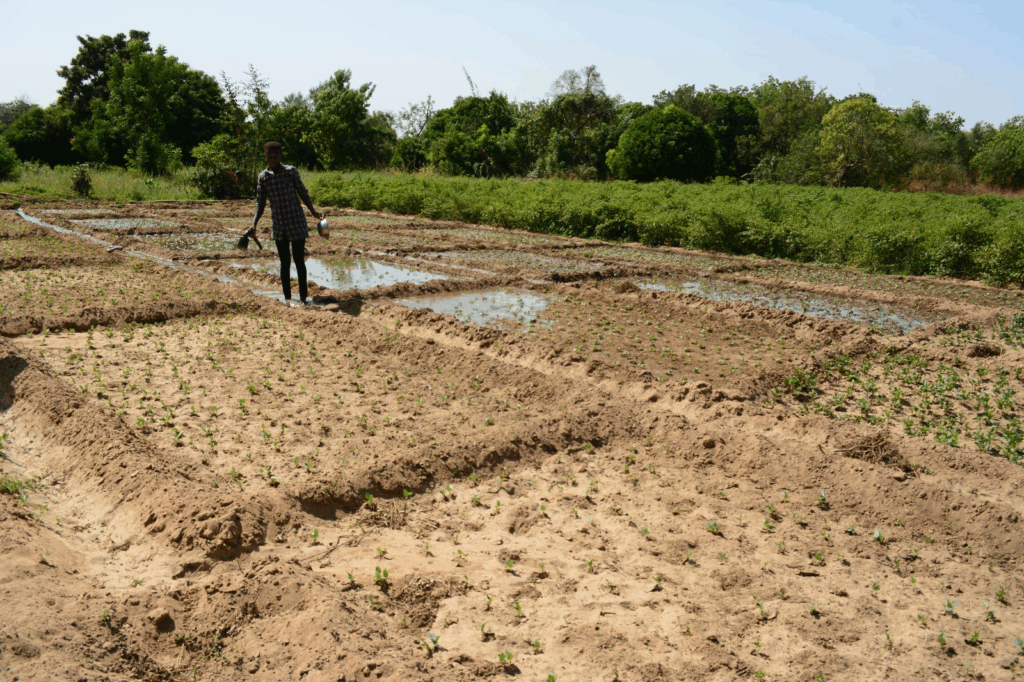
“Also, because of the rise in temperatures resulting from climate change, the surface of the water becomes so hot. It is estimated that every month, we lose about 2.5 million cubic meters of water due to evaporation alone. So, if you translate that to a year, then that is a large amount of water that is lost”, he also revealed.
“That also reduces the amount of water available in the dam for irrigation purposes”, he added.
At the same time, climate change is driving a quieter but equally significant trend: migration toward water sources.
As the rainfall has become more unreliable across the region, more people are moving closer to the dams to engage in irrigated farming.
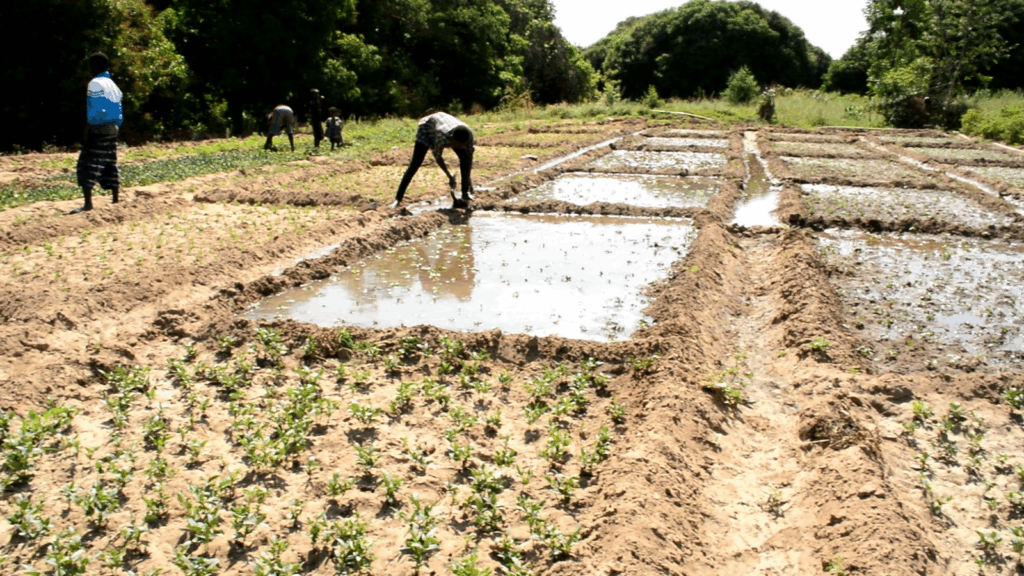
This growing concentration of farmers is putting additional demand on already stressed dams.
According to the Acting Managing Director of ICOUR, the Tono and Vea irrigation dams are silted due to encroachment.
“For instance, the Tono dam is estimated to be about ten percent silted. The Vea dam is also silted, but we haven't recently conducted research to ascertain the exact level of siltation," he said, adding, "Climate change has pushed some farmers to now want to move closer and farm around the buffer zone (of the dams), and that also pushes some debris into the dams."
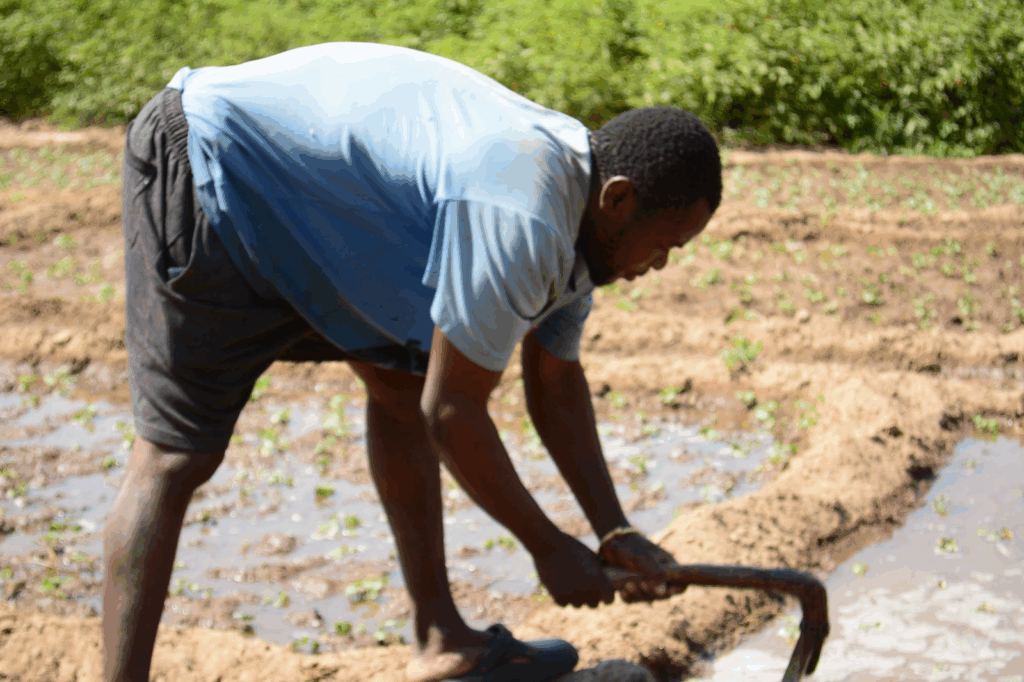
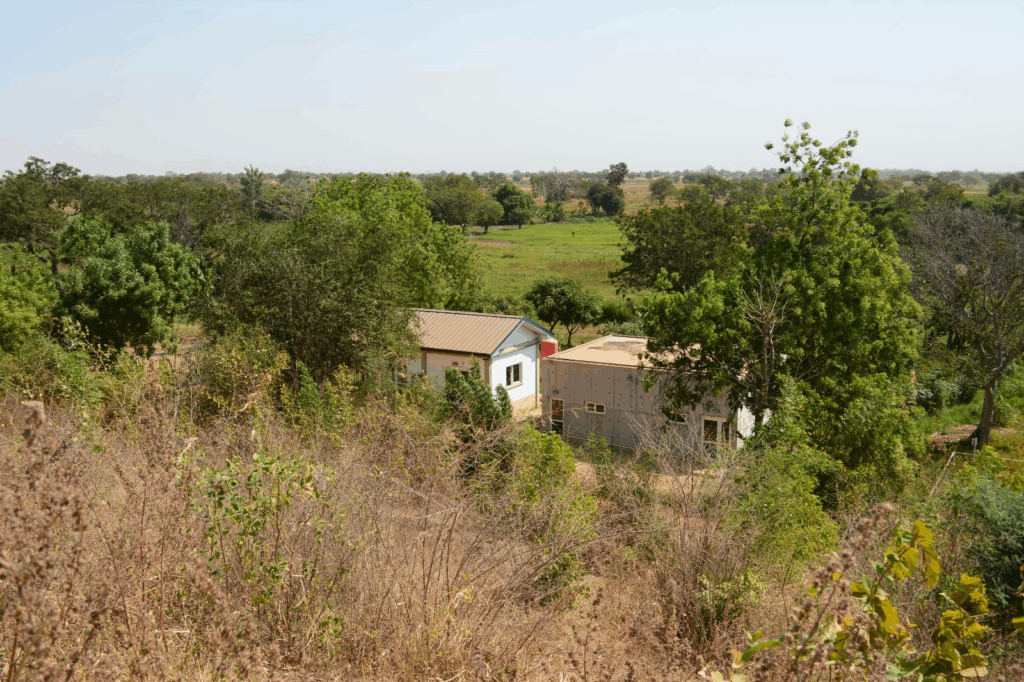
Downstream, in the lowlands under the Tono irrigation scheme, farmers are facing mounting uncertainty.
Some currently risk losing their crops because ICOUR must halt the water supply to allow for canal cleaning and maintenance ahead of the dry-season farming window.
For several farmers, however, the timing no longer aligns with reality.
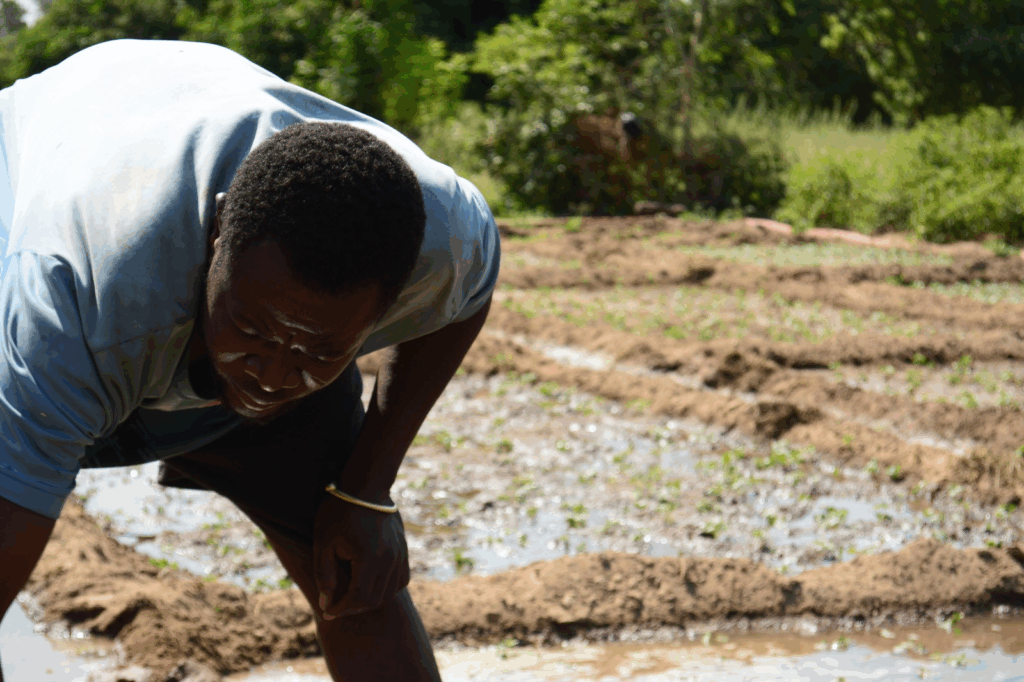
“Farmers were not able to start farming at the time they were supposed to. The rains did not come for us to start early. And they have a calendar that tells us when to start farming and when to end. So, if the farmer is not able to fall in line with the calendar, then at the time his crop still needs water; that is the time ICOUR might tell us to stop work for them to carry out maintenance,” one farmer explained.
Another farmer said, “The rain doesn't come early, or it comes and then goes off. So, we are constantly in need of water from the dam – those are the challenges that we are facing from the irrigation project. And if it happens like that, we get bad yields."
ICOUR maintains that the irrigation calendar must be followed to ensure long-term functionality of the system.
Yet unstable weather patterns mean that each year, some farmers are left behind through no fault of their own.
To manage the growing strain, ICOUR is calling for increased government support, including subsidies to help affected farmers cope with losses.
The acting managing director also believes that stronger private-sector partnerships and further investment in modern irrigation technologies could improve efficiency and resilience.
As climate change continues to reshape farming in northern Ghana, the experience of the Tono and Vea dams highlights a broader challenge: infrastructure built for yesterday’s climate must now adapt to today’s realities.
This story is brought to you by JoyNews in partnership with CDKN Ghana, University of Ghana Center for Climate Change and Sustainability Studies, with funding from CLARE R4I Opportunities Fund.
Latest Stories
-
Government has improved sanitation in one-and-a-half years — Salaga South MP
51 minutes -
Nkwanta North Assembly to appear before Parliament over DACF sanitation spending
1 hour -
Mourinho prints out ‘red card’ incidents after Real lose derby
1 hour -
Atletico beat 10-man Real in feisty Madrid derby
2 hours -
Twelve Tribes of Israel Ghana to mark 40 years with anniversary celebration
2 hours -
GPL 2026/27: Hearts held by Bechem as Kotoko, Samartex share spoils
2 hours -
My Story (Kwaku Antwi-Boasiako)
2 hours -
We expect growth rate to re-accelerate in second-half of 2026 – IC Insights
3 hours -
The ungodliness and unrighteousness underlying the National Cathedral mess!
3 hours -
T-bills auction: Government fails to achieve target; yield on 91-day-bill remains unchanged
3 hours -
It’s Ghana’s shame to denigrate Nkrumah when the whole world honours him as African of the Century – Asiedu Nketiah
3 hours -
No other nationalist can compare to Nkrumah – Asiedu Nketiah
3 hours -
Collateral Registry: Foreign banks accounted for GH¢19.9bn of secured credit in quarter 2, 2026
3 hours -
This government should expect scrutiny – Asiedu Nketiah
4 hours -
Two-year-old girl dies in domestic fire at Cantonments
4 hours