

Audio By Carbonatix
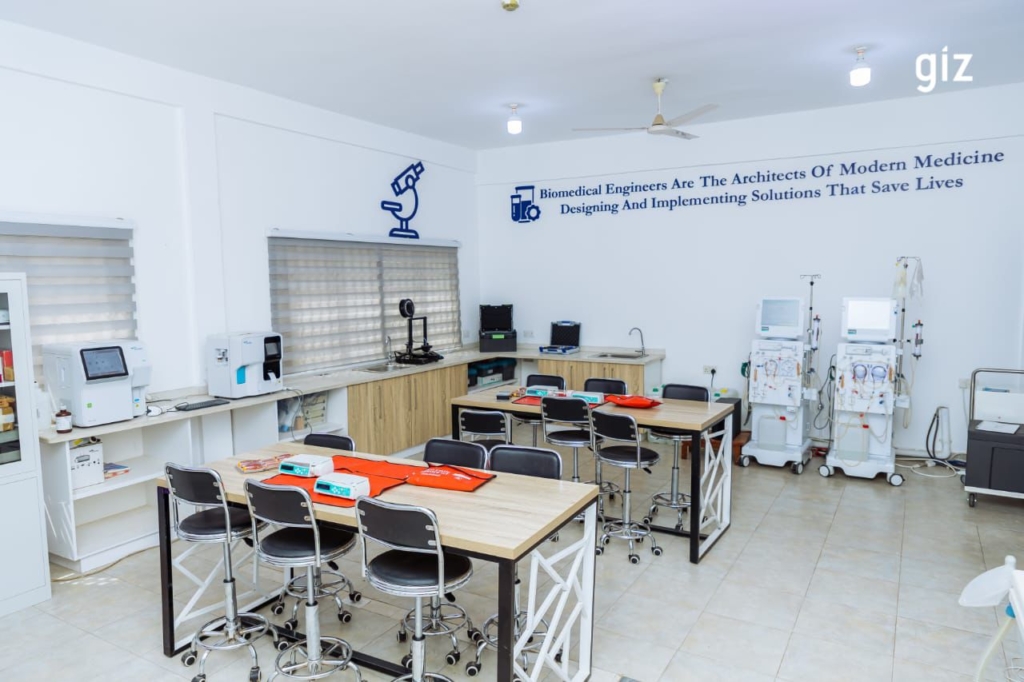
The German Development Cooperation (GIZ) has commissioned a refurbished bio-instrumentation laboratory at the University of Ghana to enhance practical training for Biomedical Engineering students and strengthen technical capacity in Ghana’s healthcare sector.
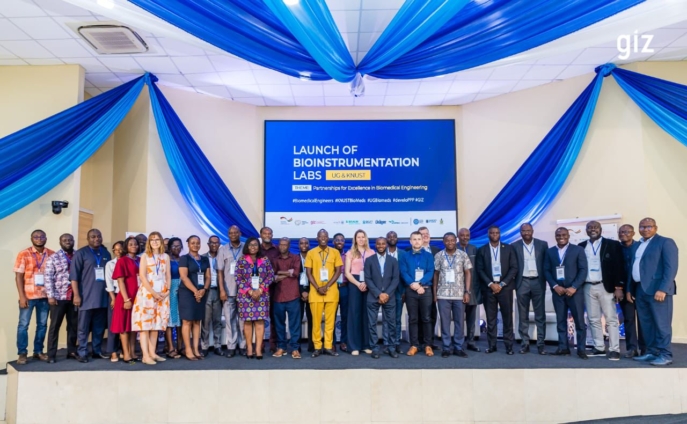
The laboratory was officially launched at the ISSER Conference Hall of the University of Ghana on Thursday, 26 February 2026, bringing together government officials, university authorities, development partners, and students.
The state-of-the-art facility is equipped with modern biomedical instruments designed to bridge the gap between theoretical learning and hands-on practice, aligning student training with industry standards.
The launch comes as a major relief for students who previously faced challenges gaining practical experience due to outdated equipment and limited laboratory infrastructure. Many students relied heavily on theory, making it difficult to apply classroom knowledge in real-world situations.
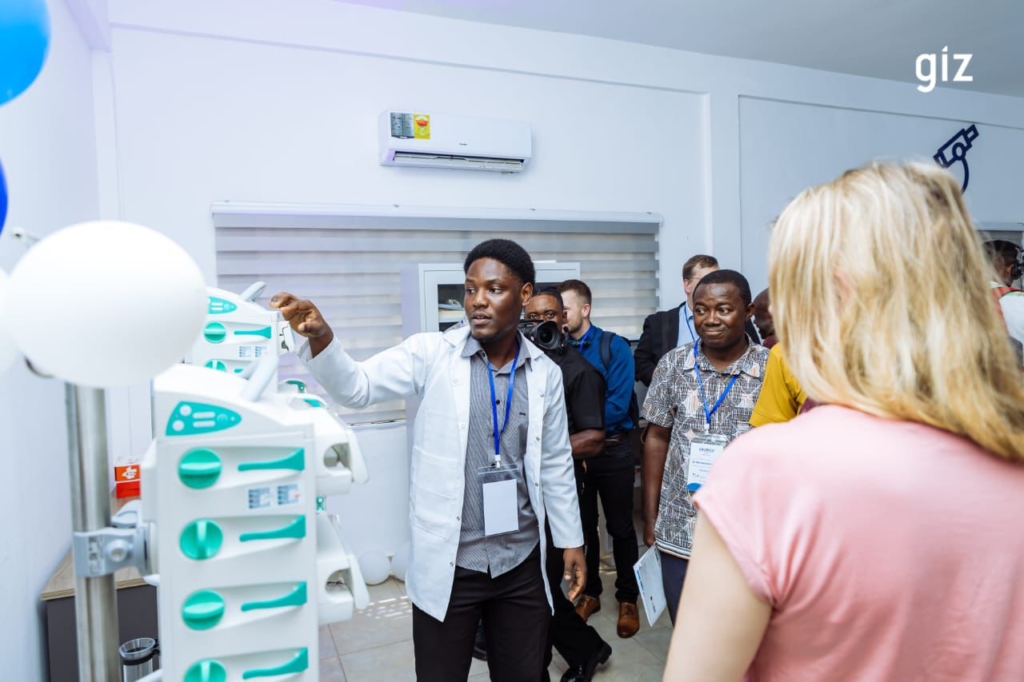
Students, including Daniel Tindan Yinpang and Tricia Andoh-Yamoah, described the new laboratory as a significant improvement that will enhance experimentation, innovation, and professional preparedness.
Speaking at the launch, Professor Elsie Effah Kaufmann, Dean of the School of Engineering Sciences at the University of Ghana, reflected on the long and challenging journey of establishing biomedical engineering education in Ghana.
“We had issues with capacity, facilities, and especially the practical aspects of the programme,” she said, noting that early years were marked by inadequate teaching staff, limited infrastructure, and insufficient facilities for practical training. Lecturers often handled multiple courses while students struggled to gain hands-on experience.
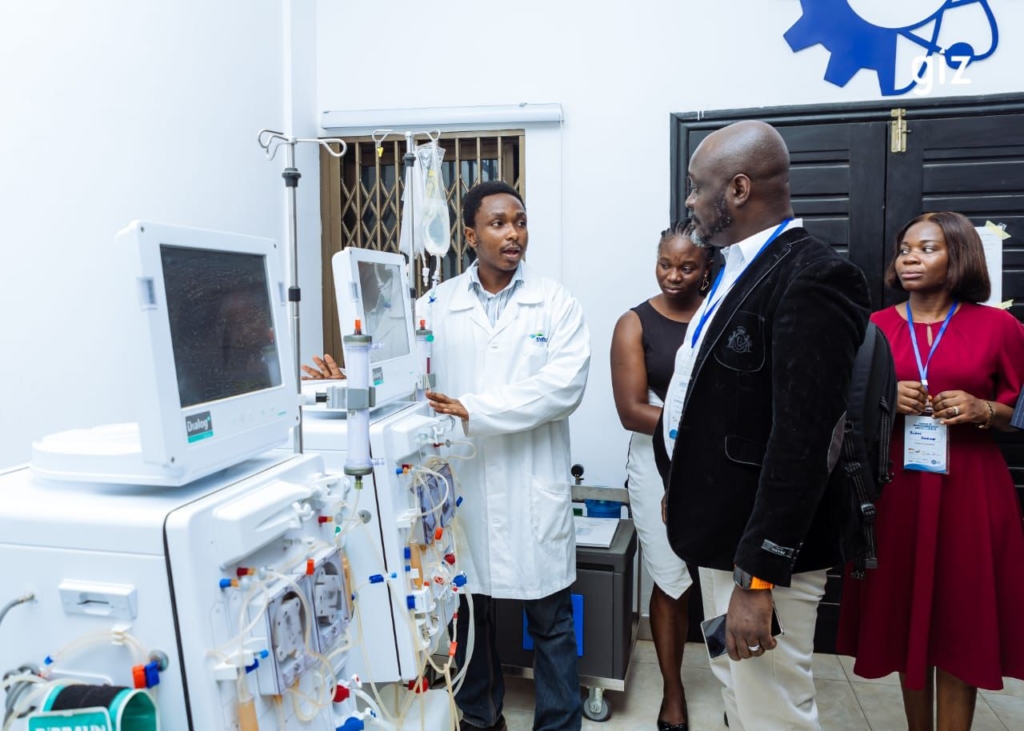
Speaking on behalf of the Minister of Health, Dr Ignatius Awinibuno, Director of Allied Health at the Ministry of Health, emphasised that Ghana’s quest for universal health coverage could be undermined without strong biomedical technology systems and skilled professionals to maintain medical equipment.
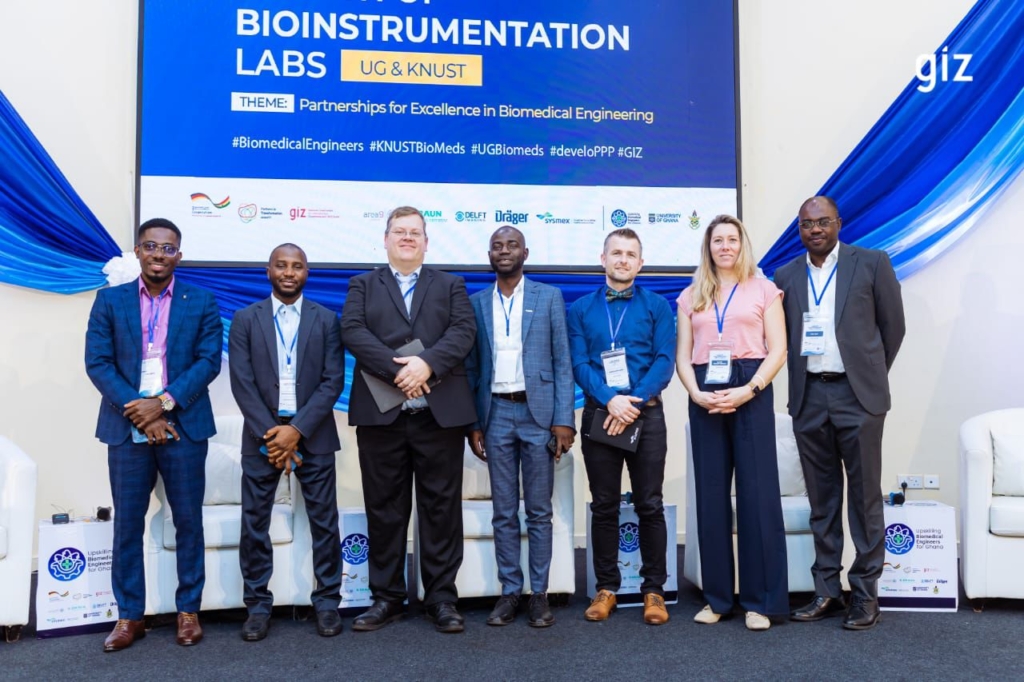
The Lead Consultant for the Upskilling Biomedical Engineers for Ghana initiative, Professor Thorsten Wagner, also highlighted the importance of strengthening practical biomedical engineering education to ensure sustainability in healthcare technology management.
The facility is expected to benefit both current and future cohorts of Biomedical Engineering students, marking a significant milestone in advancing skills-based engineering education at the University of Ghana.
Latest Stories
-
Challenging Heights rescues 25 trafficked children from Lake Volta in weekend operation
8 minutes -
‘Nobody has any video of me embarrassing myself’ – Afenyo-Markin on ‘extortion’ allegation
15 minutes -
Government listening to ordinary Ghanaians with diesel relief – Duncan Amoah
15 minutes -
Photos: Manya Krobo Ngmayem Festival turns 133
26 minutes -
Government must go beyond short-term fuel relief – COPEC
27 minutes -
‘Revive traditional values to fight plastic pollution’ – EPA CEO
31 minutes -
Mahama’s administration is Ghana’s worst ever – Amin Adam
39 minutes -
BSIFF 2026 puts local language cinema at the centre of African film conversation
44 minutes -
MMFL makes strong showing at 2026 JoySports Invitational
46 minutes -
NPP vetting was candid and went beyond routine questions – Afoko
46 minutes -
CIIG 6th Insurance Excellence Awards highlights need to protect professional standards
52 minutes -
GEXIM Bank’s interest income surges 90% to GH¢153.9m – SIGA report
53 minutes -
GNFS rescues man trapped beneath loaded truck after it overturns at Kibi
54 minutes -
African Union backs Sudanese-led dialogue to end conflict
55 minutes -
VRA reverses GH¢106m loss to record GH¢88m profit in 2025
57 minutes