

Audio By Carbonatix
In Ghana's Savannah Region, climate change is doing more than just drying up the land; it is driving a complex conflict between farmers and nomadic herders. Every year, large herds arrive in the region from the Sahel region, forced south by harsh weather in search of water and grass.
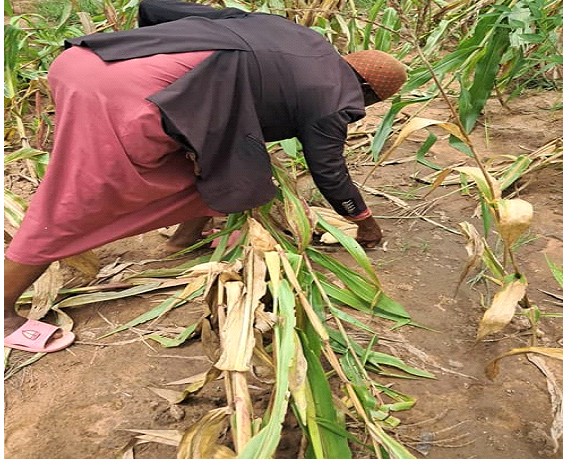
For the local farmer, whose rainy seasons are getting shorter and yields are smaller, every acre of maize is a vital investment. When cattle destroy these crops, it isn't just a loss of food- it's a loss of a family's livelihood. How are they copying?
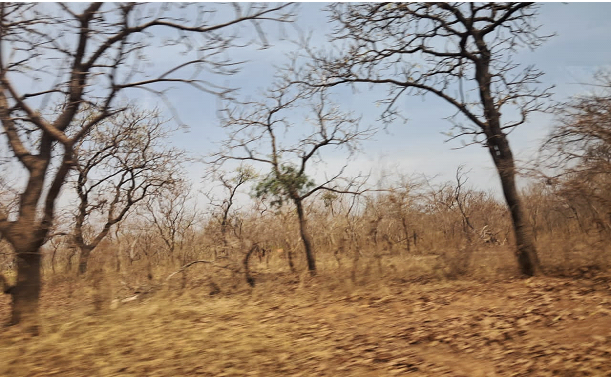
Impacts Of Climate Change at Bamboi in the Savannah Region
CLIMATE EVIDENCE:
Private-Sector Ranching: A solution for farmer-herder conflicts in Savannah:
Year in year out, large herds of cattle arrive in the Savannah region from the neighbouring countries like Burkina Faso, Mali and Côte d'Ivoire. They move around grazing farmlands, any fresh vegetation and compete with locals over limited water resources,s thereby heightening the farmer-herder tension.
The region has, for the past 15 years,s and counting, ng witnessed with concern the devastating level of destruction caused by the nomadic herds, some of which have led to brutal confrontations resulting in injuries and loss of life.
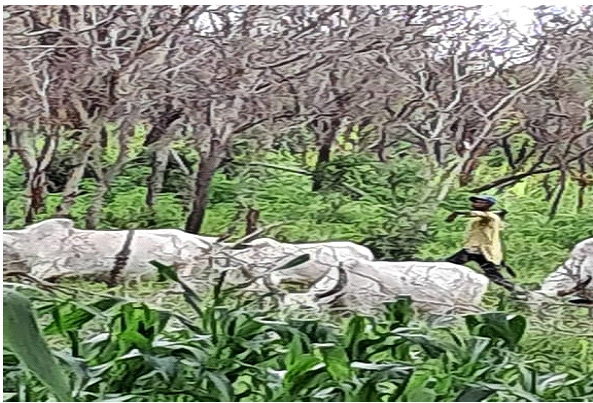
In some cases, the animals are killed in their numbers, and the issues are mostly reported to the traditional rulers, whom the farmers have vehemently accused of being partial.
A herder with his cattle in a maize farm in West Gonja Municipality
For the herders, however, movement is not a choice; it is a priority. Their cattle are their culture, pride and investment that support their survival. The general secretary of the Fulbe community in Ghana, Yakubu Musah Barry, explains the desperate situation these nomads face.
"The challenges that we witness in Ghana between the herders and farmers are because many of the herders are migrants.
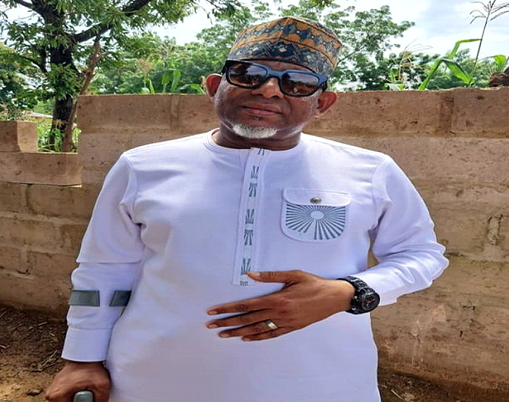
"They migrate into the country and move around with their cattle in an environment that they don't know about, thereby trampling on people's investment. So, I support the idea of ranching where all animals will be moved there," Mr Barry noted.
The menace of cattle destruction and farmer-herder conflicts has reached a point of frustration among farmers,s in which some of them (farmers) have joined the call for private-sector ranching to keep the animals away from farmlands. One of such farmers is the presiding member of West Gonja Municipality, Mumuni Mohammed, who has lost his 10-acre farm to cattle grazing.
"Having suffered a similar fate, one way out is the ranching system. Because I'm also the head of the public complaints unit at the assembly. So, we (WGMA) will team up with other stakeholders to see the possibilities of establishing a ranch to help curtail the cattle crisis," Mr Mumuni Mohammed said.
This menace, which keeps on occurring every cropping and off-seasons, has caught the attention of major stakeholders like the Savannah regional Minister, Saulisu Be-Awuribe and the regional Director of Agriculture, Seidu Sulemana, backing a modern, private-sector ranching system.
They point to successful "pay-for-service " models in Yapei and neighbouring La Côte d'Ivoire as the blueprint for the future.
" You can see clearly that President John Dramani Mahama is setting up in an open land in Yapei. So, I think a private initiative for such a facility for fees will do us a whole good," Mr Be-Awuribe indicated.
"As you may know, climate change is not only affecting crop production but also animals as well. So, getting a ranching system in the region will minimise the destruction." Mr Seidu Sulemana.
The idea of ranching along a demarcated water zone where livestock are raised in a controlled environment could help reduce open grazing and curb further clashes in the future.
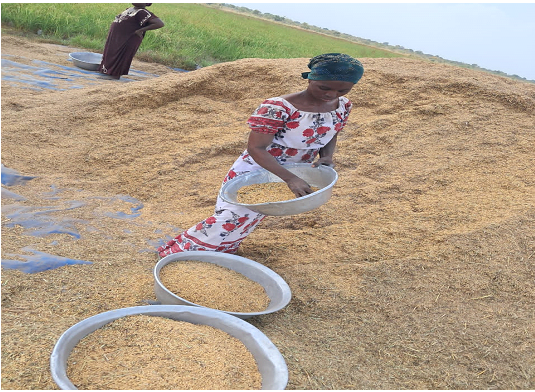
While long-term ranching is being planned to address the farmer-herder crisis, immediate efforts are put in place to keep the peace between the two (farmers and herders). As such, a mixed mediation committee has been set up by the Savannah regional peace council, which is successfully resolving disputes before they turn into violence.
Reverend Father Lazaros Annyereh, chairman of the council, says their efforts are paying off.
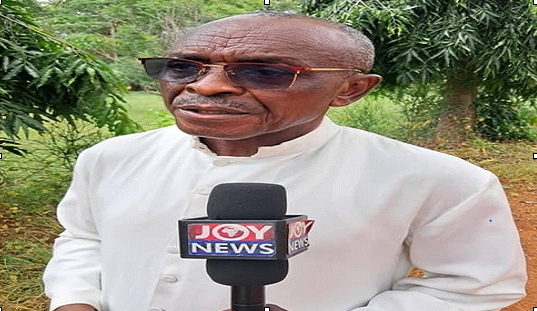
"When we first heard of the confusion between the herders and farmers, we conducted research and established that the grazing is slowly done at midnight. So, we came out with a mixed mediation committee in Makuma, Tinga, Sawla, aand communities.
So, it worked because the committee was able to raise GHC94,000 for the victim farmers as compensation for their loss." Rev Fr. Annyereh.
As the 2026-2027 farming season approaches, experts agree on the way forward: the region needs clear grazing corridors, better land boundaries that respect farms and sustainable water resources for herders.
For the farmers, the focus remains on drought-resistant crops to survive the changing climate.
Latest Stories
-
Okoe Boye accuses Mahama government of prioritising arrests over jobs for youth
37 seconds -
KMA denies claims of financial interest in Baba Yara Stadium prefabricated containers
11 minutes -
KMA to enforce standard container designs for all new structures in Kumasi from 2027
21 minutes -
“No ceremony can replace their voices” — Mahama consoles families of departed eight
22 minutes -
Two killed, seven injured in Mankessim–Accra Highway crash
27 minutes -
Otumfuo Osei Tutu II urges RCC Chief Directors to strengthen decentralisation and development delivery
31 minutes -
Mahama urges reforms to honour fallen helicopter victims
36 minutes -
“His laughter still lives with us” — Widow remembers Flight Sergeant Addo Mensah at crash memorial
43 minutes -
‘No more a death sentence’: Upper West gets expanded dialysis unit after years of pain, pleadings and hope
44 minutes -
‘Life is fragile, service is sacred’ – Mahama reflects on helicopter crash victims one year on
44 minutes -
‘Greatest memorial is not stone or bronze’ – Mahama calls for reforms after helicopter crash
46 minutes -
‘Grief remains’ – Peter Anala’s family appeals for prayers one year after helicopter crash
49 minutes -
Bono East Police shut Kwame-Danso station after attack on officers during court escort
53 minutes -
Richard Ahiagbah explains NPP Democracy Under Attack protest, calls for fairness in state investigations
54 minutes -
Economic Fighters League criticises approval of 6 mining leases, calls for bigger state stake in Ghana’s gold
58 minutes