

Audio By Carbonatix
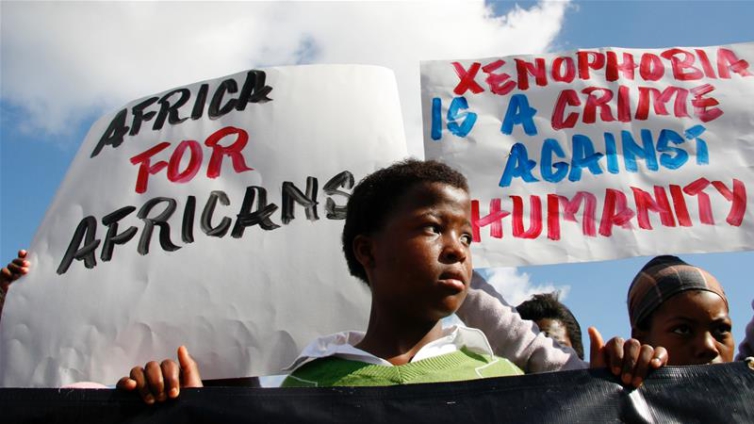
The West African Journalists for Environment Science Health and Agriculture has strongly condemned the continued xenophobic attacks against Africans in South Africa, warning that beyond the violence, the situation is rapidly evolving into a serious public health and mental health crisis.
In an official statement signed by the Editor-in-Chief of WAJESHA, Aminu Adamu Ahmed, WAJESHA described the attacks as “wrong, cruel, and unacceptable,” stressing that they are not only a human rights issue but a growing threat to the health and wellbeing of individuals and communities across the continent.
“Africa is already burdened by poverty, disease, climate change, and food insecurity. The last thing any African needs is to face violence, hatred, and rejection from a fellow African,” the statement said.
The organisation raised particular concern about the mental and psychological toll on victims, many of whom are living in constant fear, displacement, and uncertainty.
“We are deeply troubled by the mental and psychological damage these attacks are inflicting on victims. Fear, trauma, displacement, and loss are not small things. They leave scars that last long after the violence ends.”
Public health experts warn that exposure to violence and displacement significantly increases the risk of conditions such as Post-traumatic stress disorder, depression, anxiety disorders, and substance abuse. Displaced populations also often face barriers to accessing healthcare, increasing vulnerability to infectious diseases and worsening chronic conditions.
WAJESHA noted that the attacks are taking place at a time when many African countries are already struggling with rising cases of non-communicable diseases, mental health challenges, and fragile health systems.
“The victims of these attacks are not strangers. They are our people… To attack them is to attack all of us.”
The group warned that xenophobic violence undermines not only social cohesion but also regional health security, as fear and instability disrupt access to care, weaken health systems, and strain already limited resources.
“Beyond the human cost, these attacks poison the political and economic relationships that bind our region together,” the statement noted.
WAJESHA further stressed that violence-driven displacement can lead to overcrowded living conditions, poor sanitation, and limited access to clean water, factors that heighten the risk of disease outbreaks and long-term health complications.
Calling for urgent intervention, the organisation urged South African authorities to act decisively to protect all residents and prevent further harm.
“It is the duty of any responsible government to protect all people within its borders. We urge South African authorities to bring perpetrators to justice and deploy every available resource to stop the violence.”
Beyond law enforcement, WAJESHA emphasised the need for a public health response, including trauma support services, community-based mental health interventions, and inclusive healthcare access for affected populations.
The group also called on civil society, religious leaders, and the media to speak out against the attacks and promote social cohesion. “Silence in the face of injustice is not neutrality. It is permission,” Aminu said.
WAJESHA warned that the consequences of xenophobia extend far beyond immediate violence, affecting long-term health outcomes, regional stability, and collective progress. “Our health as a region, politically, economically, and in every other sense depends on peace. It depends on solidarity.”
Latest Stories
-
Kwabena Boamah appointed Board Chair for Impact Investing Ghana
3 minutes -
Striking teacher unions to meet Fair Wages and Salaries Commission on October 6
17 minutes -
EOCO working with AG to arraign Nana Baffour Awuah before weekend court
20 minutes -
Duraplast reassures customers after fire, announces October 5 reopening
28 minutes -
Call off strike, gov’t will not renege on promotion arrears pledge – Haruna Iddrisu appeals to teacher unions
30 minutes -
Committee set up to validate teachers eligible for 20% deprived-area allowance – Education Minister
34 minutes -
Five-member committee to search for new Black Stars coach after Sports Ministry-GFA meeting
1 hour -
Pinktober: Breast cancer survival exceeds 90% when detected early – Breast Society of Ghana
1 hour -
TCDA to adopt Upper West’s MATCO mango farm as northern prototype, issues warning against felling shea trees
1 hour -
‘Fear delegates’ tag: Afoko touts genuineness among delegates ahead of NPP delegates conference
1 hour -
John Boadu: The leader our party needs at this time – Amb. Edward Akwasi Boateng
2 hours -
Baffour Awuah: EOCO arrested, detained MP after hours of waiting, questioning – Afenyo-Markin
2 hours -
EOCO court warrant authorised search of Baffour Awuah’s law firm, not residence – Afenyo-Markin
2 hours -
NPP delegates conference: 3,000 to 4,000 police personnel deployed for security in Kumasi – Anthony Karbo
2 hours -
KGL Foundation commits $200,000 to support juvenile football for the next two years
2 hours