

Audio By Carbonatix
Ghana’s debt-to-GDP ratio is projected to rise to 53.0% by the end of 2026, up from 45.3% recorded in 2025, according to the International Monetary Fund (IMF).
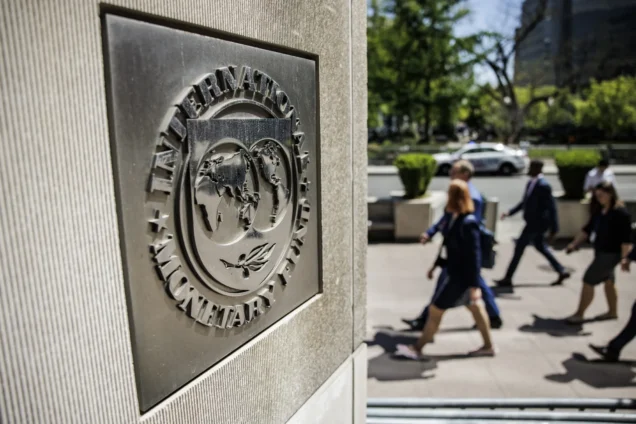
The projection is contained in the IMF’s Fiscal Monitor Report released on the sidelines of the 2026 Spring Meetings of the IMF and World Bank in Washington DC.
It is, however, not immediately clear what specific factors will drive the expected increase, as the report did not provide detailed breakdowns. It only noted that “Government debt and interest rate projections are based on a post-debt restructuring scenario.”
In 2024, Ghana’s debt-to-GDP ratio stood at 61.8%, with total debt pegged at GH¢726.7 billion, according to data from the Bank of Ghana. By 2025, the ratio had eased to 45.3%, with total debt declining to GH¢641 billion.
Despite the recent improvement, analysts caution that the outlook could shift depending on borrowing trends, exchange rate movements, and overall economic growth performance.
Some market watchers argue that increased borrowing or further depreciation of the cedi could alter the debt trajectory, while slower economic growth could also weigh on the debt-to-GDP ratio.
In April 2026, the government raised about GH¢2.7 billion through a 7-year bond issuance, marking a return to long-dated domestic borrowing after the Debt Exchange Programme. The bond carries a coupon rate of 12.5% and matures on March 29, 2033.
The IMF report also projects that Ghana’s debt-to-GDP ratio will ease to 50.7% in 2027.
Ghana Statistical Service data shows the size of the economy is now estimated at GH¢1.4 trillion, up from GH¢1.1 trillion in 2024.
Finance Minister Dr. Ato Forson, in the 2026 Budget Statement, outlined measures aimed at maintaining debt sustainability. These include expanding borrowing space for concessional loans, rebuilding the Sinking Fund, executing debt reprofiling and buyback programmes, and improving transparency in debt reporting.
He said the strategy is aimed at “managing debt, not being managed by it,” adding that Ghana’s goal is to return to a moderate risk of debt distress by 2028.
Ghana remains classified as a debt-distressed country by the IMF, although recent improvements have been acknowledged. The Fund expects Ghana to reach a moderate risk status by 2028 if current reforms are sustained.
Globally, the IMF warns that public debt pressures are rising, with worldwide debt projected to reach 100% of GDP by 2029, driven by higher spending needs and rising interest costs.
The Fund has called for “credible, well-sequenced fiscal adjustment” across countries to address growing vulnerabilities in the global financial system.
Latest Stories
-
Shot and killed in the US: Who was Dr Kofi Akamani?
39 seconds -
Sosu challenges EOCO’s basis for attempted arrest of Manhyia South MP
7 minutes -
KMA plans to convert Adum railway enclave into cargo truck terminal
9 minutes -
2026/27 cocoa season: COCOBOD engages international trading partners in London
26 minutes -
Fire contained at Dansoman’s Dayspring School, no casualties reported
30 minutes -
Nyankyerenease gets furnished CHPS compound to improve healthcare access
40 minutes -
Sky Train trial moves to defence as Asamoah, Ameyaw-Akumfi file witness statements
42 minutes -
AFCON 2027Q: Ghana will face Ivory Coast, Gambia unscathed – Sports Minister
44 minutes -
Heavy security at Accra High Court ahead of Salomey Baffoe bail hearing after EOCO’s attempted arrest of Manhyia South MP
55 minutes -
Teen rocker Nene Royal becomes first Thai to win America’s Got Talent
1 hour -
Skills Bridge Ghana Foundation trains 50 professionals in solar energy
1 hour -
Photos: Mahama Ayariga inspects waste evacuation exercise at Agbogbloshie
1 hour -
Photos: Mahama meets world leaders at 81st UN General Assembly
1 hour -
From the Accra Reset to Reparatory Justice: Inside President Mahama’s diplomatic agenda in New York
1 hour -
Photos: Ghana-China relations strengthened at China’s 77th anniversary celebration
1 hour