

Audio By Carbonatix
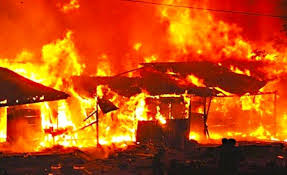
The Ghana National Fire Service (GNFS) has identified five main causes of fire outbreaks in the country, even as it reports a significant reduction in fire incidents, deaths, and injuries for the first quarter of 2026.
According to the Service, fire incidents fell by 10.02 per cent over the period under review. Fire-related deaths reduced by 53.5 per cent, while injuries declined by 62.79 per cent. Bushfires also recorded a 10.2 per cent drop, and prank calls to emergency lines decreased by 17.8 per cent.
The GNFS further reported a substantial improvement in property protection, with the value of salvaged assets rising sharply to GH¢479,457,385.00 from GH¢151,026,471.40 in the same period in 2025, representing an increase of 217.47 per cent.
Out-of-Arrival (OOA) cases also rose to 651, compared to 558 in 2025, reflecting improved public response and early containment of fires before firefighters arrive at the scene.
Despite the positive trends, the Service outlined five key drivers of fire outbreaks that continue to pose risks nationwide:
- Electrical faults and misuse of appliances
Faulty wiring, power surges, and improper use or overloading of electrical appliances remain a leading cause of fires in homes and workplaces. - Unattended cooking and LPG leakages
Fires resulting from unattended cooking and poor handling of liquefied petroleum gas (LPG) cylinders continue to feature prominently. - Indiscriminate burning of refuse and bushfires
Uncontrolled burning of waste and vegetation remains a major contributor to bushfires and property destruction, particularly in peri-urban and rural areas. - Misuse of naked flames
Careless use of candles, mosquito coils, matches, and lighters continues to cause preventable fires, especially in residential communities. - Lightning and deliberate acts
Natural occurrences such as lightning strikes, as well as intentional acts of arson, were also identified as causes, though less frequently than other factors.
The GNFS attributed the overall improvement in fire statistics to intensified public education, strengthened emergency response systems, and increased community involvement in early fire control.
It noted that the rise in Out-of-Arrival cases reflects improved public capacity to contain fires before they escalate, reducing damage and saving lives.
While commending the progress made, the Service stressed the need for sustained vigilance, particularly in addressing the identified causes, which are largely preventable through responsible behaviour and adherence to safety standards.
The GNFS reaffirmed its commitment to enhancing fire prevention education and improving rapid response capabilities nationwide, describing fire safety as a shared responsibility requiring continued public cooperation.
Latest Stories
-
Hawa Koomson pledges experienced and mature leadership of NPP women’s wing
41 minutes -
Young woman found dead at Kasoa Peace Town
1 hour -
Playback: The Law examined lawful arrest in Ghana
2 hours -
Mahama urges African governments to treat healthcare as an investment, not budget cost
2 hours -
Bawumia congratulates John Boadu and new NPP executives, pledges support ahead of 2028
2 hours -
‘No talent should be left out’ – Bawumia pledges inclusive NPP campaign for 2028
2 hours -
Prof. Mike Oquaye recounts how he blocked the Special Prosecutor’s attempt to arrest Bawku Central MP
3 hours -
Make health sovereignty a priority for Africa – Mahama
3 hours -
Dorimon Naa, Wa West DCE lead massive clean-up exercise; threaten sanctions against recalcitrant residents
3 hours -
Photos from Adom FM Y2K Jam
3 hours -
Praye Tiatia steals the show at Adom FM Y2K Jam [Watch]
3 hours -
Boakye Agyarko congratulates John Boadu, pledges support for NPP leadership
3 hours -
Antwi HiMight thrills fans with Antwi ne Antwi hits at Adom FM’s Y2K Jam [Video]
4 hours -
Amb. Edward Boateng congratulates Boadu, Kodua on election wins
4 hours -
John Boadu pledges to rebuild NPP from grassroots and restore ‘winning machinery’
4 hours