

Audio By Carbonatix
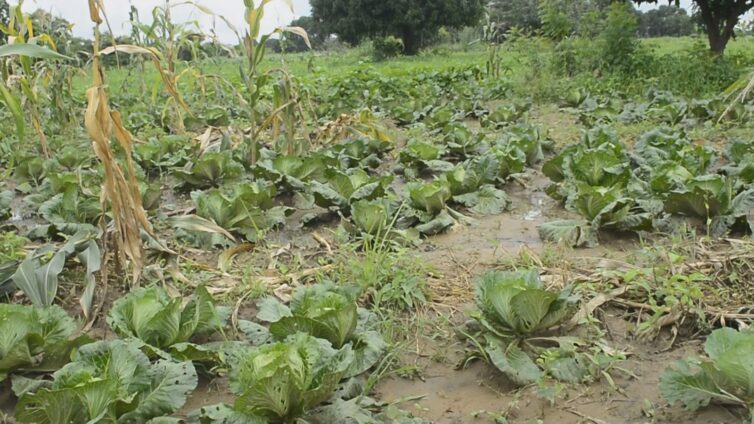
Flooding along the White Volta River, worsened by erratic rainfall and recurring spillage from the Bagre Dam, is destroying farms and deepening poverty in parts of Ghana’s North East Region.
Communities such as Nalerigu in the Nalerigu-Gambaga District and Wulugu are among the hardest hit, where once-thriving farmlands have been reduced to flooded plains.
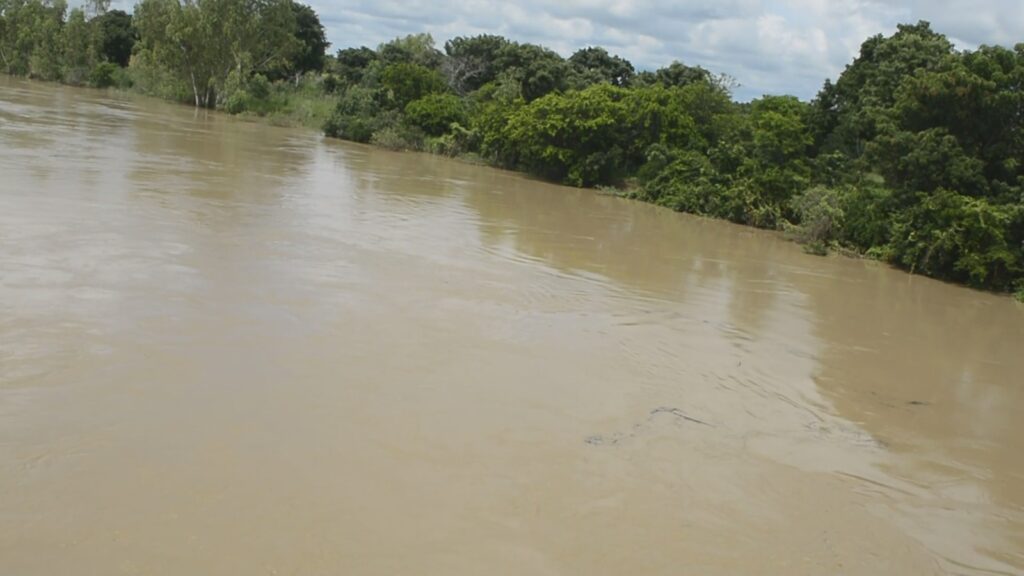
Along the banks of the river, farming is no longer just about planting and harvest. For many, it has become a struggle for survival.
Lamisi Ayiebu, a rice farmer in the area, says repeated flooding has wiped out her crops and forced her to find alternative means of survival.
“I cultivate rice and soyabeans. When it floods, our crops are destroyed. Also, because of the poverty in this area, we don’t have money to do any other business,” she said.
Now, she sells firewood to feed her family.
Experts warn the situation is worsening.
Asaah Mohammed, a professor at the University of Technology and Applied Sciences, attributes the persistent flooding partly to changes in the river’s structure.
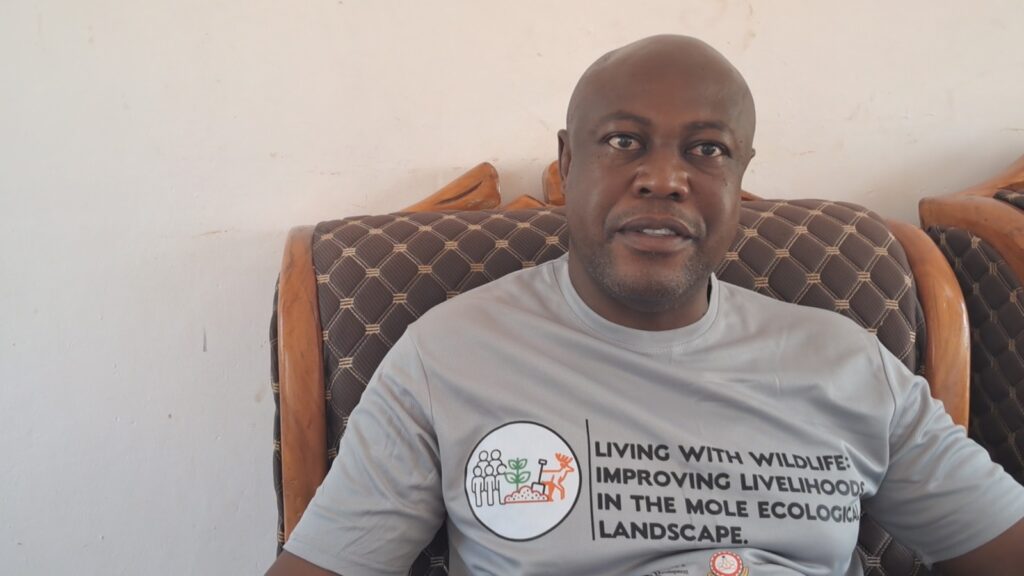
“Looking at the volume of water and the perennial flooding, if you take a downshot from Sapeliga to the Bawku area, you will see the water has silted. So it is not really about the volume of water, but the depth of the river has reduced drastically,” he explained.
Climate variability is compounding the problem.
According to Eric Asuman, Director-General of the Ghana Meteorological Agency, rising temperatures are driving unpredictable rainfall patterns.
“The rising temperatures are causing erratic rainfall, making it difficult to predict. When you don’t expect some conditions, they come, and when you expect them, they don’t. It is because of these warming conditions,” he said.
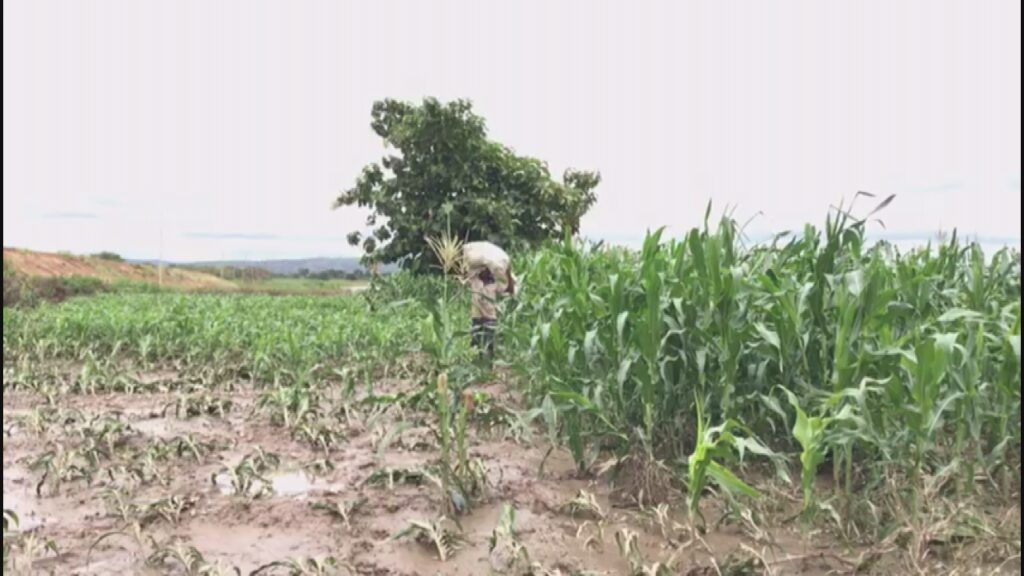
For farmers, the impact is immediate and devastating.
Saidu, a farmer in Nalerigu, says annual flooding has made farming increasingly uncertain.
“Every year when we farm, the water comes to destroy it. So the low yield is not our fault; it is the fault of the rain,” he lamented.
Another farmer, Laari Jennifer, says the dual impact of drought and flooding has left her trapped in a cycle of loss.
“I cultivate maize and rice. While my maize farm did not have enough rain, the rice farm was destroyed by the flood from the White Volta,” she said.
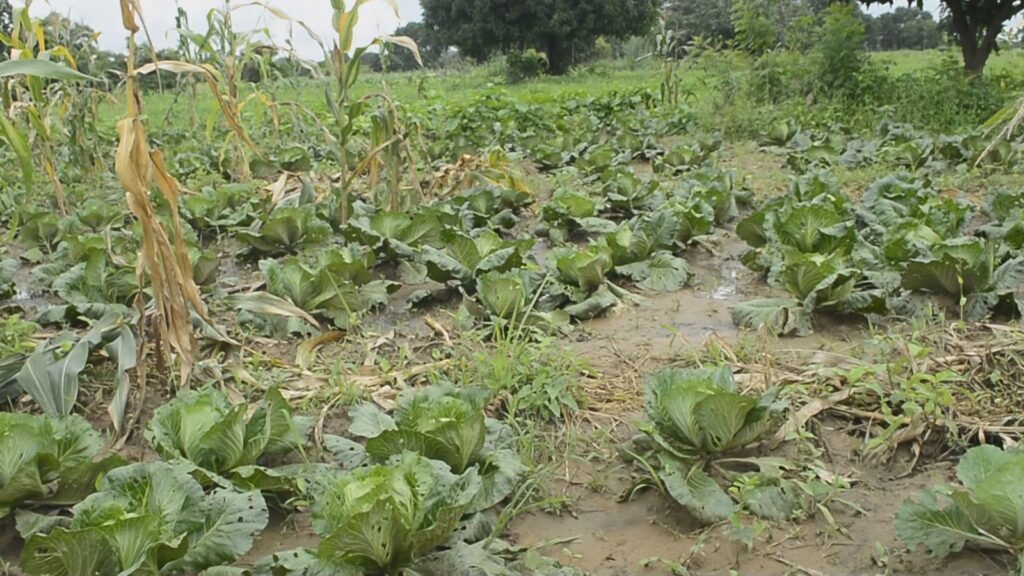
With each failed harvest, food supplies continue to shrink, incomes are wiped out, and communities face growing food insecurity.
Professor Asaah Mohammed is calling for urgent measures to mitigate the impact, including improved river management and better coordination of spillage from the Bagre Dam.
He also urged Ghana to adopt best practices from Burkina Faso, where sections of the river are better protected.
“If you look at activities on the White Volta and compare them to how the Burkina Faso side is protected, you will see trees are well planted along the river. Their side is deeper and not silted, and animals have designated points to drink from,” he noted.
For generations, the White Volta River has sustained livelihoods.
Today, it threatens them.
Without urgent intervention, many farmers may be forced to abandon the land that has supported their communities for decades.
Latest Stories
-
UTAG-UG threatens strike on October 19 over unpaid allowance
1 minute -
Let The Constitution direct Chieftaincy to deliver “All Development Is Local”
1 hour -
John Jinapor outlines renewable energy, nuclear power priorities for 2027
2 hours -
Ghana explores centre of excellence for hearing, communication and cochlear implant care
3 hours -
Schizophrenia-related disorders lead mental health cases recorded in Ghana
3 hours -
Dutch authorities enlist Ghana in hunt for fugitive drug lord Bolle Jos
3 hours -
Ghana housing finance conference adopts communiqué to improve affordable housing access
8 hours -
Special Initiatives Minister urges Wa Technical Institute to enrol more girls as EU-backed solar training lab opens
8 hours -
In the matter of my first year at the Bar
8 hours -
ActionAid Ghana calls for an end to child marriage, greater investment in girls’ rights
8 hours -
Newsfile to tackle World Cup visa scandal, beach demolitions, education strikes, BRICS bid
9 hours -
UK-Ghana Trade & Investment Summit: Trade Resource Centre to help businesses maximise UK-Ghana trade opportunities
9 hours -
Embassy of Denmark celebrates World Maritime Day
9 hours -
Linking LEAP to productive inclusion could cut extreme poverty by 2030 – UNICEF
10 hours -
Trade Ministry backs use of creative arts to rehabilitate prison inmates
10 hours