

Audio By Carbonatix
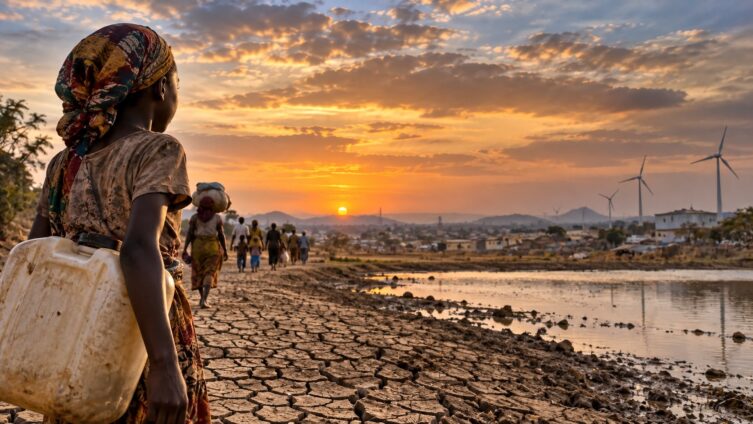
Climate change is often described as an environmental challenge. But for communities facing drought, floods, declining harvests or water shortages, its consequences are immediate. They affect livelihoods, food prices, migration and community stability.
Climate change does not automatically cause conflict. However, where tensions already exist, pressure on land, water and food can make them harder to manage.
That poses a challenge for peacebuilding.
For decades, conflict prevention has focused on diplomacy, political negotiations and security institutions. These tools remain essential. Yet lasting stability also depends on how societies manage the resources people rely on every day.
Water is a clear example.
Rivers, lakes and underground water systems cross national borders, while agriculture, industry and households depend on reliable supplies. Competition over water need not become a source of confrontation. With effective agreements, shared resources can encourage countries to cooperate.
Food security presents another challenge. Extreme weather can disrupt agricultural production, affect household incomes and drive up food prices. Communities with limited resources have fewer options when such shocks occur.
Displacement can add another layer of pressure. When people leave their homes due to environmental or economic difficulties, the communities receiving them may face additional demands on housing, employment and public services.
But the climate-security relationship is not only about risk. It can also create opportunities for cooperation.
Governments can collaborate on water management, climate-resilient agriculture, renewable energy and infrastructure. Such initiatives can protect livelihoods while creating incentives for cross-border cooperation.
Peacebuilding therefore needs to become more preventive. Governments and international organisations need to identify vulnerabilities before they escalate into crises, while local communities should have a role in decisions affecting their resources.
The private sector can contribute by investing in resilient infrastructure, clean energy and sustainable agriculture.
The challenge is finding ways to address environmental pressures before they escalate into deeper social and security problems.
The lesson is clear: security cannot be separated from the conditions of people's lives.
Building peace in the years ahead will require more than negotiating ceasefires. It will also require addressing the environmental and economic pressures that can leave communities vulnerable.
Climate action and peacebuilding are part of the same conversation.
Latest Stories
-
Trump says he is considering firing US ambassador to Greece
1 hour -
Man City bananas ‘brought fun back’, says Varadi
1 hour -
Meta releases Muse Wonder AI models to challenge Anthropic and OpenAI
2 hours -
Daily Insight for CEOs: The CEO as Chief Decision Maker
2 hours -
Burnham had formal meeting with Man City chair while mayor
2 hours -
Is Ghana producing too many lawyers? What is the best lawyer-to-citizen ratio?
2 hours -
NDC sinking Ghana’s democracy with Emelia Agbenyo’s appointment – Miracles Aboagye
2 hours -
Seedorf back in football as Corinthians head coach
2 hours -
Hincapié and Zubimendi injured in post-match training session
2 hours -
Fridges in French supermarkets hit by cyberattack
2 hours -
Qantas flight grounded after bedbug outbreak
3 hours -
Reality Zone with Vicky Wireko: International Day of the Girl, shaping today’s girl for tomorrow’s future – ZONTA Clubs lead the way
3 hours -
Global health must be led by countries, not designed for them – Mintah Akandoh
4 hours -
Mahama honoured at 2026 World Health Summit in Berlin for global health leadership
4 hours -
Breast cancer is not a death sentence – Besease Kontire Obaapanin, Magmina Foundation lead awareness campaign
4 hours