

Audio By Carbonatix
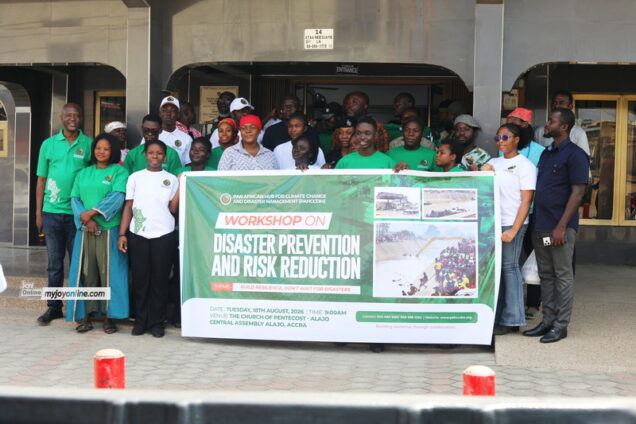
In the heart of flood-prone Alajo, a suburb of Accra, an intensive workshop was held on Tuesday to educate community members on disaster prevention and management.
Organised by the Pan African Hub for Climate Change and Disaster Management (PAHCCDEM) under the theme “Build Resilience, Don't Wait for Disaster”, participants were taken through disaster risk reduction, risk mapping, and community risk assessments.
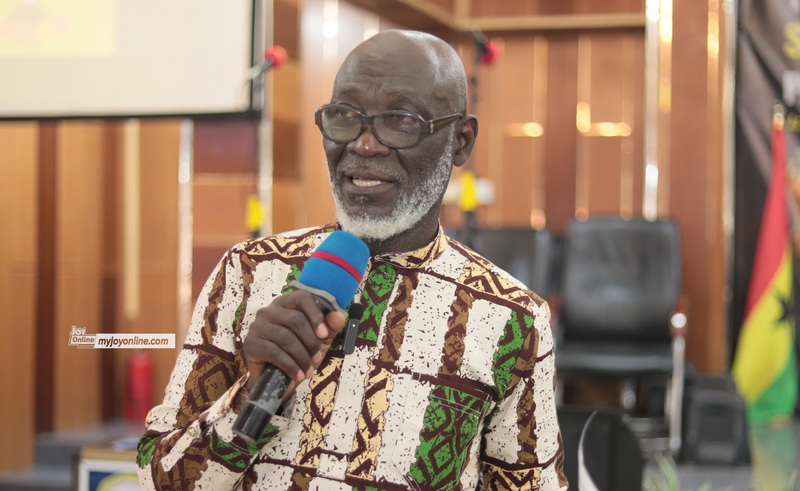
“Disaster Risk Reduction Is Everybody’s Responsibility Climate Change and Disaster Management Expert, Dr. Abrokwa Koranteng, who was the resource person, said disasters have become a major concern for communities like Alajo, where flooding and poor sanitation remain persistent challenges. “The purpose of the workshop is to sensitise and train community leaders, residents and relevant state agencies on disaster risk reduction,” he said. “We want participants to understand how to identify hazards, vulnerabilities and levels of exposure within their communities so that they can properly plan and take measures to reduce risks. “As part of the training, participants were equipped with knowledge in risk mapping, risk assessment, and how to strengthen coping capacities before, during, and after disasters. Koranteng said this knowledge is important at both community and household levels. “People must understand the risks within their immediate environment, how to prevent disasters where possible, how to mitigate their impact, and how to respond effectively when they occur,” he stated.
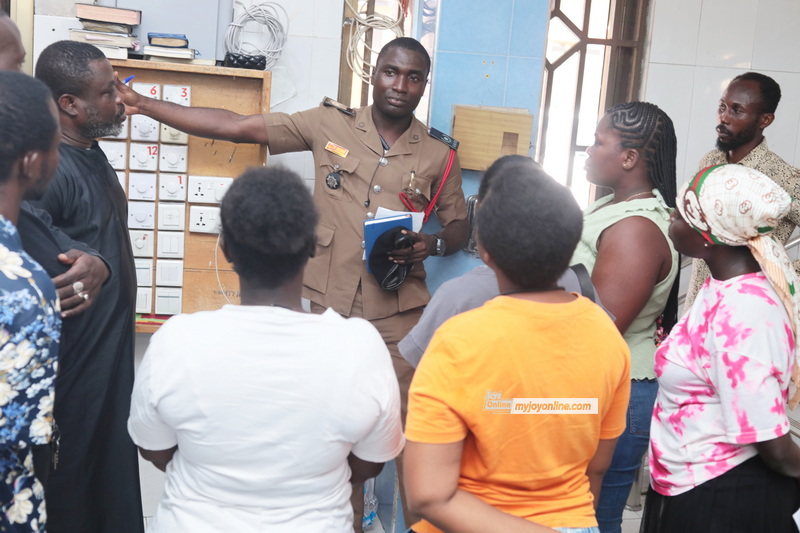
He also educated participants on the Sendai Framework for Disaster Risk Reduction, the global framework guiding countries to prevent new risks and reduce existing ones. A key priority under the framework, he noted, is investment in disaster risk reduction.
Government and Citizen Roles. Koranteng stressed that government has the primary responsibility to lead disaster risk management.
This includes providing infrastructure, strengthening enforcement, and equipping state agencies. “When it comes to flooding, government must invest in adequate drainage infrastructure to ensure drains have sufficient capacity to carry stormwater during heavy rainfall,” he said.
He added that there must also be effective enforcement of sanitation and environmental laws. “People should not be allowed to dump refuse into drains or engage in activities that obstruct waterways.
When our drainage systems are kept clear, rainwater can flow freely, and the risk and severity of flooding can be significantly reduced. “While government must lead, Dr. Koranteng said disaster risk reduction is a shared responsibility. “Every individual must recognise that he or she has a role to play.
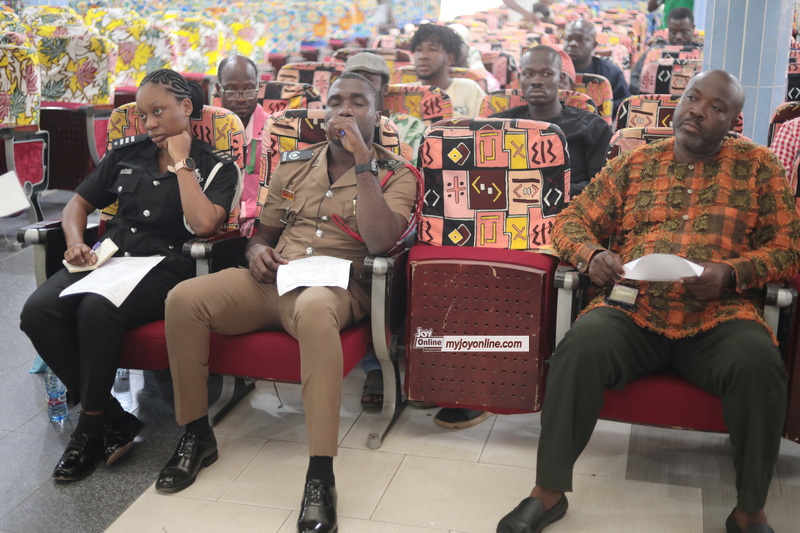
When floodwaters enter your home, the impact is felt personally before it becomes a national problem. “He described disaster risk reduction as a human rights issue. “Every person has the right to live in a safe and secure environment.
If you dump refuse into a gutter, and that contributes to flooding, you are potentially infringing on another person's right to live safely.” In many instances, it is human activity and poor planning that increase the risks. When we build indiscriminately and obstruct waterways, we increase our vulnerability,” he added. Disaster risk reduction is everybody's responsibility.
Government must lead, institutions must act, communities must prepare, and individuals must behave responsibly. ”Education, Education and More Education.
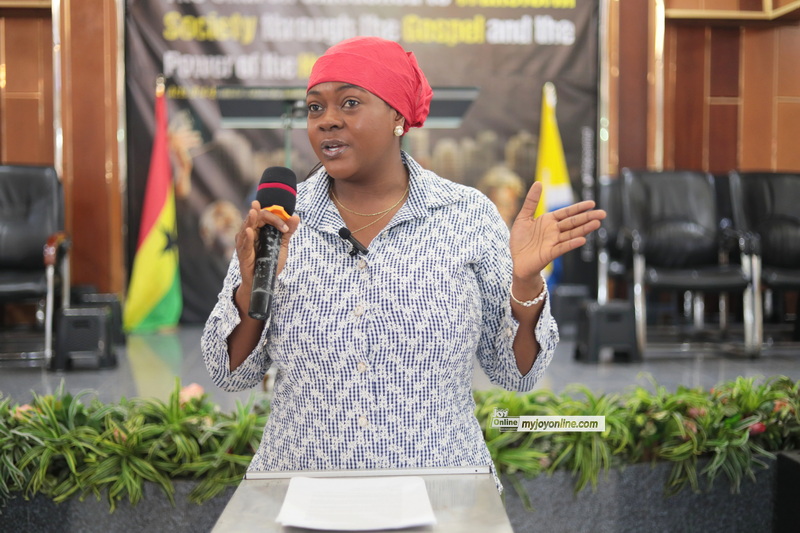
In an interview after the workshop, Board Member of PAHCCDEM, Jamila Osman, said grassroots education is the most important tool for reducing disasters. “Many of the challenges communities face today stem from a lack of knowledge.
Education, education and more education,” she said.
She noted that climate change is often presented in a theoretical way. “But climate change is not someone else's problem.
It affects all of us, from adults to children and from individuals to entire communities.
Ms. Osman said PAHCCDEM chose Alajo because the community was severely affected by recent floods. “Ghana has largely been reactive in dealing with disasters.
If we genuinely want to make an impact, preparations must begin six or seven months ahead of time. That is why we are starting with community awareness and education. “She added that the Hub intends to take advocacy to marketplaces, public spaces, and social media, and engage influencers to spread accurate information on issues like plastic pollution and waste management.
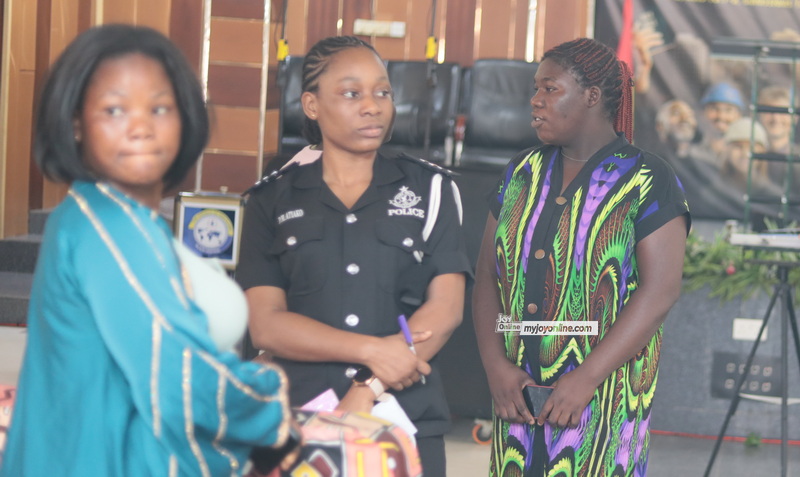
Capacity, Collaboration and Coordination Lead Consultant of the organisation, Mr. Emmanuel Alasidongor Baluri, said building flood resilience will require capacity building, collaboration, and better coordination. “No single individual or institution can address flooding alone. There must be synergy among state institutions, civil society, the private sector and communities. The state must lead while others rally around,” he said.
He called for an end to duplication of interventions and urged government to enforce regulations on dumping in gutters and building on waterways. “With proper coordination, discipline and concerted action, we can significantly reduce Ghana's vulnerability to flooding and other disasters,” he concluded.
Latest Stories
-
Interest payments to average a high 20% of government revenue over next 4 years
17 minutes -
Strategy of accumulating foreign reserves, gold carries high fiscal cost – S&P Global
32 minutes -
Weak institutional arrangements, high debt servicing constrain Ghana’s rating – S&P
38 minutes -
Bond market: Turnover declined by 28% to GH¢1.56bn
1 hour -
Volta Region National Public Speaking contest advances drug prevention conversation
1 hour -
New health training facility at Ampoma-Jema to address admission shortfalls, but Minister flags missing amenities
2 hours -
Black Challenge unveiled with sights set on Amputee World Cup glory
2 hours -
Pay striking teachers before expressway spending, Dr Kingsley Agyemang tells government
3 hours -
Customs intercepts assault rifle, two pistols and 610 rounds of ammunition at Tema Port
3 hours -
PKO boxers secure wins at Odwira Festival
3 hours -
South Tongu Records Rise in Teenage Pregnancy
3 hours -
Cabinet threw out US health compact faster than anything I’ve seen – Mahama
3 hours -
MoFA urges Finance Ministry to reverse World Bank food programme withdrawal over GH¢643m commitments
4 hours -
NAGRAT demands signed timelines before calling off strike
4 hours -
National Investment Quiz: West Africa SHS, St. Louis SHS advance to semi-finals
4 hours