


Audio By Carbonatix
“There is an established relationship between extreme heat and mental health.”
That is the warning from Prof. Ebenezer Amankwaa, a Senior Lecturer and researcher at the Geography Department of the University of Ghana, who says prolonged exposure to high temperatures is increasingly being linked to anxiety, aggression and irritability.
“A lot of people who have been exposed to prolonged temperatures tend to be aggressive, anxious and irritated, and we have established that this can be traced to the temperatures they are enduring,” he said.

In Chorkor, residents say worsening heat conditions are already taking a toll not only on their physical comfort, but also on their mental well-being, as climate change continues to intensify temperatures across coastal communities.
Just steps away from the ocean, many say relief from the heat is becoming increasingly difficult, with homes trapping warmth and nights offering little respite.
Researchers are now linking prolonged exposure to extreme heat to symptoms such as fatigue, anxiety, irritability and mental exhaustion, raising concerns about a growing but often overlooked public health issue.
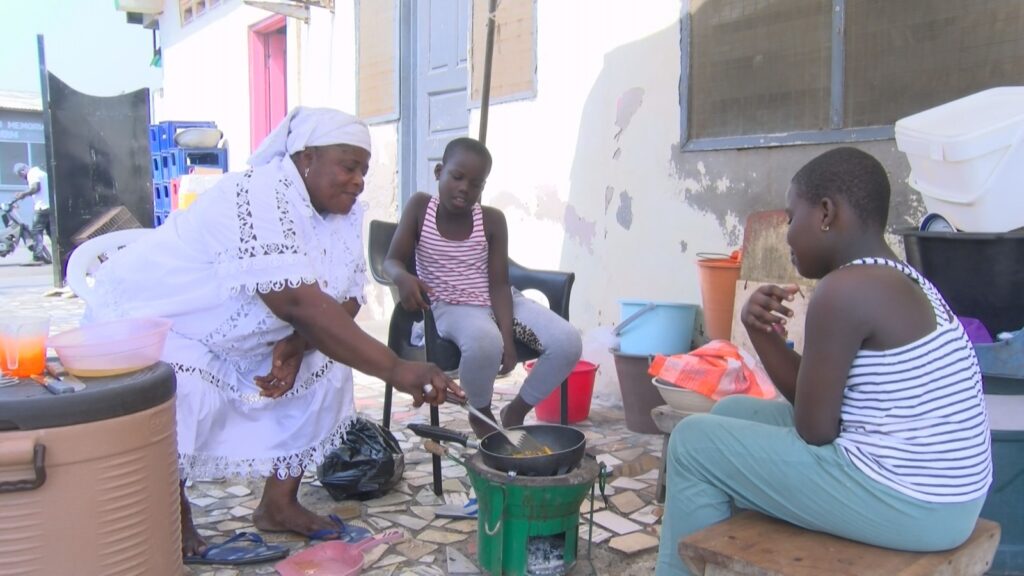
Despite its coastal location, Chorkor’s dense and unplanned settlement structure is worsening the heat, with poor housing design, overcrowding and restricted airflow making conditions unbearable.
“As I am standing here, I feel like sleeping, but for me to enter the room to sleep, no, no, no. When you turn on the fan, you have worsened the situation,” Owusu, a resident, said.
Another resident, Nii, added, “The weather is very hot, and I live in an overcrowded settlement.”
The problem, residents explain, is compounded by human activity.
Owusu lamented, “One thing causing the heat is the way the houses are built. The rooms are not spacious, and they are filled with many things. When they burn rubbish and add that heat to the sun, imagine how you would feel. The heat here is not easy.”
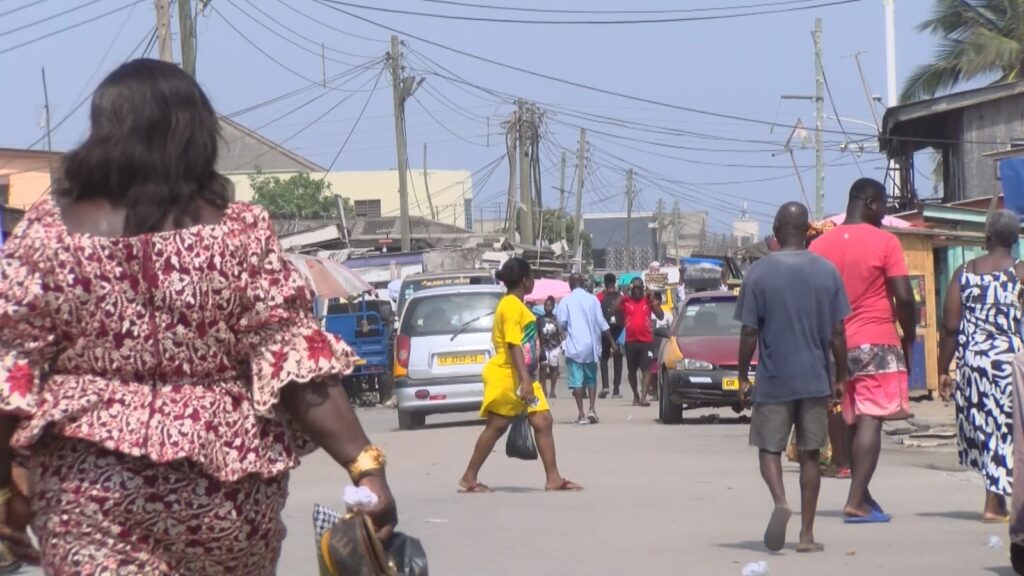
In this fishing community, livelihoods depend heavily on daily work that cannot be paused, even under extreme conditions.
Fish processors, traders and fishermen continue to work through the heat, often in enclosed spaces with additional sources of warmth.
Nii Ona ni Ona, the youth leader in Chorkor, said, “This is a fishing community and our women are fishmongers. Some of them have ovens in the house. So imagine the heat from the sun and that of the oven in an enclosed house. They both generate heat.”
For informal workers who rely on daily income, the stress is even more pronounced, as the need to work persists regardless of weather conditions.
At night, the situation offers little relief.
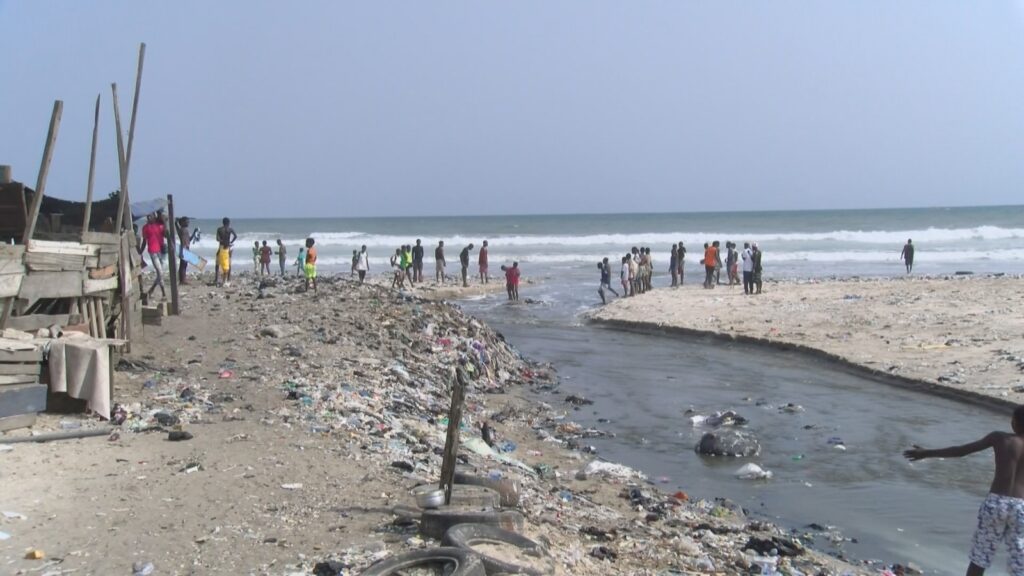
Residents say sleeping indoors becomes nearly impossible during peak heat periods, forcing many to sleep outside.
According to Edward Afful, “In the night when the light goes off, we all come and sleep outside. The heat here is no joke. The fan in the room makes no difference; you keep sweating,” noting that rooms only begin to cool after 2 a.m.
Communities like Chorkor are facing multiple climate-related pressures, including rising temperatures, coastal flooding and fragile housing systems, all of which compound existing vulnerabilities.
Experts say low-income communities are among the most exposed, as limited resources reduce their ability to adapt.
Professor Amankwaa explains that heat is not just about temperature, but how it interacts with environmental and socio-economic factors.
“There is a close relation between the income status of a community and their heat experience, because heat is not just temperature. It is temperature interacting with all the ambient factors,” he noted.
He is, however, advocating practical interventions to reduce the burden.
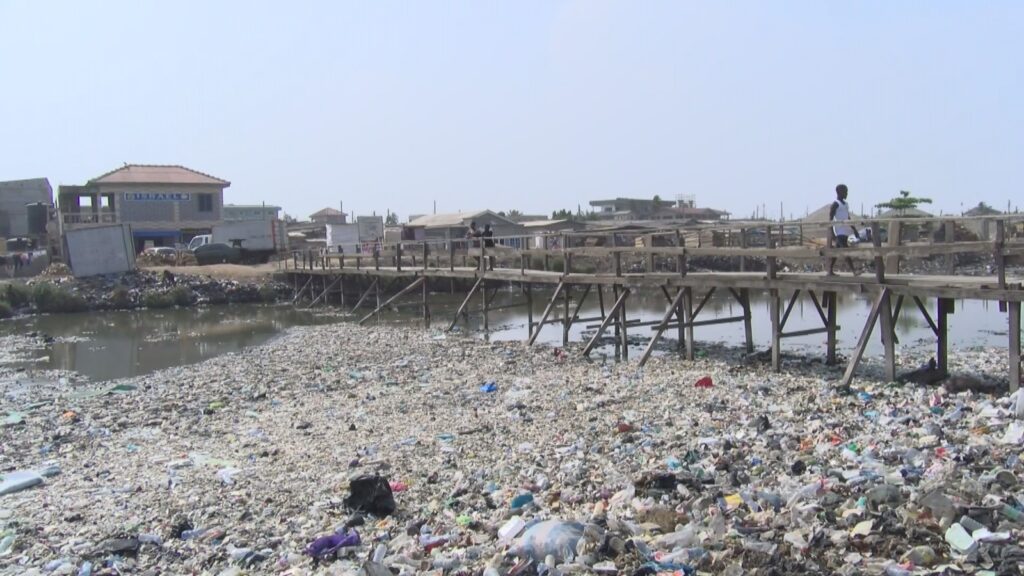
“These include improving building orientation to enhance airflow, reducing indoor heat sources and increasing public awareness about limiting exposure during peak heat periods,” he said.
Professor Amankwaa advised, “If we want to address the climate change and mental health nexus, people must be aware of their environment and limit their exposure to heat. We also need to check building orientation so it faces the direction of the wind. Intensive home fires also increase ambient temperatures.”
For residents of Chorkor, such interventions cannot come soon enough.
As temperatures continue to rise, the heat is becoming more than just a seasonal discomfort, it is a daily reality shaping health, livelihoods and survival.
Latest Stories
-
UTAG-UG threatens strike on October 19 over unpaid allowance
16 seconds -
Let The Constitution direct Chieftaincy to deliver “All Development Is Local”
1 hour -
John Jinapor outlines renewable energy, nuclear power priorities for 2027
2 hours -
Ghana explores centre of excellence for hearing, communication and cochlear implant care
3 hours -
Schizophrenia-related disorders lead mental health cases recorded in Ghana
3 hours -
Dutch authorities enlist Ghana in hunt for fugitive drug lord Bolle Jos
3 hours -
Ghana housing finance conference adopts communiqué to improve affordable housing access
8 hours -
Special Initiatives Minister urges Wa Technical Institute to enrol more girls as EU-backed solar training lab opens
8 hours -
In the matter of my first year at the Bar
8 hours -
ActionAid Ghana calls for an end to child marriage, greater investment in girls’ rights
8 hours -
Newsfile to tackle World Cup visa scandal, beach demolitions, education strikes, BRICS bid
9 hours -
UK-Ghana Trade & Investment Summit: Trade Resource Centre to help businesses maximise UK-Ghana trade opportunities
9 hours -
Embassy of Denmark celebrates World Maritime Day
9 hours -
Linking LEAP to productive inclusion could cut extreme poverty by 2030 – UNICEF
10 hours -
Trade Ministry backs use of creative arts to rehabilitate prison inmates
10 hours