

Audio By Carbonatix
African leaders, policymakers, development partners and private sector actors have called for a fundamental shift in how healthcare is financed across the continent, urging governments to prioritise domestic resource mobilisation, strengthen accountability and embrace innovation to build resilient health systems.
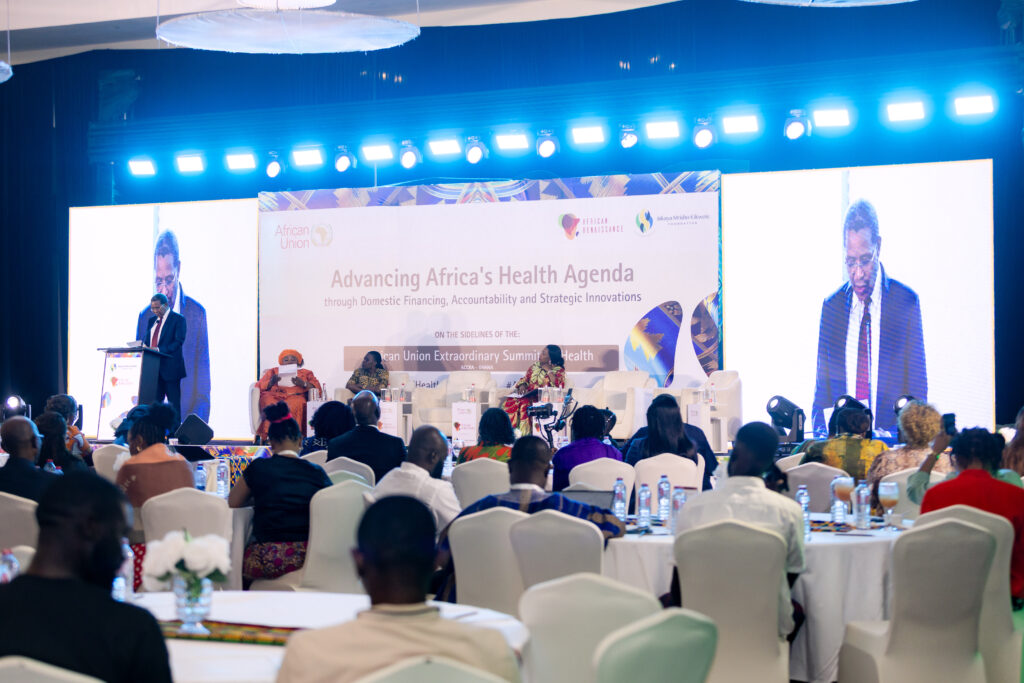
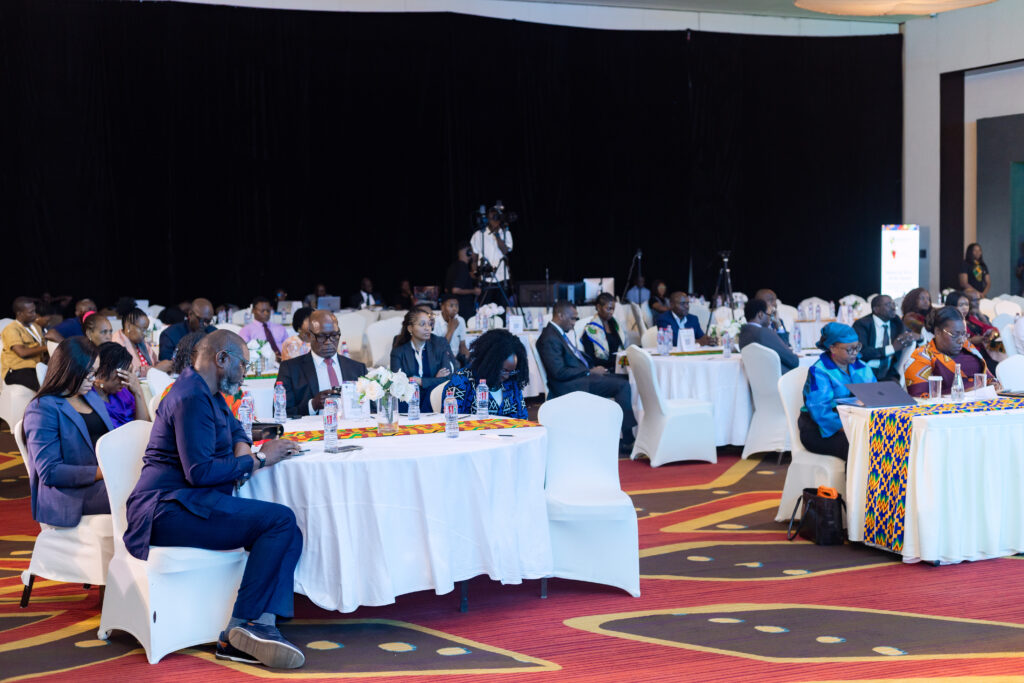
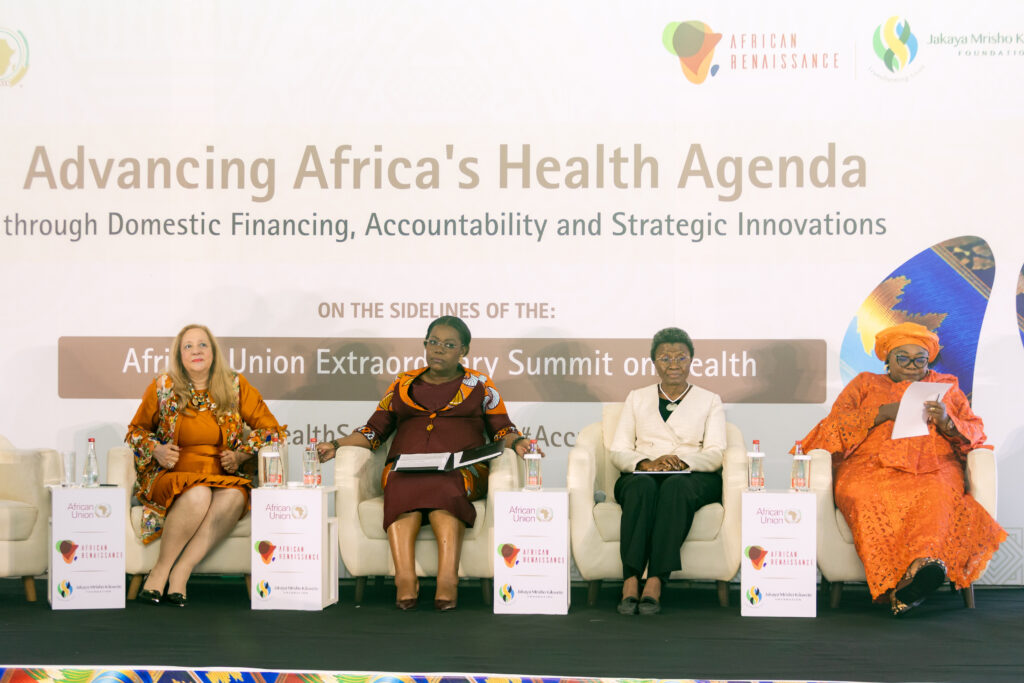
The call was made at a High-Level Interactive Policy Dialogue jointly organised by the African Renaissance Trust and the Jakaya Mrisho Kikwete Foundation at the Kempinski Gold Coast Hotel in Accra on Monday, July 20.
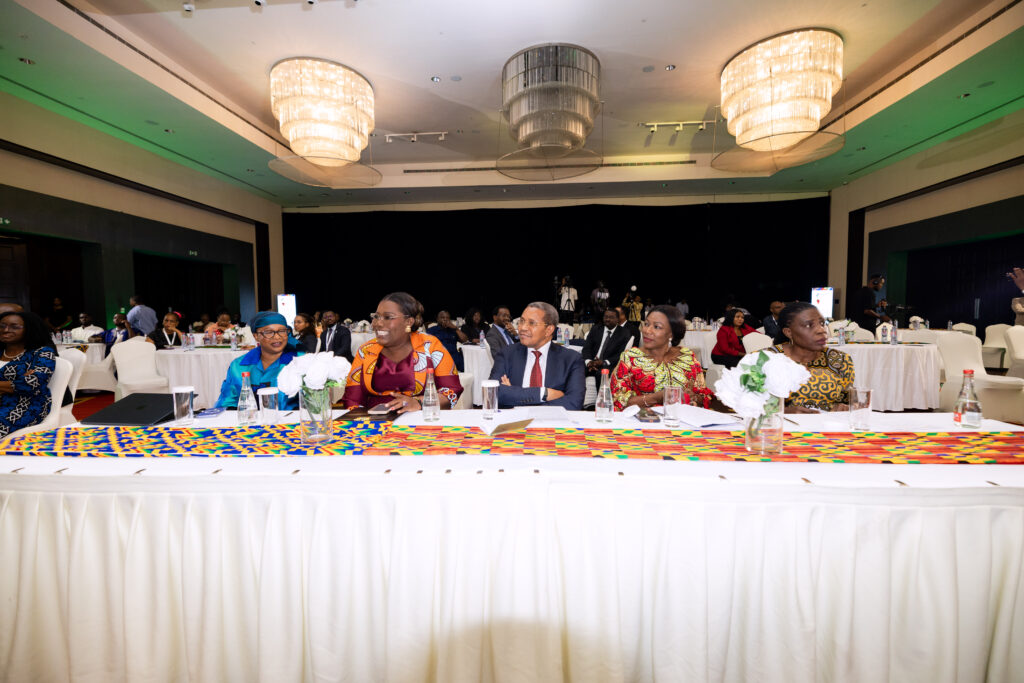
The event formed part of activities ahead of the African Union Extraordinary Summit on Ending AIDS by 2030, addressing preventable maternal deaths, communicable and non-communicable diseases endemic to the continent, and strengthening health systems by 2030.
Held under the theme "Advancing Africa's Health Agenda through Domestic Financing, Accountability and Strategic Innovations," the dialogue examined how African governments can bridge the gap between political commitments and implementation through sustainable financing and stronger governance.
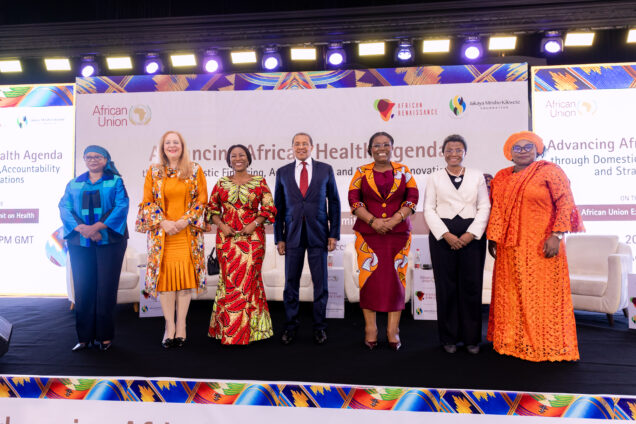
The forum brought together representatives of the African Union Commission, the Government of Ghana, the African Medicines Agency, Africa Leaders Malaria Alliance, Africa Business Council, the Gates Foundation, Regional Economic Communities, civil society organisations and development partners.
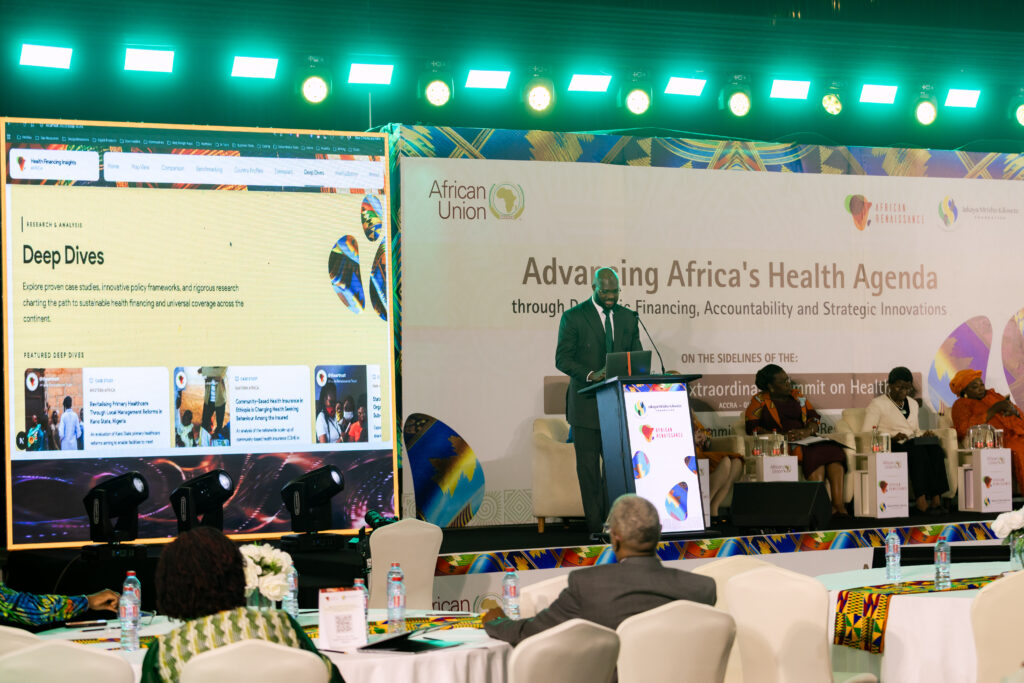
A major highlight of the event was the unveiling of the African Renaissance Health Financing Insights Dashboard, a continental accountability platform designed to help governments monitor health financing commitments, track implementation, identify funding gaps and improve coordination between Ministries of Health and Ministries of Finance.
Delivering the opening address, African Union Commissioner for Health, Humanitarian Affairs and Social Development, Ambassador Amma Twum-Amoah, said Africa had reached a defining moment in its quest to achieve universal health coverage and strengthen health security.
She said despite significant progress over the years, growing financing gaps, demographic pressures and emerging public health threats require African governments to take greater ownership of healthcare financing.
"Africa's health future must be financed sustainably and predictably, governed accountably and transformed through purposeful innovation," she said.
According to the Commissioner, health expenditure should be viewed as an investment in human capital, economic growth and national resilience rather than merely a social cost.
"External partnerships remain important and deeply valued. However, no health system can be truly sustainable if it depends predominantly on external assistance. Africa's health security cannot be outsourced," she stated.
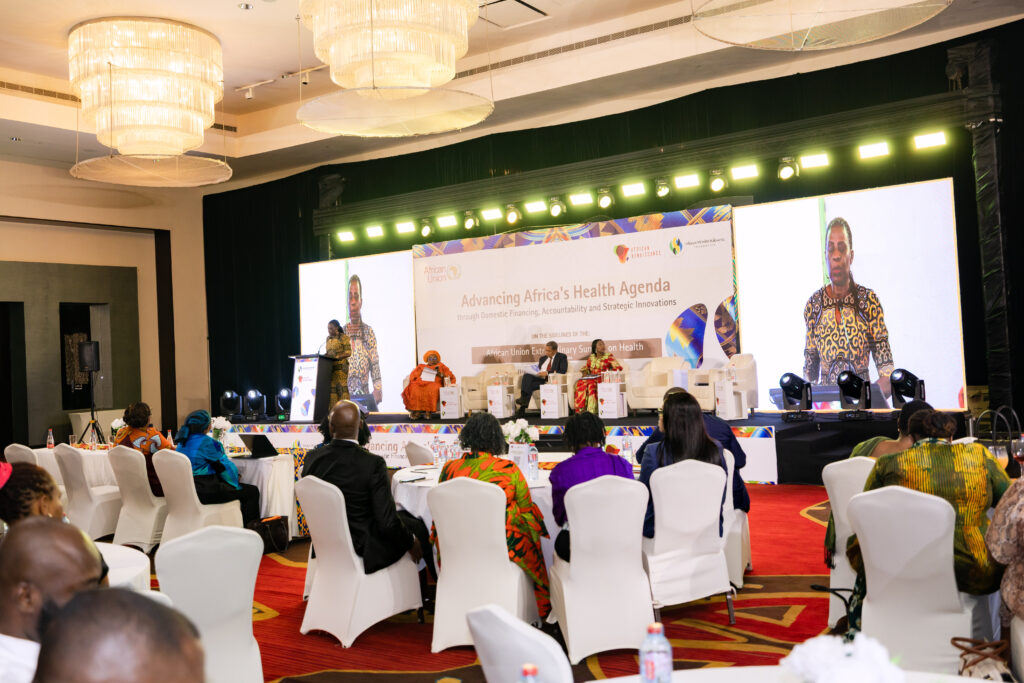
She urged governments to increase domestic investment in healthcare, improve public financial management and adopt innovative financing mechanisms while strengthening transparency in budgeting, procurement and implementation.
"Accountability must remain at the centre of health sector governance. Financing without accountability risks inefficiency. Accountability without reliable data becomes difficult to enforce," she added.
The former President of Tanzania and RMNCAH and Health Financing Advocacy Champion, Dr Jakaya Mrisho Kikwete, said changing global financing patterns make it imperative for African countries to finance their own health priorities.
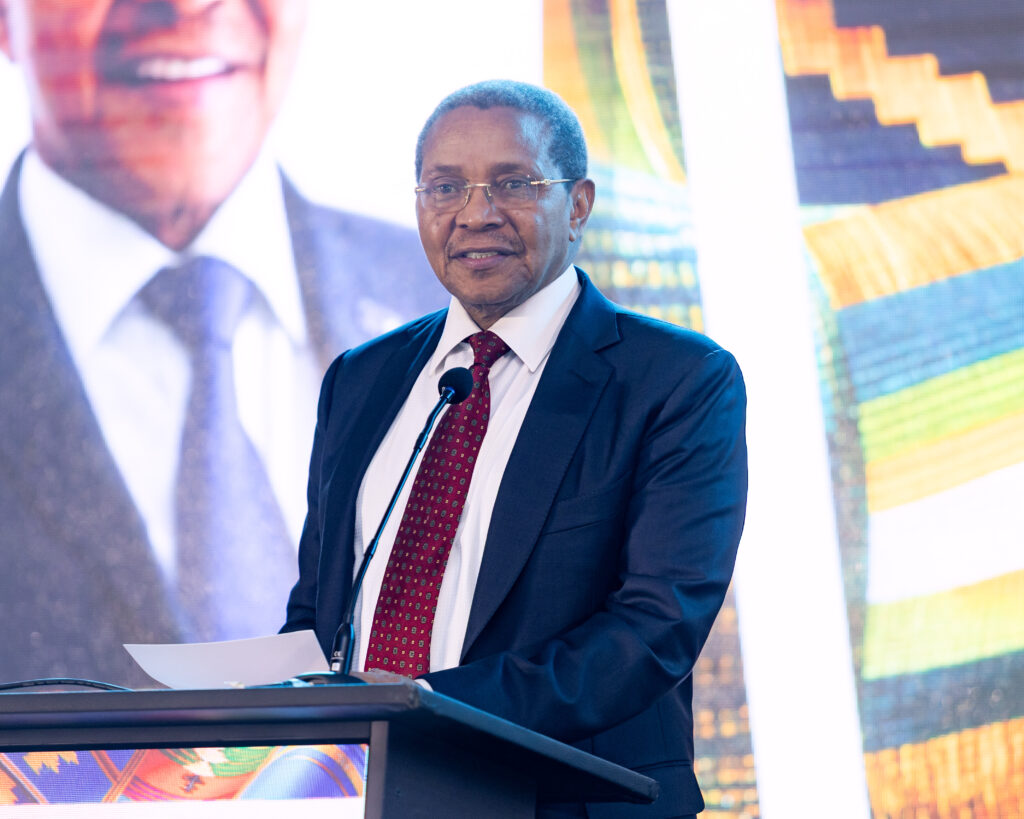
He disclosed that official development assistance declined by 23 per cent in 2025 while external health aid dropped by 40 per cent, the largest annual decline ever recorded.
"The historical model of heavy reliance on external aid is no longer sustainable," he said.
Dr Kikwete urged African governments to make national budgets the primary source of health financing while encouraging greater private sector investment.
He lamented that nearly 70 per cent of the world's maternal deaths occur in Africa despite the availability of technologies capable of preventing most of them.
"This is not a scientific failure. It is an implementation failure," he observed.
Drawing from Tanzania's experience, he said sustained investments in maternal and newborn health had helped reduce maternal mortality from more than 550 deaths per 100,000 live births to 104.
"The challenge before us is not invention but deployment, moving innovations from conference presentations into the hands of nurses, midwives and community health workers," he said.
Delivering a keynote address on behalf of Vice President Professor Naana Jane Opoku-Agyemang, Deputy Minister of Health Professor Grace Ayensu-Danquah said Africa must begin financing its own health priorities as donor funding becomes increasingly uncertain.
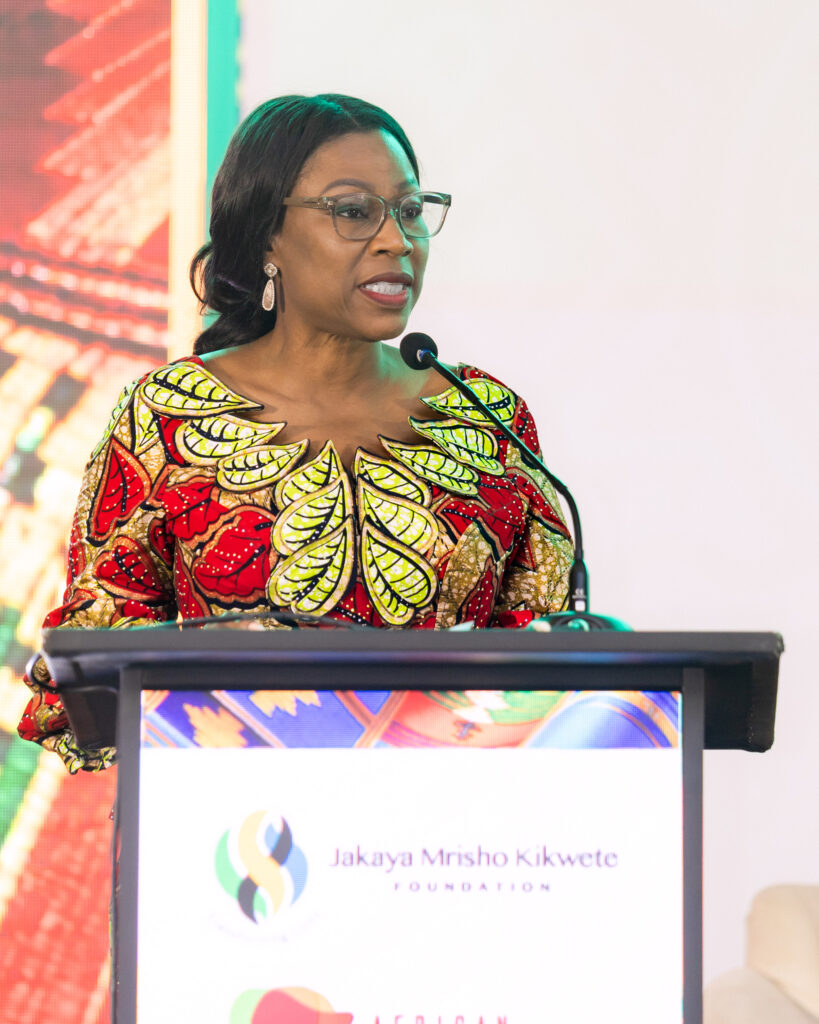
She said Ghana is pursuing universal health coverage through expanded access to healthcare, improved health outcomes and reduced out-of-pocket expenditure.
Among the government's flagship interventions are the Ghana Medical Trust Fund (MahamaCares) and the Free Primary Healthcare Initiative.
She explained that the Medical Trust Fund supports the diagnosis and treatment of chronic non-communicable diseases while investing in specialist healthcare infrastructure, research and training.
The Free Primary Healthcare Initiative, she added, focuses on preventive healthcare by providing free health screening, maternal and child healthcare, immunisation and community outreach services, beginning with 150 underserved districts.
Prof Ayensu-Danquah also announced that the government has committed $50 million as seed funding for the National Vaccine Institute to support local vaccine and pharmaceutical manufacturing.
She welcomed the African Renaissance Health Financing Insights Dashboard, saying it would improve transparency and accountability in health financing across the continent.
A panel discussion at the dialogue explored how Africa can translate political commitments into measurable improvements in healthcare delivery.
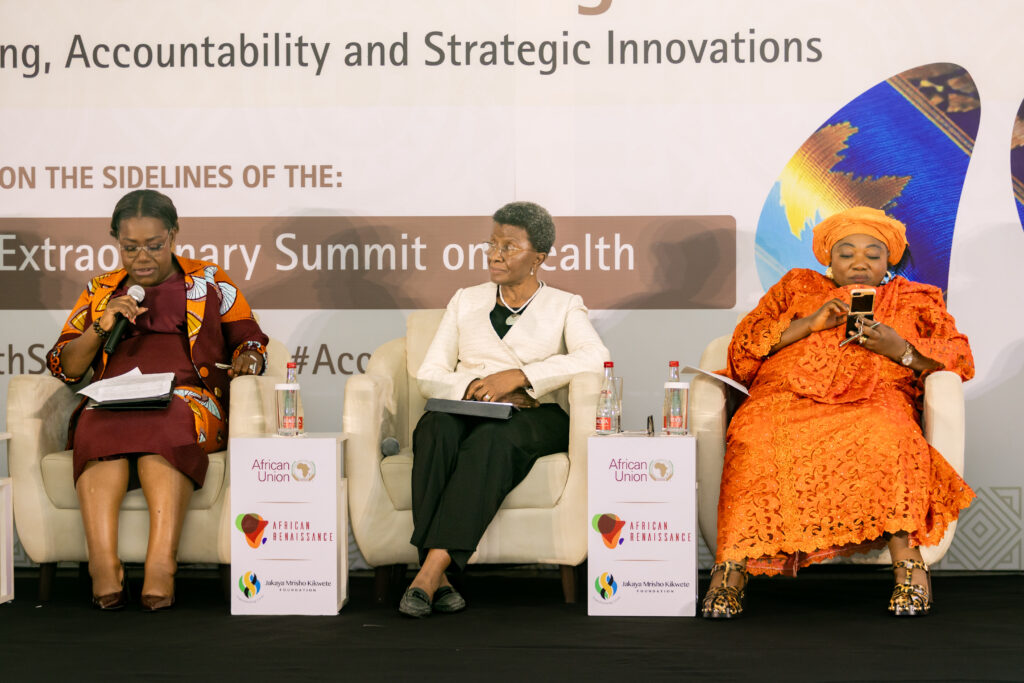
The Deputy Chief of Staff at the Presidency, Nana Oye Bampoe Addo, said the success of the Accra Reset initiative would depend on what she described as the "discipline of delivery."
She said Africa has never lacked declarations, frameworks or international partnerships, citing the Alma-Ata Declaration, the Abuja Declaration and global health initiatives.
"Our health story has never lacked ideas or partners," she said.
"The discipline of delivery is the distance between the commitment on paper and the service an African citizen receives."
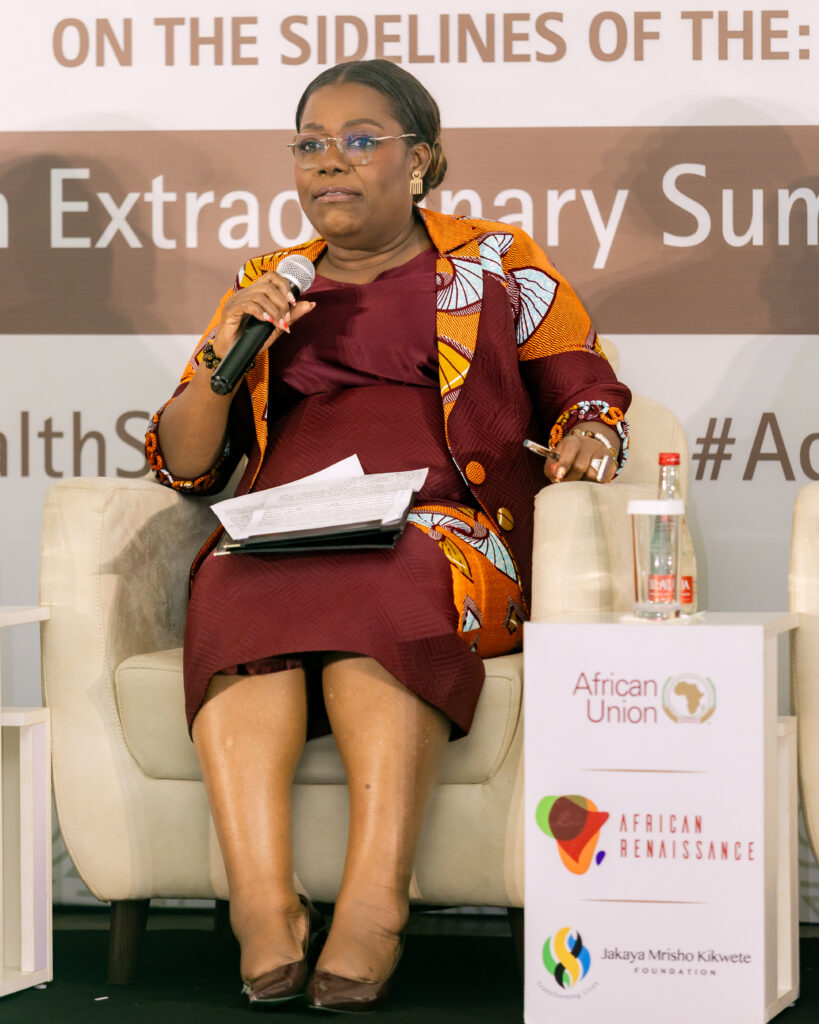
According to her, the Accra Reset places political leadership at the centre of implementation through a Presidential Council comprising sitting and former African Heads of State supported by a high-level panel and secretariat.
She explained that while the initiative welcomes international cooperation, it seeks to build a new global health architecture anchored on domestic resource mobilisation rather than dependency.
"We do not reject international cooperation. What we seek is to reset international cooperation and build it on domestic resource mobilisation."
Executive Secretary of the Africa Leaders Malaria Alliance (ALMA), Dr Joy Phumaphi, said accountability systems must focus on actions governments can take rather than merely tracking spending.
She explained that ALMA's scorecards assess whether countries integrate malaria into national development plans, reform regulatory frameworks and allocate adequate domestic resources.
"The key is using indicators that are actionable and that can hold governments accountable for results, impact and investment," she said.
She noted that National Malaria Councils and Funds established in several countries have mobilised more than US$300 million from private sector partners.
President of the Africa Business Council, Dr Amany Asfour, said Africa's private sector stands ready to help bridge the continent's healthcare financing gap but requires supportive government policies.
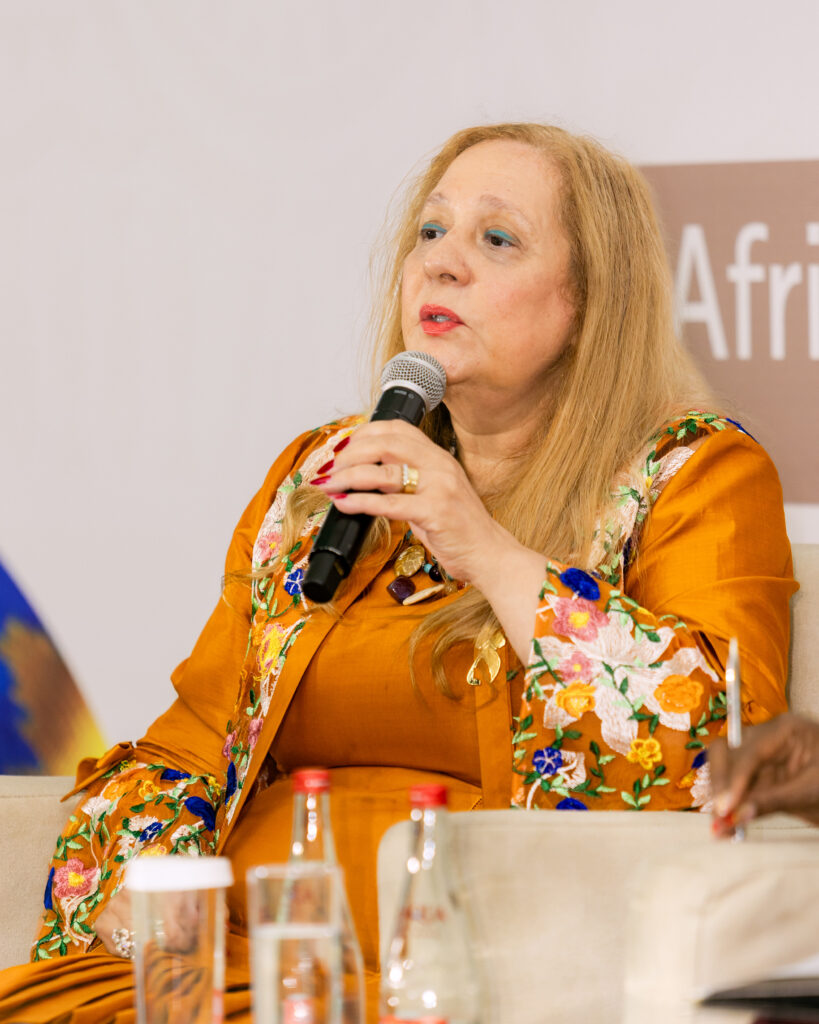
She said Africa continues to face severe shortages in healthcare infrastructure, revealing that while the continent requires about 2,400 radiotherapy machines, only about 450 are currently available, leaving 22 countries without a single machine.
She also cited shortages in diagnostic centres, maternity units, neonatal intensive care facilities and cardiac treatment equipment.
To address these gaps, she said the Africa Business Council has developed a continental healthcare investment programme worth nearly US$4 billion, targeting the establishment of 1,000 diagnostic centres and 200 radiotherapy laboratories across 37 African countries.
"We are ready to invest, but governments must empower Africa's own private sector through dialogue, predictable procurement systems and investment de-risking," she said.
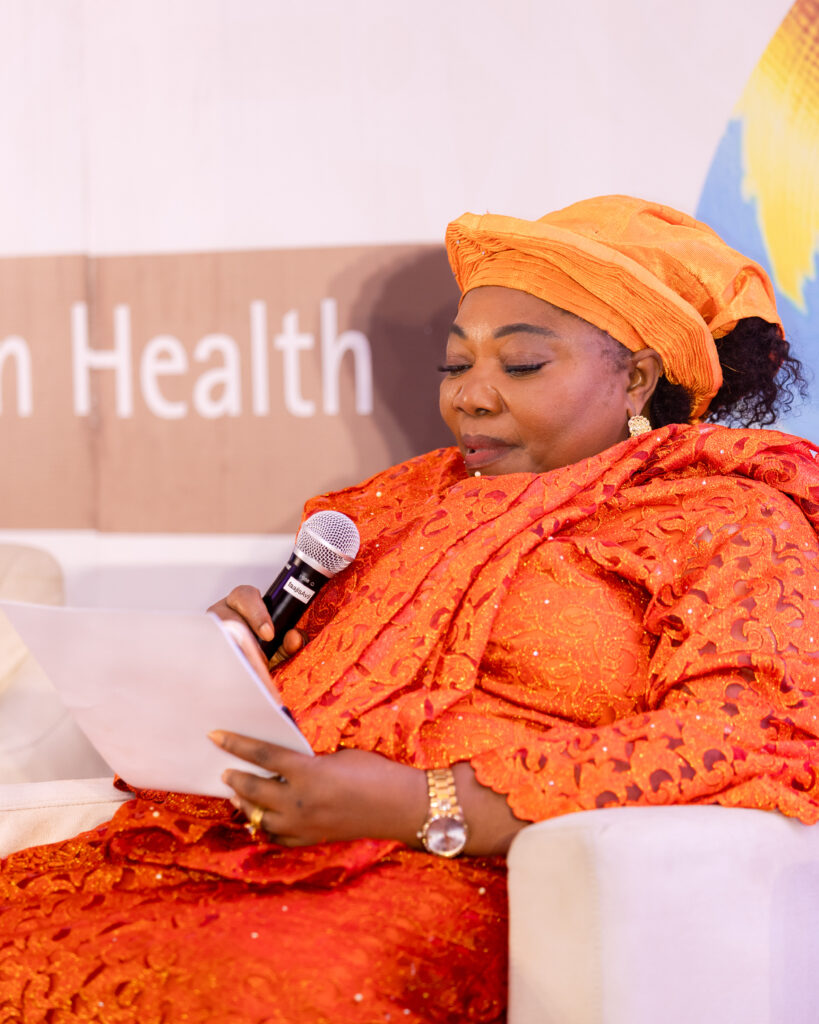
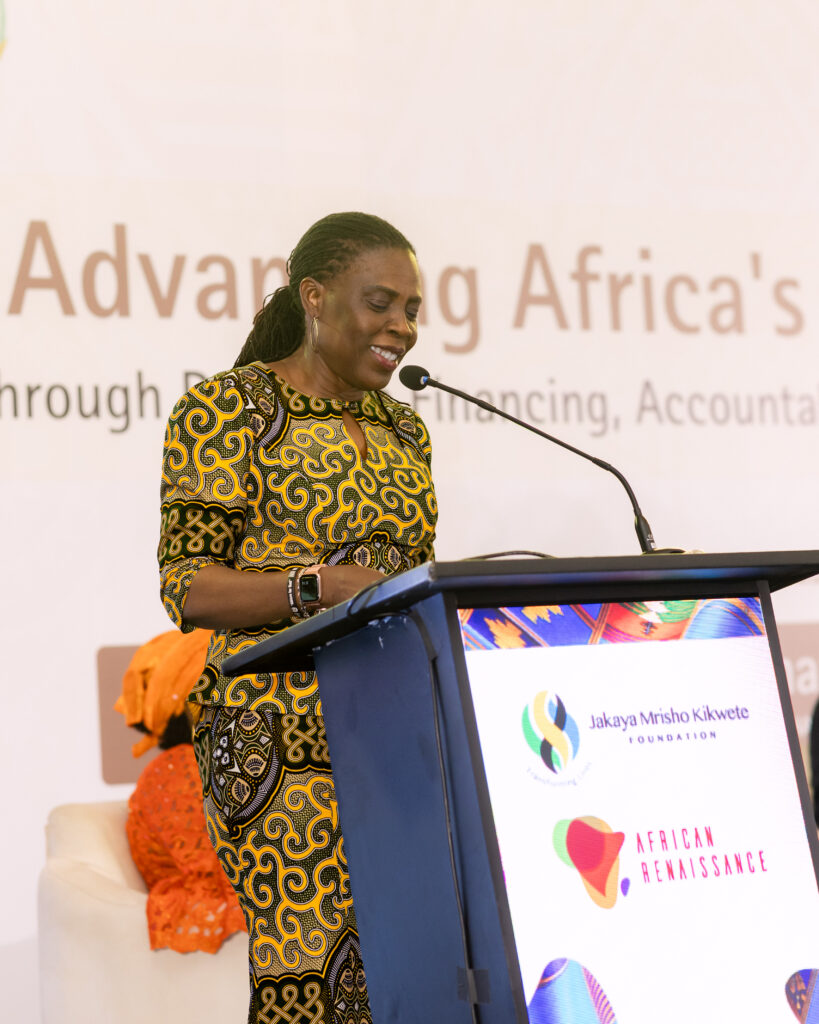
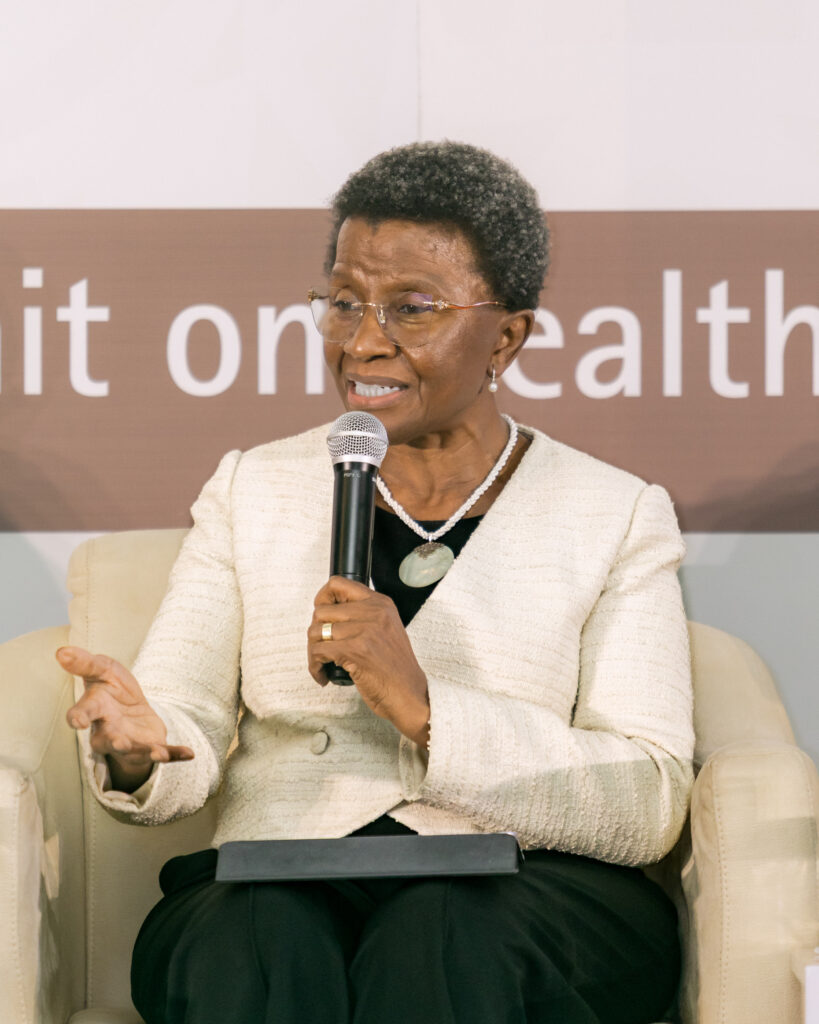
Former African Union Commissioner and member of the African Renaissance Trust Advisory Panel, Professor Sarah Anyang'-Agbor, described the operationalisation of the African Medicines Agency (AMA) as a historic opportunity to strengthen Africa's pharmaceutical industry.
She said regulatory harmonisation, joint scientific reviews and stronger collaboration between governments, academia and industry would help accelerate access to medicines, vaccines and other health technologies.
"We don't lack strategies. What we lack is implementation. We must move research from the shelf to industry and from industry to the people," she said.
She stressed that political commitment would ultimately determine whether the continent achieves meaningful improvements in healthcare.
"The ultimate measure of success is whether a mother can access safe medicines, whether a child can receive vaccines and whether communities benefit from innovations when they need them."
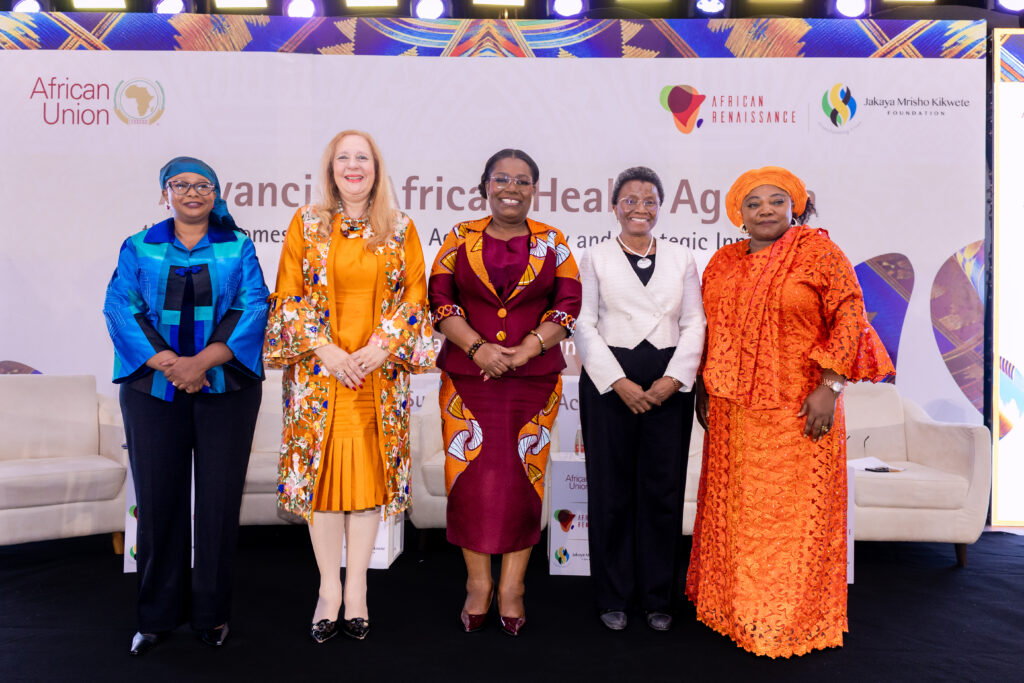
Participants agreed that achieving universal health coverage by 2030 will require African governments to translate declarations into action through stronger domestic financing, improved accountability, greater private sector participation and sustained investments in innovation and local manufacturing.
They expressed optimism that discussions from the Accra dialogue would inform concrete commitments at the African Union Extraordinary Summit and accelerate efforts to build stronger, more equitable and self-reliant health systems across the continent.
Latest Stories
-
‘Most important trophy now is the next game’ – Carlos Queiroz
5 minutes -
Ahafo Ano South West DCE laid to rest as Muslims hold final prayers
1 hour -
Ghanaian professor Kofi Akamani shot dead in US; wife arrested
2 hours -
Sammy Gyamfi says 2018 NACOC removal from port inspections weakened drug checks
2 hours -
Greater Accra region accounts for 77% of total secured credit in half-year 2026 – BoG
2 hours -
Founder’s Day: We face forward, but are we moving?
2 hours -
Sheenah Naturals unveils Akuaba Collection at Beauty Inside Out Conference
2 hours -
T-bills: 91-day, 364-day yields to trade slightly higher in second half of 2026
2 hours -
Black Stars: It’s our decision to leave Kudus to recover – Queiroz
3 hours -
Sammy Gyamfi backs Mahama’s directive to restore NACOC’s at ports
3 hours -
Queiroz provides insight into Kudus’ decision to withdraw from Black Stars squad
3 hours -
I’m not changing after 47 Years – Queiroz fires back at critics
3 hours -
Nkrumah Never Dies: Celebrating the visionary who awakened a continent
4 hours -
Hassan Ayariga calls for Ghanaian ownership in strategic investment deals
4 hours -
Black Stars: Thomas-Asante receives late call-up for September-October games
5 hours