

Audio By Carbonatix
The Minister of State for Climate Change and Sustainability, Seidu Issifu, has warned that the devastating effects of erratic rainfall, prolonged dry spells and failing crops in the Upper West Region pose a direct threat to livelihoods and human survival, urging Metropolitan, Municipal and District Assemblies (MMDAs) to take the lead in climate action.
Speaking through his Director, Administrator and Climate Finance Officer, Frank Nansam Aggrey, at a high-level stakeholder engagement at Fanco Hospitality in Wa, the Minister emphasized that climate impacts are intensely local.
For farmers dealing with drying rivers and communities facing food insecurity, the crisis demands immediate, localised adaptation and mitigation projects.
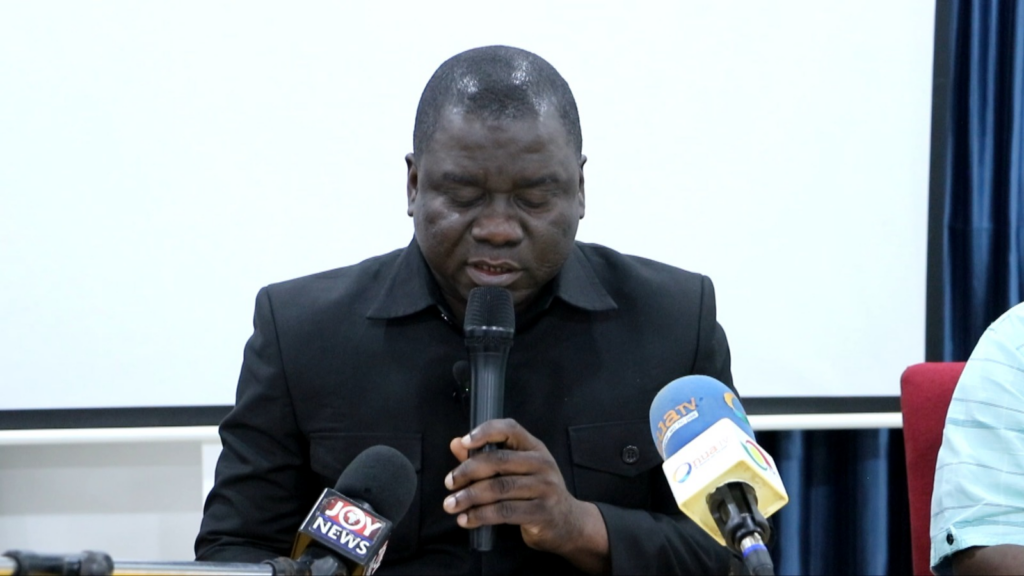
Echoing this urgency, the Upper West Regional Minister, Charles Lwanga Puozuing, represented by the Regional Development Planning Officer, Nii Adjaye Laryea, challenged district leaders to move beyond viewing climate change as an optional environmental theory.
He stressed that it is an economic and governance emergency that must be directly integrated into their medium-term development plans and annual budgets to safeguard local agriculture, which remains the backbone of the region's economy.
The engagement painted a stark picture of the human cost of climate change. In a detailed breakdown of the basic science, Mr Aggrey linked everyday human activities such as burning fossil fuels, deforestation and poor waste management to the severe weather patterns affecting northern Ghana.
He warned that the extreme heat and unpredictable planting seasons are pushing livestock to the brink and threatening local food security.
Without proactive land-use planning and a shift away from post-disaster relief towards resilient infrastructure, local communities remain dangerously exposed.
The mandate given to the assemblies was clear: transition from reacting to floods and droughts to proactively protecting vulnerable populations through smart, climate-resilient planning.
Following the high-level engagement, the focus shifted from policy frameworks to field implementation.
The Acting Upper West Regional Director of the Environmental Protection Agency (EPA), Jonas Kpierekoh, led the delegation on a working tour of key climate mitigation sites within the Wa Municipality to assess interventions on the ground.
The first stop was Wa T.I. Ahmadiyya Junior High School, where the team inspected a targeted tree-planting initiative launched in 2023. The environmental benefits of the project are already evident on the school grounds, serving as a practical, living model for the afforestation and adaptation strategies advocated by the Ministry.
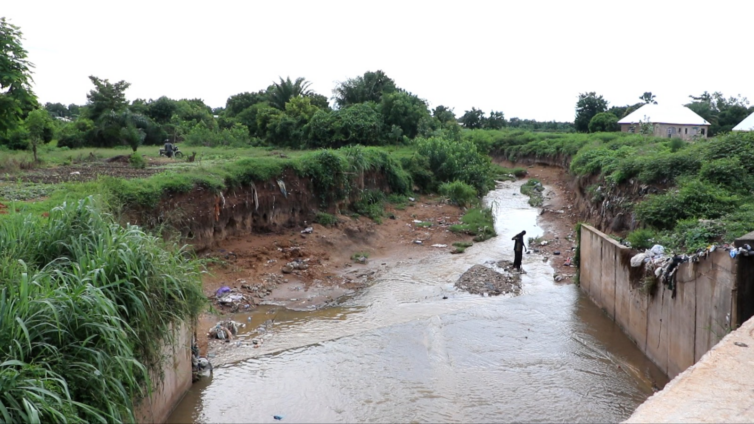
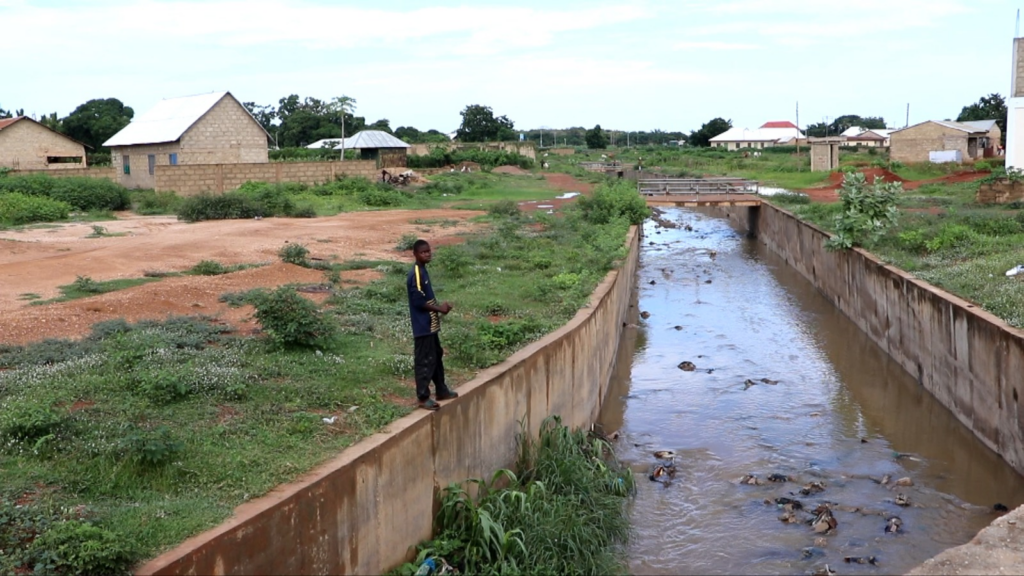
The delegation then proceeded to the Kambali waterway, a high-risk flood zone chronically affected by water overflow during heavy downpours. To mitigate the severe flooding that regularly threatens the community, a large drainage gutter was designed and constructed to redirect the flow of water.
However, the field inspection revealed that this critical infrastructure project remains incomplete, leaving residents continually vulnerable to extreme weather events.
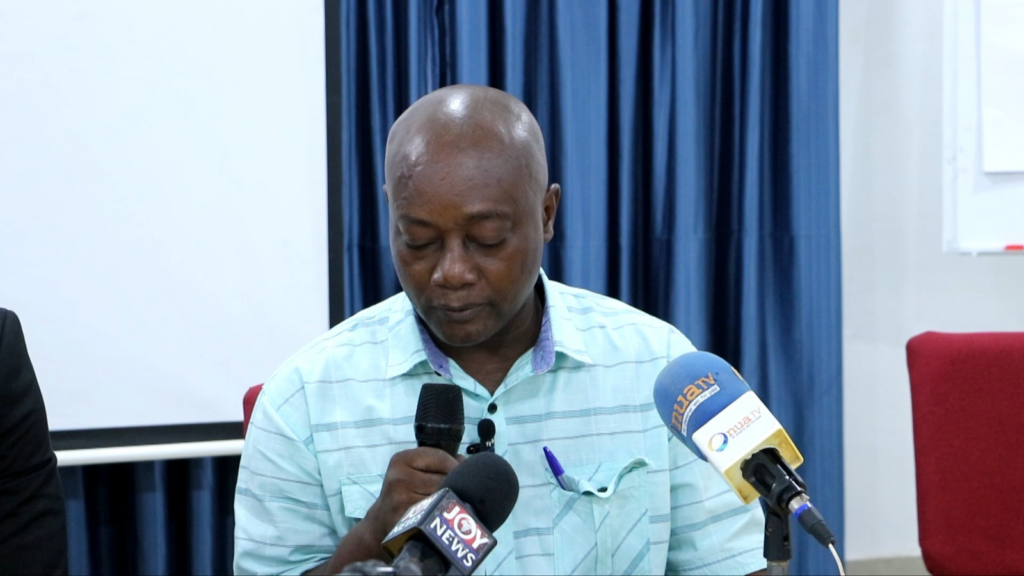
Addressing the challenges hindering the completion of such projects, Technical Director at the Office of the Minister, Cedric Dzelu, shattered the misconception that climate finance is unavailable.
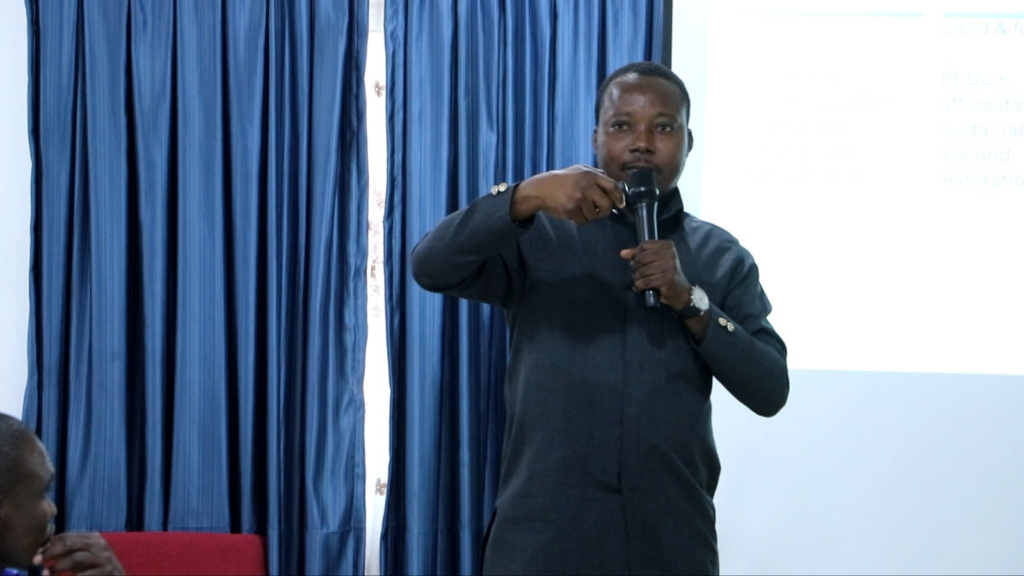
He revealed that substantial funds, including a US$1.1 million pool at the Ministry of Finance, often go unused simply because local districts fail to submit technically sound, bankable proposals. He encouraged local leaders to use the new "Ghana Green Taxonomy" to bypass bureaucratic bottlenecks and secure the funding needed to complete critical projects such as the Kambali drainage system.
To bridge this local capacity gap, Programmes Officer Awo Yaa Akyere Brew announced the rollout of dedicated Climate Change and Sustainability Units within all Metropolitan, Municipal and District Assemblies.
By decentralising operations from Accra and engaging directly with vulnerable districts, the Office aims to equip local officers with the skills needed to prepare successful proposals, access global climate finance and build a resilient economy that protects everyday Ghanaians.
Latest Stories
-
Are we marketing Ghana before fixing the experience? A hard question for our tourism ambition
1 minute -
AFCON 2027Q: Prince Adu Kwabena major doubt for Ghana after head injury
2 minutes -
Government to procure furniture to help more SHSs move from double-track — Haruna Iddrisu
9 minutes -
Adutwum spokesperson alleges ‘turf war’ between Education Ministry and GES over Free SHS
11 minutes -
Black Stars: Adu Kwabena a doubt for September-October games after head injury
24 minutes -
Fire guts four-bedroom apartment at Millennium City
25 minutes -
KMA seeks funding to restart stalled Kumasi Central Market Phase II project
46 minutes -
Government unveils new guidelines to improve regulation of non-profit organisations
51 minutes -
Annoh-Dompreh cautions against partisan application of law in political speech cases
58 minutes -
Oti Peace Council sensitises Assembly Members in Jasikan, Kadjebi on conflict prevention
1 hour -
Nawara petitions Ghana Police over alleged armed raid, gold seizure and destruction of mining equipment
1 hour -
Ahafo Ano South West DCE Abubakar Sedik dies after brief illness
1 hour -
Ghana must draw lessons from Nkrumah’s Seven-Year Development Plan — Kwesi Pratt
1 hour -
Oil hits over 1-week low on hopes of boost to diplomacy in Iran war
3 hours -
They take GH¢100, sometimes GH¢200 – Okada riders allege police extortion in Accra
3 hours