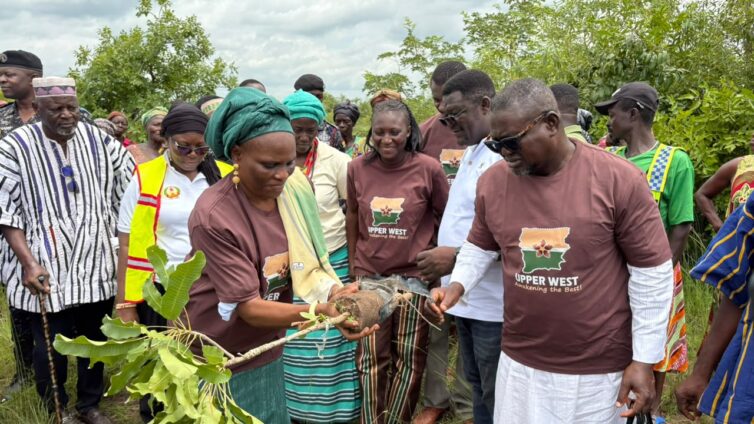
The Centre for Indigenous Knowledge and Organisational Development (CIKOD), in partnership with the Lawra Municipal Assembly, the Global Shea Alliance (GSA), and Green Gold Savanna, has officially launched a massive shea enrichment planting initiative at the Pavuu CIKOD Conservation Site in the Lawra Municipality of the Upper West Region.
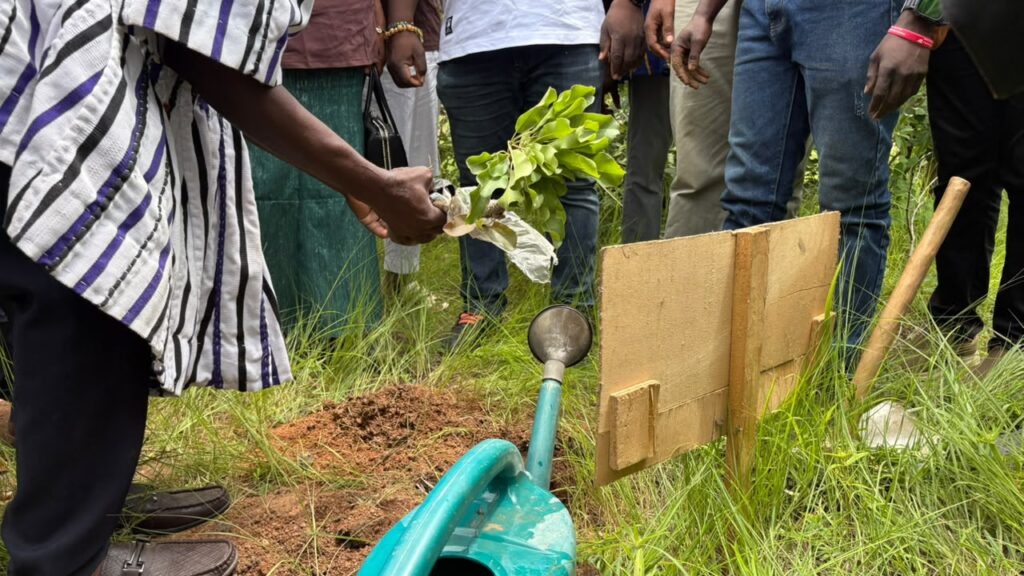
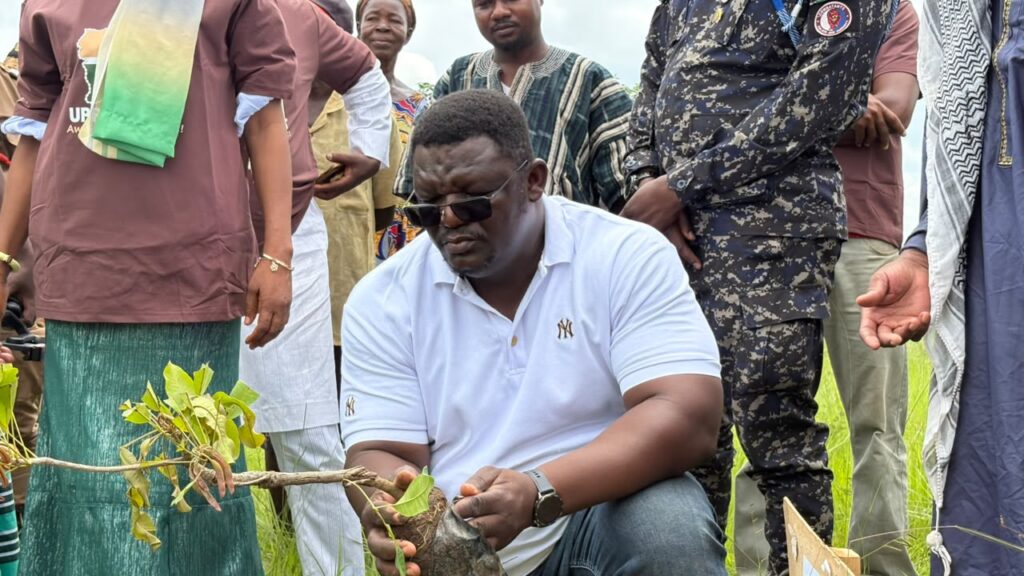
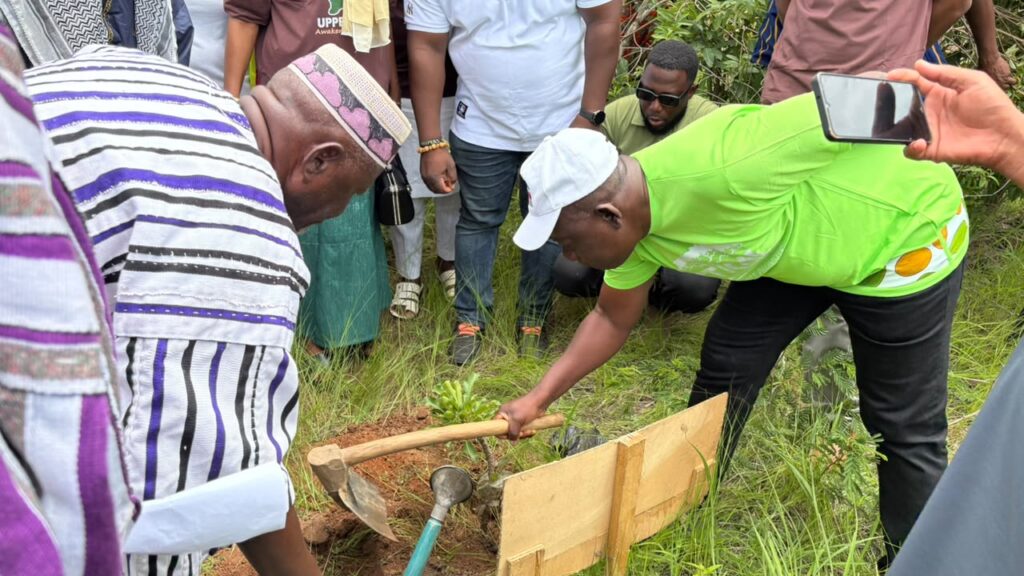
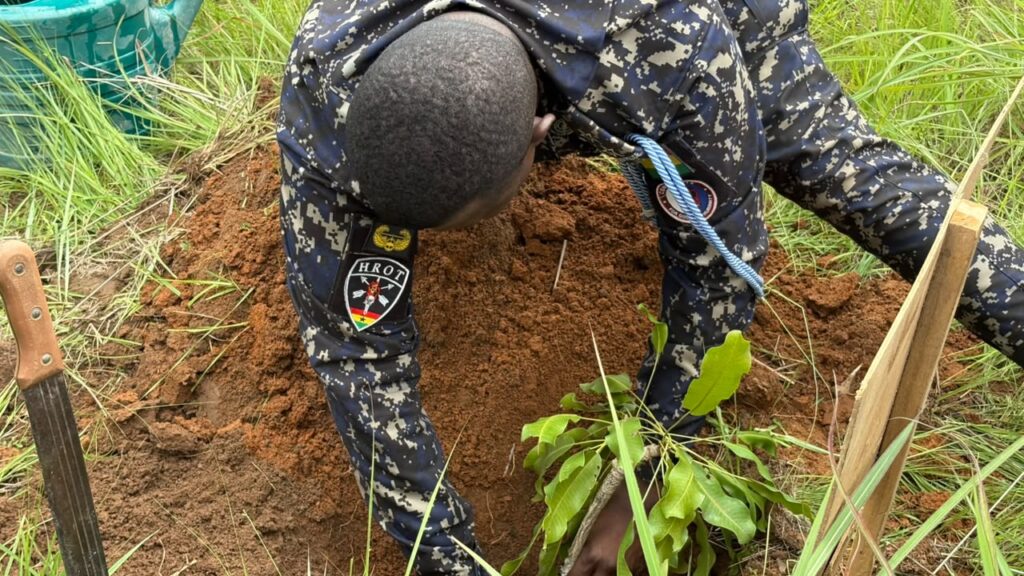
The programme saw the ceremonial planting and distribution of more than 16,000 shea seedlings supplied by the Global Shea Alliance to enrich regenerated community parklands and restore biodiversity across degraded landscapes.
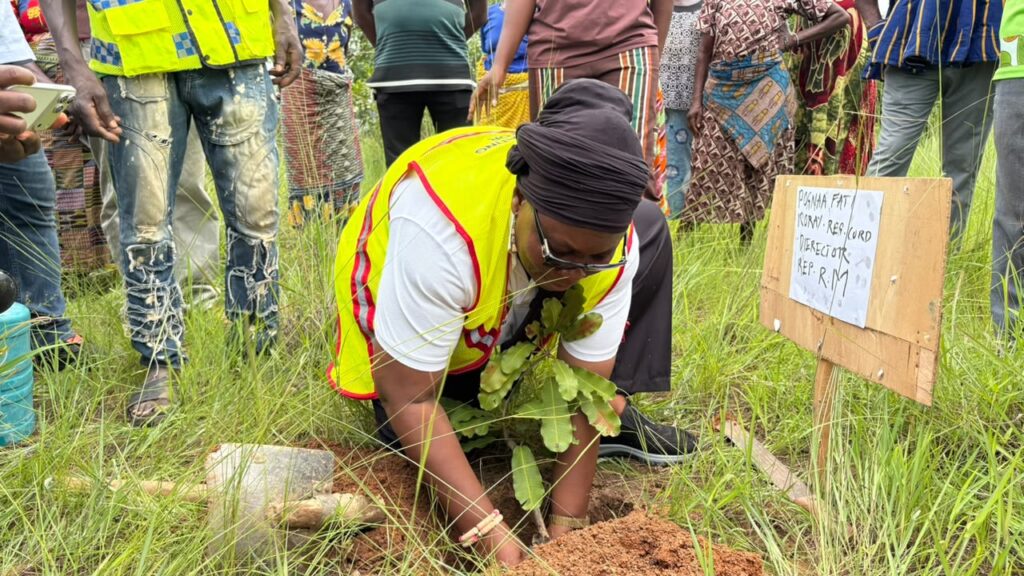
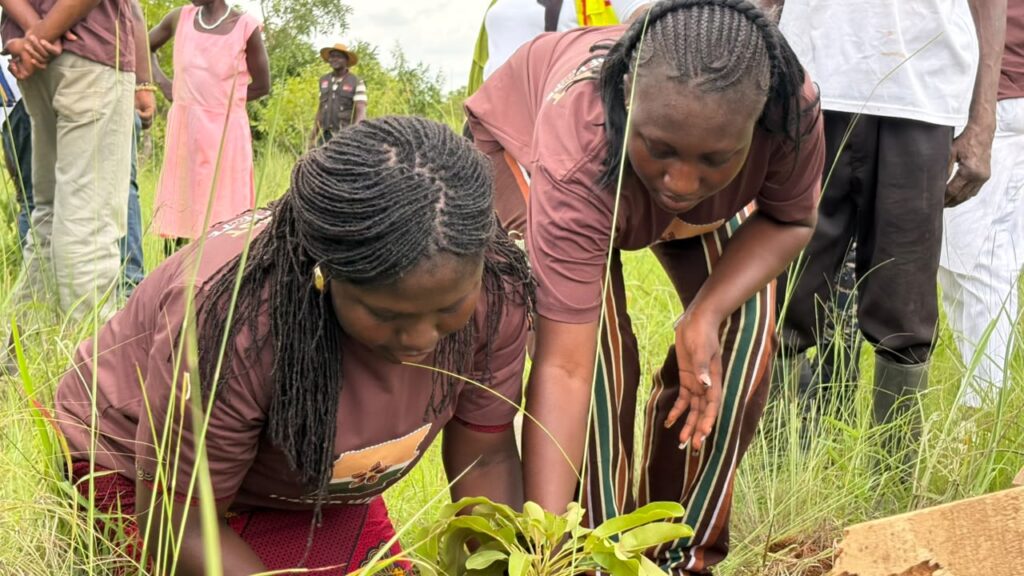
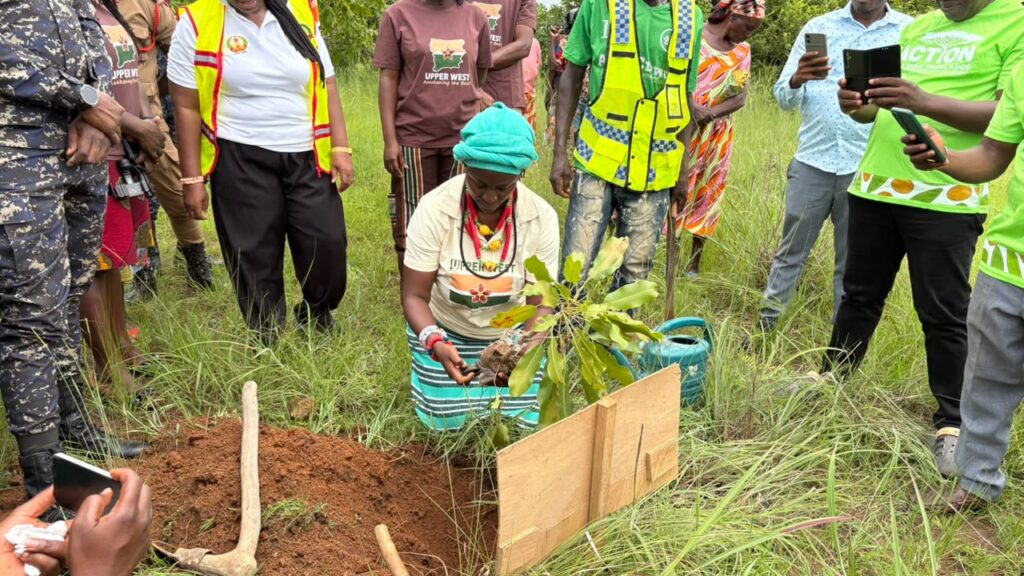
Following the addresses, dignitaries and community leaders moved to the conservation parkland, where they took turns planting shea seedlings to symbolise collective action and a long-term commitment to environmental restoration.
Delivering the keynote address on behalf of the Upper West Regional Minister, Charles Lwanga Puozuing, the Chief Director of the Upper West Regional Coordinating Council, Pognaa Fati Korey, warned that planting was only the beginning and called for rigorous protection against bushfires, illegal logging, and land degradation.
“Today is not simply about putting seedlings into the soil; it is about putting hope into the ground,” Pognaa Korey stated.
“A mature shea tree destroyed is years of accumulated ecological and economic value lost. We must move beyond the culture of ‘plant and forget’. The real measure of success is the number of trees that survive, mature, and generate benefits for our communities.”
She emphasised that under the Tree Crops Development Authority Act, 2019 (Act 1010), the region must transition from exporting raw commodities to industrial value addition, quality packaging, and agribusiness development that directly benefits rural women and youth.
Reaffirming the commitment of traditional authorities, the Regent of the Lawra Traditional Council, Reverend Pastor Terle Karbo, declared the council’s full backing for the initiative.
He highlighted the critical role of local enforcement, recalling instances where community watchdogs apprehended individuals attempting to set bushfires and handed them over to the Traditional Council for sanctions.
Rev. Karbo also touched on the evolution of agronomic research, referencing efforts by institutions such as the Cocoa Research Institute of Ghana (CRIG) at Bole to reduce the gestation period of shea trees through grafting.
He charged residents of Pavuu and surrounding communities to actively protect the seedlings and embrace multi-species planting along farm boundaries to build resilient livelihoods.
The Executive Director of CIKOD, Daniel Bannoku, stressed that sustainable restoration relies on local stewardship and community governance rather than externally imposed solutions.
“FMNR is not simply a technical practice; it is a governance practice,” Bannoku stated.
“Evidence from the Economics of Land Degradation study reveals that FMNR can increase cropland productivity by at least 83% within five years. Investing in restoration makes direct economic sense for our farmers.”
The Project Manager for the Global Shea Alliance, Cornelius Kuukaraa, highlighted the severe ecological threats facing the species across the sub-region.
“Across West Africa, we are losing an estimated 8 million shea trees every year due to bushfires, agricultural expansion, and tree cutting,” Mr Kuukaraa said.
“Projections indicate that by 2044, global demand for shea will exceed supply if this trend continues. Through our Action for Shea Parklands initiative, we aim to nurture 10 million trees and restore 4 million hectares across Africa by 2030.”
Mr Kuukaraa also announced that under the Ghana Shea Landscape Emission Reductions Project, more than 2 million seedlings are currently being nursed for transplanting next season.
For her part, the Ambassador for the Shea Resource Hub Project and Queen Mother of the Sing Traditional Area, Pognaa Salma Chaana Abdul-Razak, urged traditional leaders to actively spearhead environmental conservation rather than limit their roles to palace duties.
“When the last tree dies, the last man dies,” Pognaa Chaana warned. “The trees do not depend on us; we depend on them for food, medicine, and livelihoods. We must be our own vegetative soldiers and protect what we have planted.”
The Lawra Municipal Chief Executive, Cecilia Soyele Nuratu, commended CIKOD for the partnership and charged community members to establish fire belts around plantations, citing a previous bushfire incident that razed a cashew plantation at Bagre.
The event brought together traditional authorities, the Forestry Commission, departmental heads, women’s processing groups, and local farmers, all of whom committed to nurturing the newly planted shea parklands to maturity.
DISCLAIMER: The Views, Comments, Opinions, Contributions and Statements made by Readers and Contributors on this platform do not necessarily represent the views or policy of Multimedia Group Limited.
DISCLAIMER: The Views, Comments, Opinions, Contributions and Statements made by Readers and Contributors on this platform do not necessarily represent the views or policy of Multimedia Group Limited.