

Audio By Carbonatix
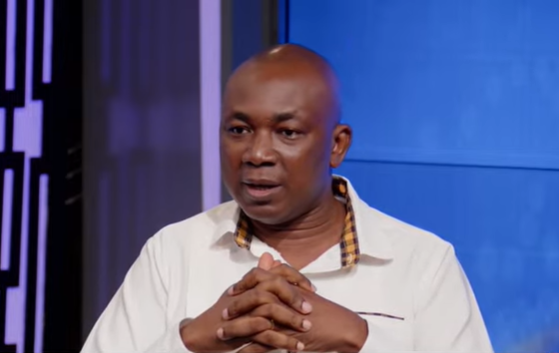
Economist and Professor of Finance, Prof. Godfred Bokpin, has challenged the government’s claim that it has been undertaking significant spending, arguing that actual expenditure levels relative to the size of Ghana’s economy show a different picture.
Speaking on JoyFM’s Top Story on Thursday, July 23, 2026, following the presentation of the 2026 Mid-Year Budget Review by the Finance Minister, Prof. Bokpin said government expenditure has not matched previous trends.
“The Minister indicated that they have been spending. That is not entirely true. If you look at total government expenditure relative to the size of this economy, we have not kept the pace like we have done in the time past,” he said.
According to him, while government has attributed previous high spending levels to wasteful expenditure under the previous administration, the current approach has resulted in insufficient investment needed to drive job creation and long-term economic growth.
“Government will say that 2024 expenditure, a lot of them were wasteful spending, but the reality is that government is not spending appropriately to stimulate job-rich growth. That is a fact,” he stated.
Prof. Bokpin explained that the situation has been worsened by revenue shortfalls, forcing government to rely on expenditure controls rather than borrowing to bridge the gap.
“Bear in mind that because our revenue has underperformed and expenditure remains very high, government doesn't want to explain the difference through borrowing.
"Therefore, we are in a situation where there is every expenditure control and expenditure cut as a way of managing the dry revenue envelope,” he said.
He acknowledged that the government’s fiscal restraint has contributed to some positive short-term outcomes, including a decline in inflation, but warned that the approach could affect long-term economic sustainability.
“In the short term, that may deliver short-term gains. We can see inflation has come down. We have seen all of it because the government is not spending the way they should. The Bank of Ghana is also tightening liquidity,” Prof. Bokpin noted.
However, he cautioned that reducing public spending and tightening liquidity could mean sacrificing critical investments required to support sustainable growth.
“What that means is that you are foregoing critical expenditure that would actually ensure long-term growth sustainability,” he added.
Latest Stories
-
Heritage Series Cedi notes to modernise cedi while preserving national identity – BoG
4 minutes -
Ghana’s business environment at ‘Inflection Point’ as private Sector takes greater lead — Vish Ashiagbor
10 minutes -
At least 2 new airlines could join domestic aviation market by 2027 – GCAA Director General
19 minutes -
What if Ghana’s next tourism boom begins with Ghanaians?
40 minutes -
Energy Commission to monitor EV charging stations
44 minutes -
Invest with confidence, Ghana’s golden era is beginning – Finance Minister
54 minutes -
Do Ghana to launch The Great Ghana Day Out on World Tourism Day
54 minutes -
Clean up our politics before politics cleans us up
1 hour -
2025 was a turning point, says Abradu-Otoo as NAFCO posts record GH¢91.7m profit
2 hours -
Today’s front pages: Friday, September 25, 2026
2 hours -
‘FA President has four clubs; what do you think he would do?’ – Nana Baffour Awuah fires back
2 hours -
Kurt Okraku doesn’t like criticism, but Ghana football is beyond him – Nana Baffour Awuah
3 hours -
Ghana’s Liquidity Paradox: Why capital is not reaching productive businesses
3 hours -
Ghana football has collapsed under Kurt Okraku – Manhyia South MP
3 hours -
Mr John Blankson Adu Otu
3 hours