

Audio By Carbonatix
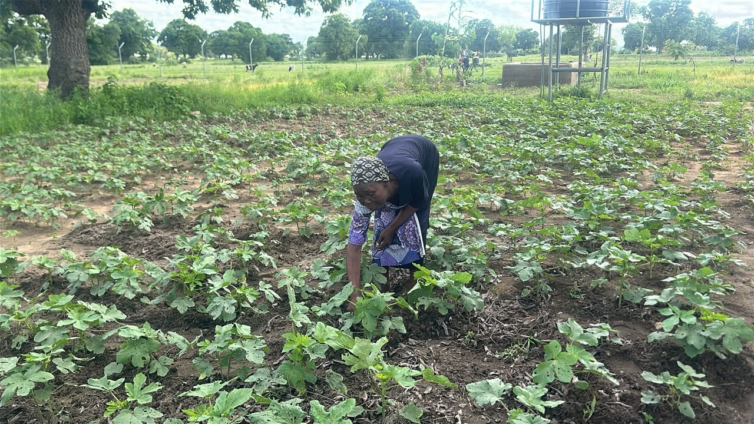
For Celestina Aduko, who is in her late 60s, farming in Awaradonne community in the Talensi District has become a yearly battle against rising production costs, especially the increasing price of chemical fertiliser.
The retired educationist, who now depends on farming for her livelihood, says many women farmers in her community are being pushed to the edge because they can no longer afford essential farm inputs.
“A bag of fertiliser costs around GH₵ 500. How many of us can afford it? We often don’t farm to our full capacity, and sometimes, we abandon our farmlands entirely due to the cost of inputs,” she said.
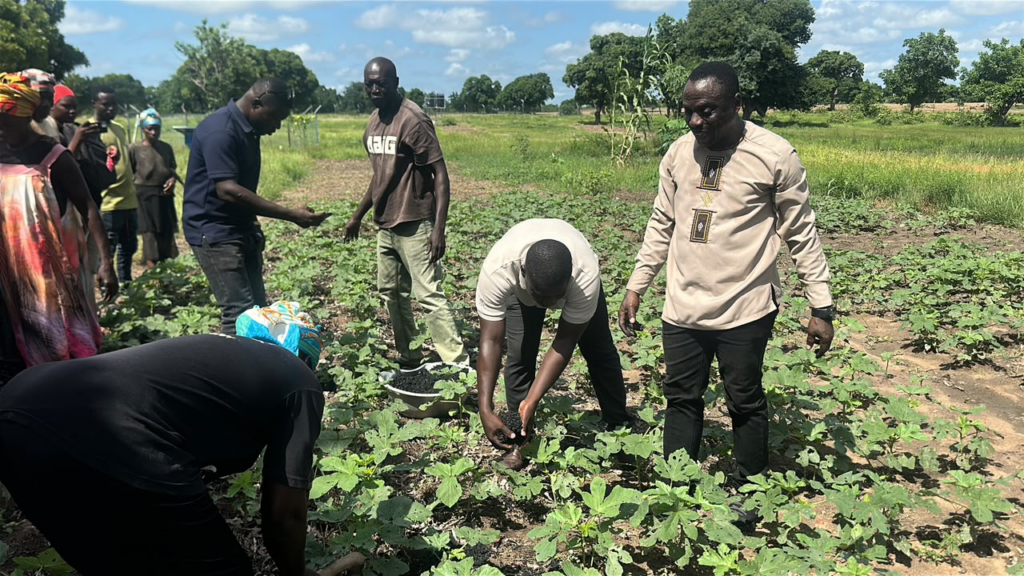
Aduko’s experience mirrors the struggles of thousands of smallholder farmers across northern Ghana, where high input costs, limited access to subsidies, and changing climate conditions continue to threaten agricultural productivity.
In the Upper East Region, many peasant farmers, particularly women, face difficulties accessing chemical fertilisers due to financial constraints.
Women farmers are among the most affected because they often operate on smaller parcels of land and have limited access to credit and agricultural resources.
However, a new sustainable agriculture initiative is offering a different path by turning farm waste into a valuable soil enhancer.
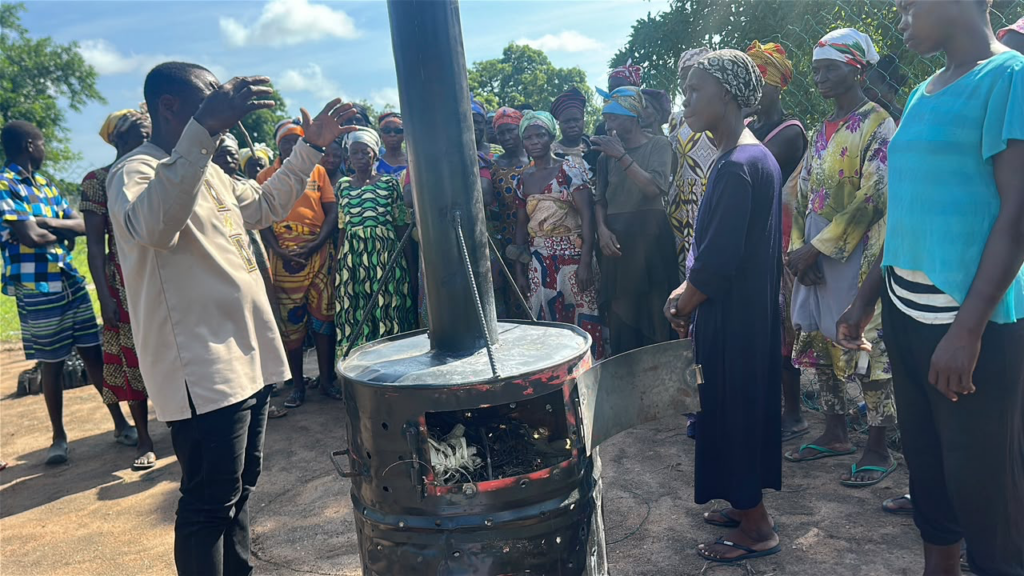
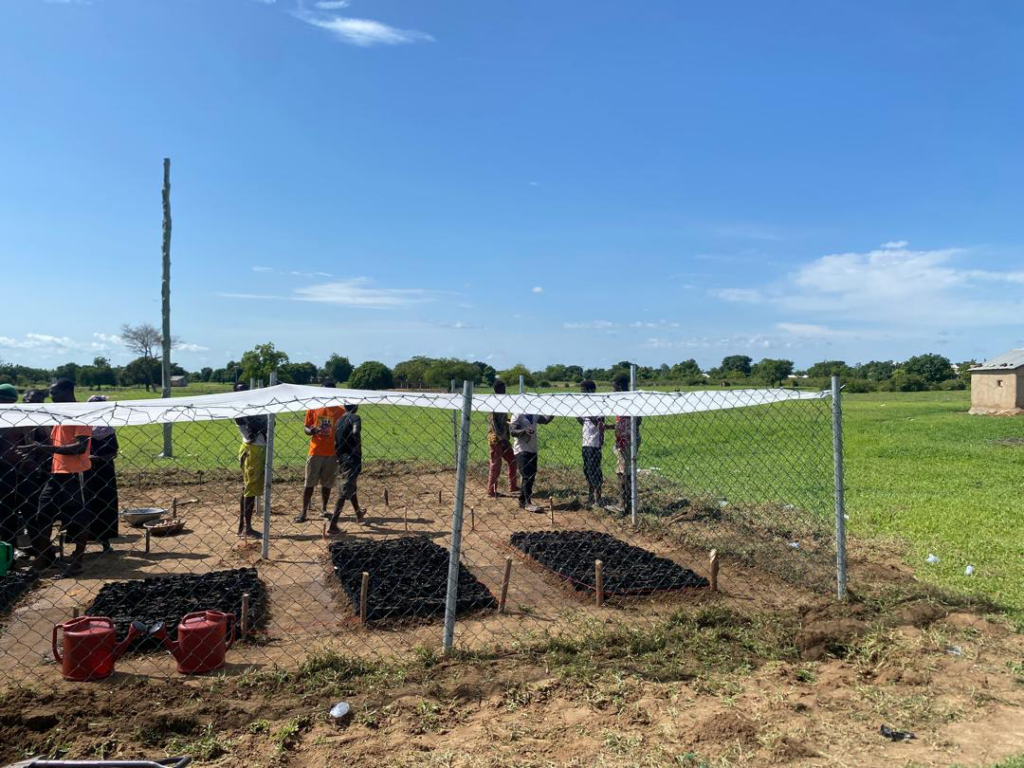
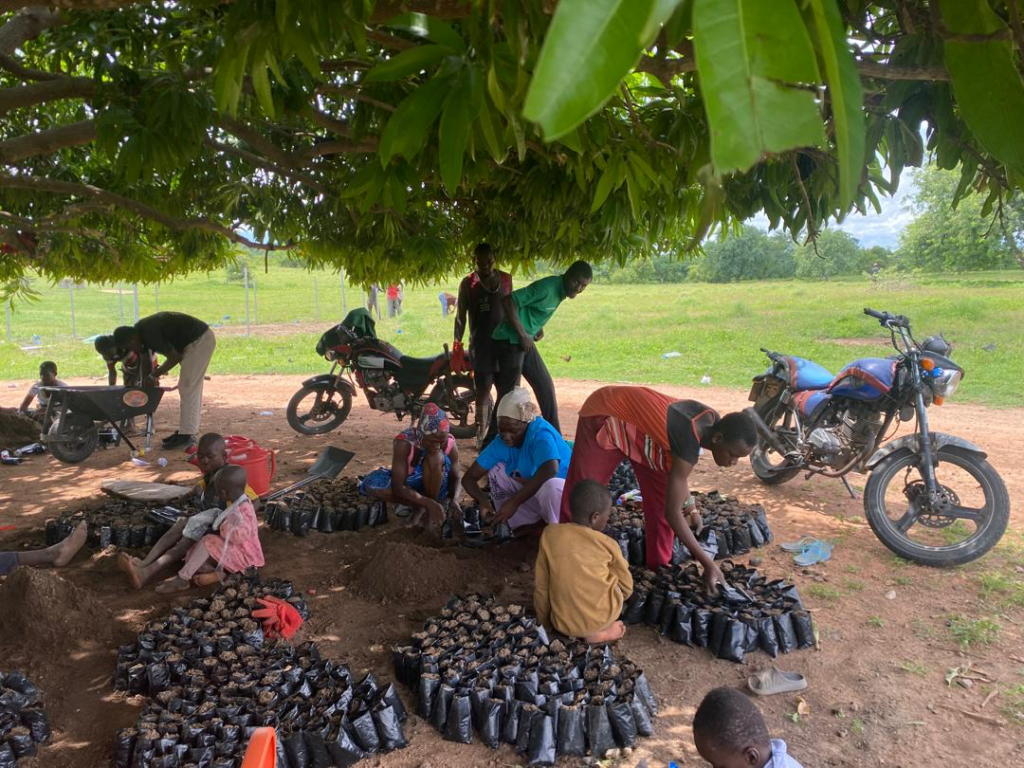
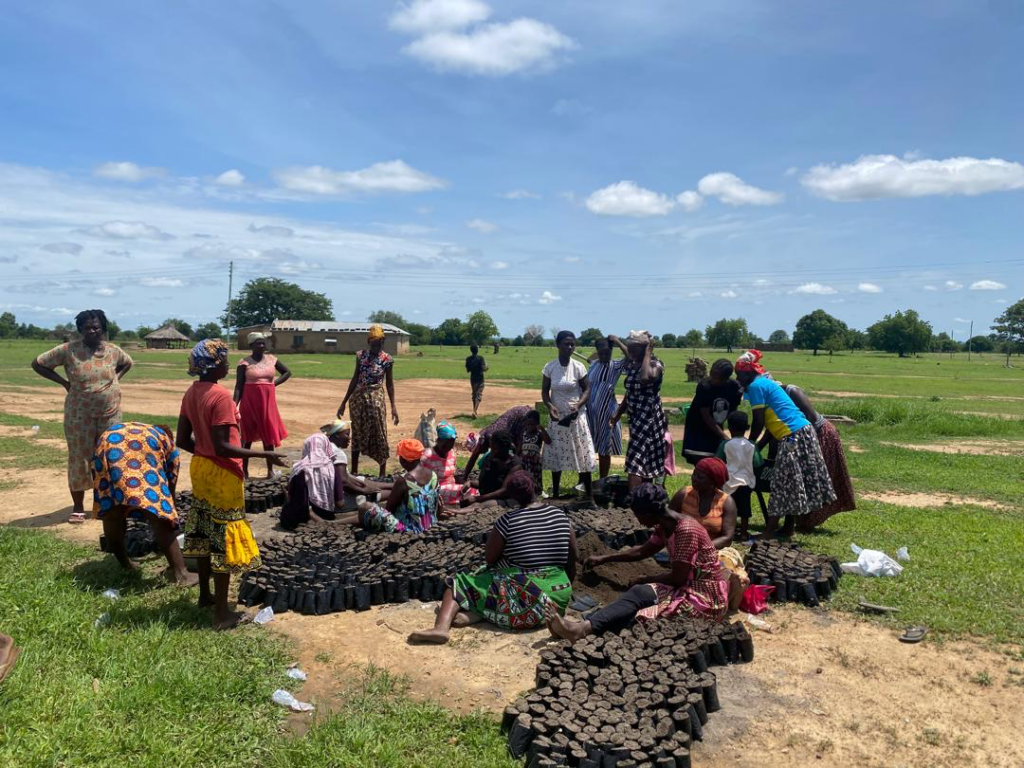
The International Union for Conservation of Nature (IUCN), through its LOGMe II Sahelian Landscapes Project, is training farmers in 14 communities across the Upper East and Upper West Regions to produce and apply biochar as an alternative and complementary source of soil nutrients.
Biochar, a carbon-rich material produced from agricultural waste, is made through a process known as pyrolysis.
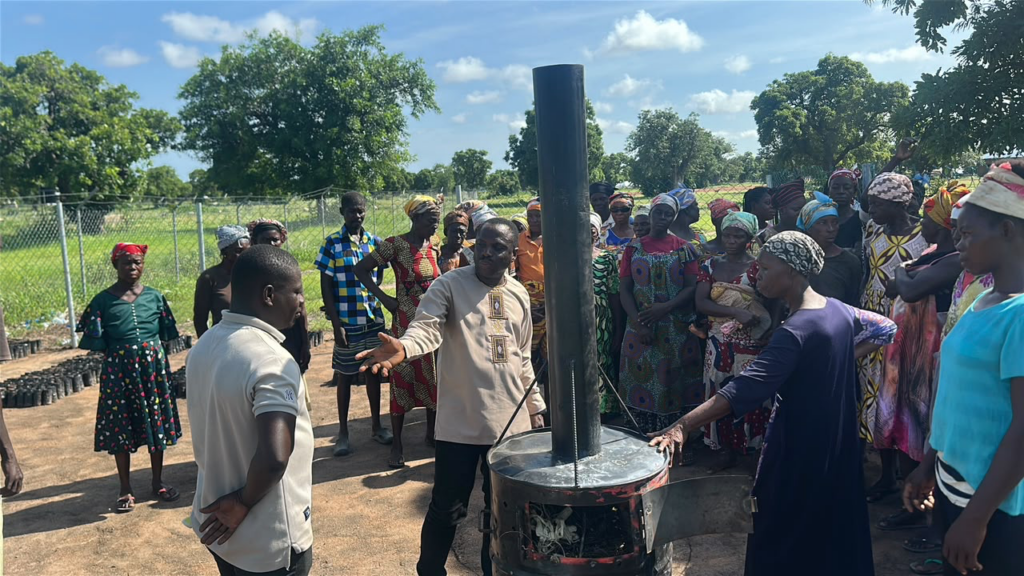
The process involves heating organic materials such as maize cobs, rice husks, guinea corn stalks, soybean stalks, groundnut shells, and animal manure in a low-oxygen environment.
A Soil Research Scientist, Richard Kwame Denteh, who facilitated the technical training, explained that the technology allows farmers to transform materials often considered waste into a resource that improves soil fertility.
“When added to the soil, it activates nutrients in the soil. It replaces or augments the need for fertiliser. With time, farmers may eliminate fertiliser entirely because biochar makes the soil rich and fertile on its own,” he explained.
Beyond improving soil fertility, biochar helps retain moisture, supports beneficial microorganisms, and improves soil structure, making it particularly useful in the dry conditions experienced across the Sahel.
It also contributes to environmental protection by reducing agricultural waste burning and helping to capture carbon in the soil.
The Soil Research Scientist cautioned farmers about the long-term effects of excessive dependence on chemical fertilisers, which he said can affect soil health and food quality.
“When we say food security, we look at quality and quantity. Too much fertiliser is reducing the quality of the food we bring from the farms,” he said.
The project is being implemented in collaboration with the Water Resource Commission.
According to the project officer responsible for implementation, Derick Sedenkor, it goes beyond biochar production to also support community tree nurseries in all 14 beneficiary communities as part of efforts to restore degraded landscapes and strengthen climate resilience.
The Talensi District Agriculture Extension Officer, Simon Ayaabanga, said the response from farmers, especially women, has been encouraging.
Some participants, he noted, have already begun producing biochar not only for their own farms but also as a potential source of income.
For Celestine Aduko, the training has changed the way she views farm waste.
“We didn’t know that our farm waste is something that can be used profitably. From now on, instead of spending a lot of money on fertiliser from the market, we will produce our own and mix in a little we can buy to make the soil better,” she said.
As fertiliser prices continue to challenge smallholder farmers, the shift from dependence on expensive inputs to locally produced soil enhancers could provide a more sustainable future for farming communities in northern Ghana.
For many women farmers, biochar represents not just a farming technique, but a new opportunity for resilience
Latest Stories
-
School Feeding: NAGRAT calls for audit over alleged inflated enrolment figures
2 minutes -
Three more arrested as investigation into alleged 2026 school placement fraud expands
5 minutes -
646 military recruits pass out after six-month infantry training at Shai Hills
22 minutes -
The importance of technology and artificial intelligence in tourism
26 minutes -
PURC warns of water supply challenges as Sekyere Hemang plant operates below capacity
34 minutes -
18-Years – A perfectly synchronous age of consent and marriage
42 minutes -
Livestream: ‘Democracy Not for Sale’ Forum underway in Damongo
44 minutes -
Is Nkrumah’s glory fading? Nkrumah’s iconic fountain at Circle runs dry
48 minutes -
Special agents’ blood and urine test results stolen in FBI hack
54 minutes -
Photos: 3rd Republic Bank-JoyNews Habitat Fair Clinic at Junction Mall, Nungua
1 hour -
GCIF cautions public as criminals deploy AI in phishing attacks
1 hour -
Mortuaries and Funeral Facilities Agency gives unlicensed mortuaries 10 days to regularise operations
1 hour -
Five ‘last mile’ communities in the Upper West Region receive five ambulances after years of struggling to access healthcare
1 hour -
Stephen Kojo Adjei
1 hour -
Gov’t building pathways for Ghanaian youth to compete across African markets – Opare Addo
2 hours