

Audio By Carbonatix
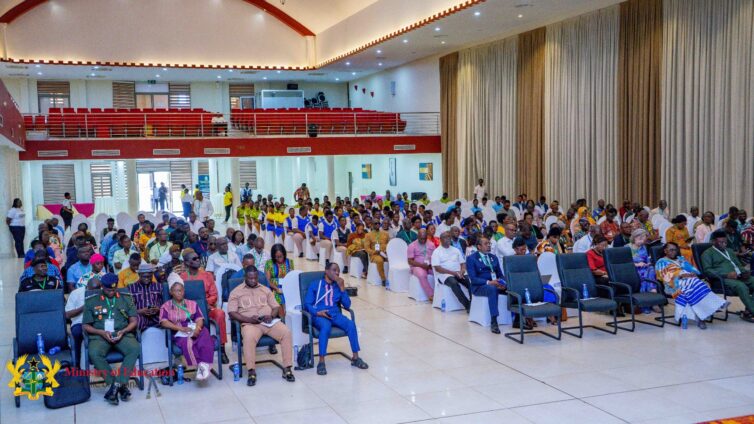
The two-day National Conference on Stemming the Growing Indiscipline in Schools in an Emerging World has ended with a call for a coordinated national response to address indiscipline and promote safe, respectful and supportive learning environments across Ghanaian schools.
The conference, an initiative of the Minister for Education, Haruna Iddrisu, formed part of government’s broader Reset Agenda under the leadership of the President of the Republic.
It brought together stakeholders from across the educational sector and wider society, including teachers, students, parents, traditional and religious leaders, security agencies, civil society organizations, and development partners.
Participants reached consensus on the need for a balanced approach to discipline that combines clear rules, legitimate school authority, student rights, parental accountability, professional conduct, and incentives for positive behavior.
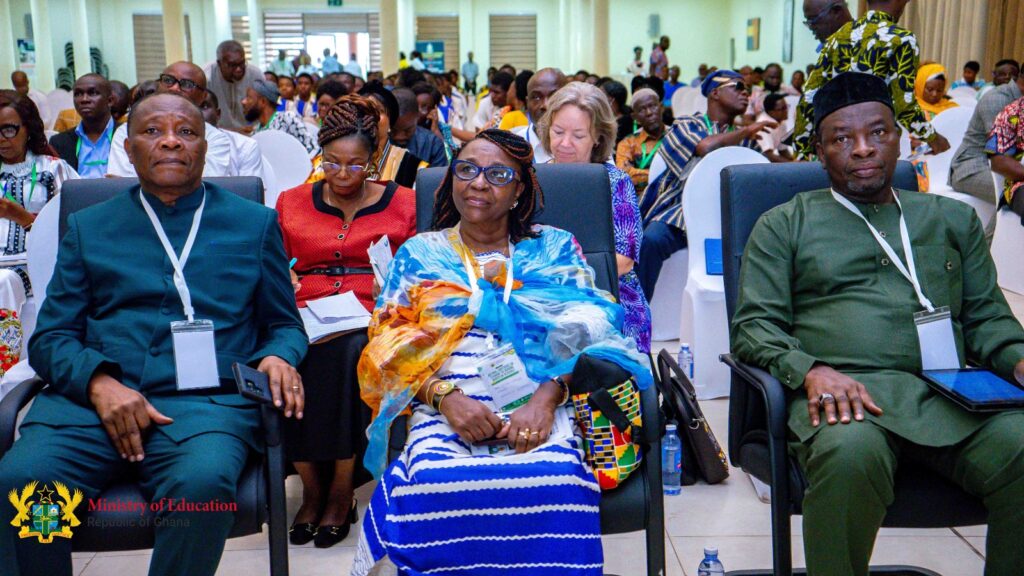
A major recommendation was the establishment of a National School Discipline Framework to apply across all levels of education.
The proposed framework is expected to define acceptable behavior, offenses, sanctions, institutional responsibilities, due process and referral procedures for issues including bullying, violence, theft, substance abuse, sexual misconduct and examination malpractice.
Participants further called for schools to be given sufficient authority to manage disciplinary matters, with school heads and disciplinary committees empowered to investigate cases and apply appropriate sanctions promptly, while observing due process and safeguarding the dignity and rights of learners.
The conference also emphasized the need for school rules to reflect and reinforce Ghanaian values such as respect, truthfulness, hard work, responsibility, cooperation, integrity and peaceful conflict resolution.
Stakeholders stressed that these values should be reinforced not only in schools, but also in homes, communities, religious institutions and through the media.
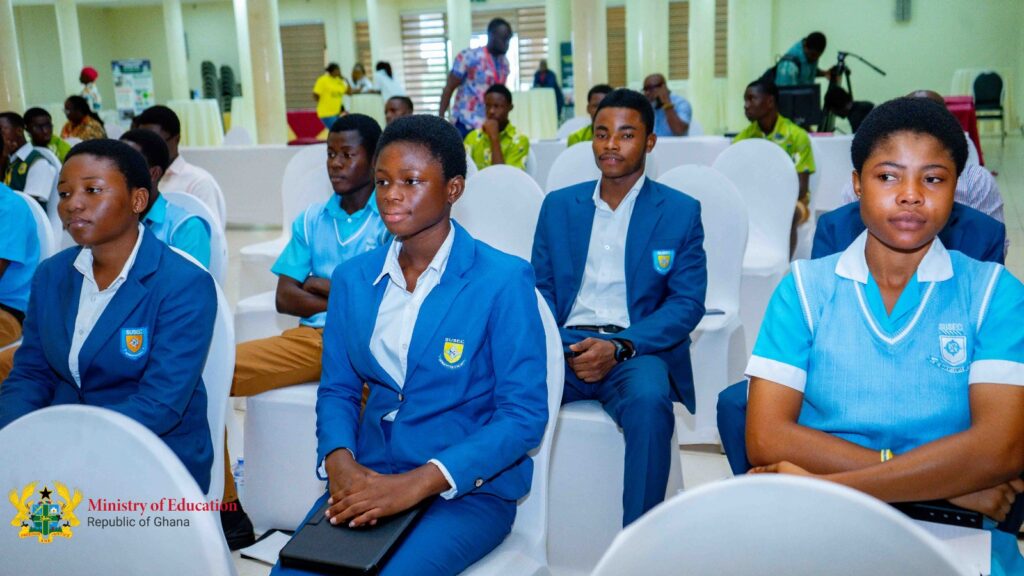
Participants proposed a stronger social contract among schools, students and parents, with learners understanding their rights and responsibilities, while parents actively support school expectations and participate in disciplinary processes.
Student leadership was also identified as an important component, with school prefects and other student leaders to be equipped with skills in peer mediation, restorative justice and identifying behavioral risks.
Greater support for teachers and school leaders was also recommended through clearly defined disciplinary authority and continuous professional training in behavior management, counselling, child protection, mediation and professional ethics.
The conference further called for functional guidance and counseling services, improved learner support systems and the deployment of trained security personnel where necessary.
Stakeholders stressed that discipline should not focus solely on sanctions. Schools were encouraged to recognize and incentivize positive behavior, while teachers who take on additional responsibilities in managing discipline should also receive appropriate support and incentives.
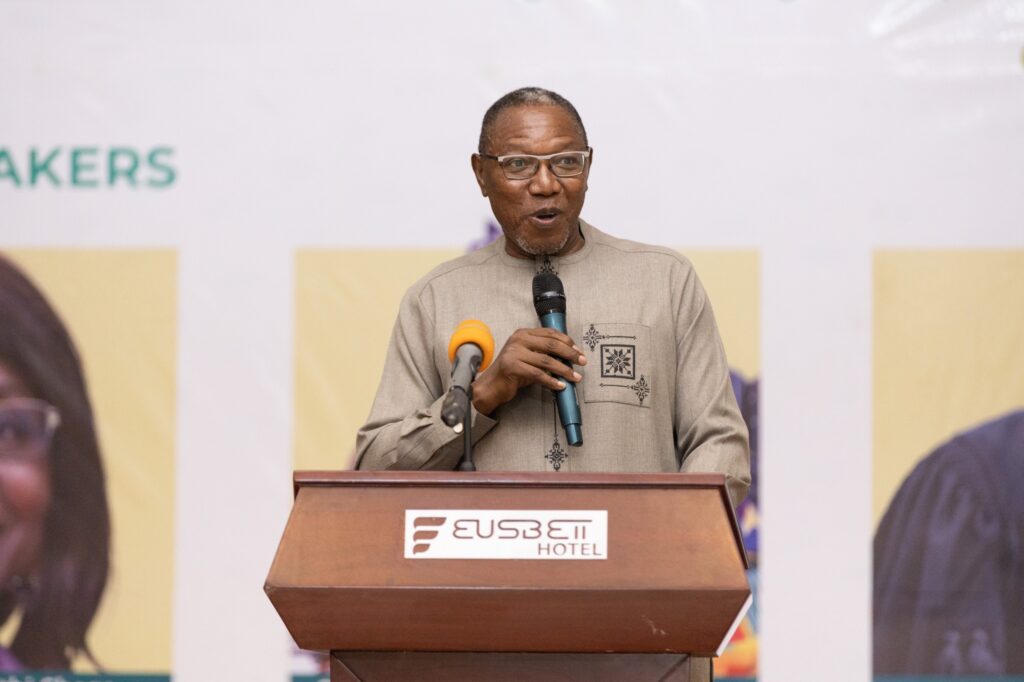
Leading the closing ceremony, the Deputy Minister for Education, Dr. Clement Abas Apaak, said the conference had moved beyond identifying the causes of indiscipline to developing practical solutions and commitments.
He said the discussions had demonstrated that indiscipline was not a single-issue problem with one cause, but a shared national challenge requiring collective action.
Dr. Apaak urged participants to return to their communities as ambassadors of positive discipline, stressing that transforming the culture of discipline extends beyond Government and requires the commitment of every stakeholder.
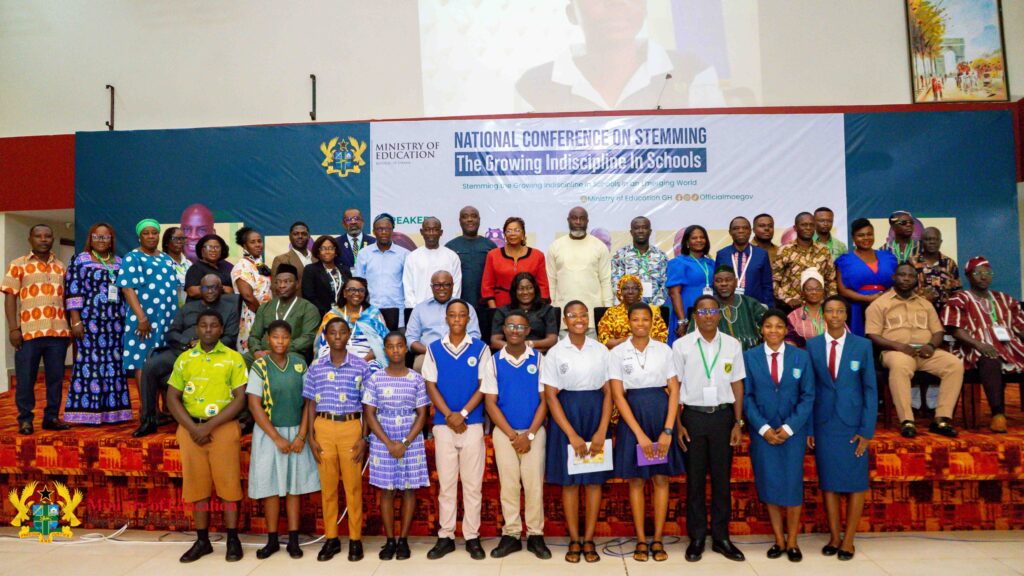
He reaffirmed government’s commitment to safe schools, the dignity of teachers, positive discipline, learner wellbeing and evidence-informed policymaking, noting that education must produce not only academic excellence but also strong character.
He also commended the media, teachers, students, parents, security officers and civil society representatives for enriching the discussions and expressed gratitude to the Chiefs and people of the Bono Region for their hospitality.
Latest Stories
-
Diaspora Nasara Caucus congratulates Mohammed Ali Suraj, new NPP executives
28 minutes -
Dr Antwi-Boasiako’s cybersecurity book showcased at UN crime prevention congress
30 minutes -
We will empower the grassroots and protect every vote – NPP’s 1st Vice Chair Kojo Bamba
40 minutes -
I do not see myself as better than anyone – NPP’s 1st Vice Chair Kojo Bamba
1 hour -
Police blur the line between invitations and arrests – Reindorf Twumasi Ankrah
2 hours -
Turning invitations into arrests is making citizens reluctant to assist police – Twumasi Ankrah
2 hours -
The Traffitech-GH SMS spot-fine system: The good, the sad, and the funny – Bright Simons writes
2 hours -
Hawa Koomson pledges experienced and mature leadership of NPP women’s wing
4 hours -
Young woman found dead at Kasoa Peace Town
4 hours -
Playback: The Law examined lawful arrest in Ghana
5 hours -
Mahama urges African governments to treat healthcare as an investment, not budget cost
5 hours -
Bawumia congratulates John Boadu and new NPP executives, pledges support ahead of 2028
5 hours -
Aksa Energy delegation pays courtesy call on GRA Commissioner-General
5 hours -
‘No talent should be left out’ – Bawumia pledges inclusive NPP campaign for 2028
5 hours -
Prof. Mike Oquaye recounts how he blocked the Special Prosecutor’s attempt to arrest Bawku Central MP
6 hours