

Audio By Carbonatix
A national study has revealed widespread sexual harassment and discrimination against young women in Ghana’s creative sector, prompting renewed calls for safer workplaces and stronger gender equity measures.
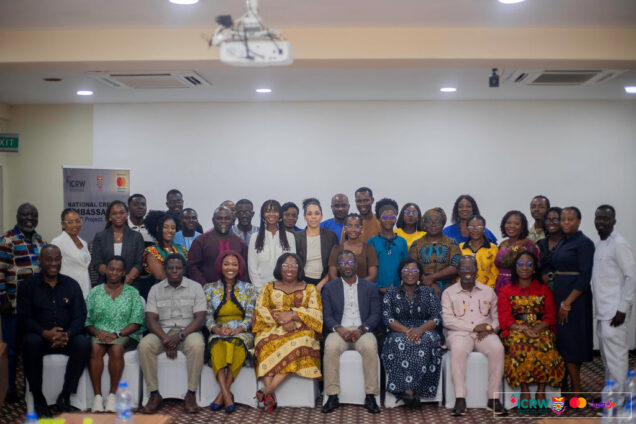
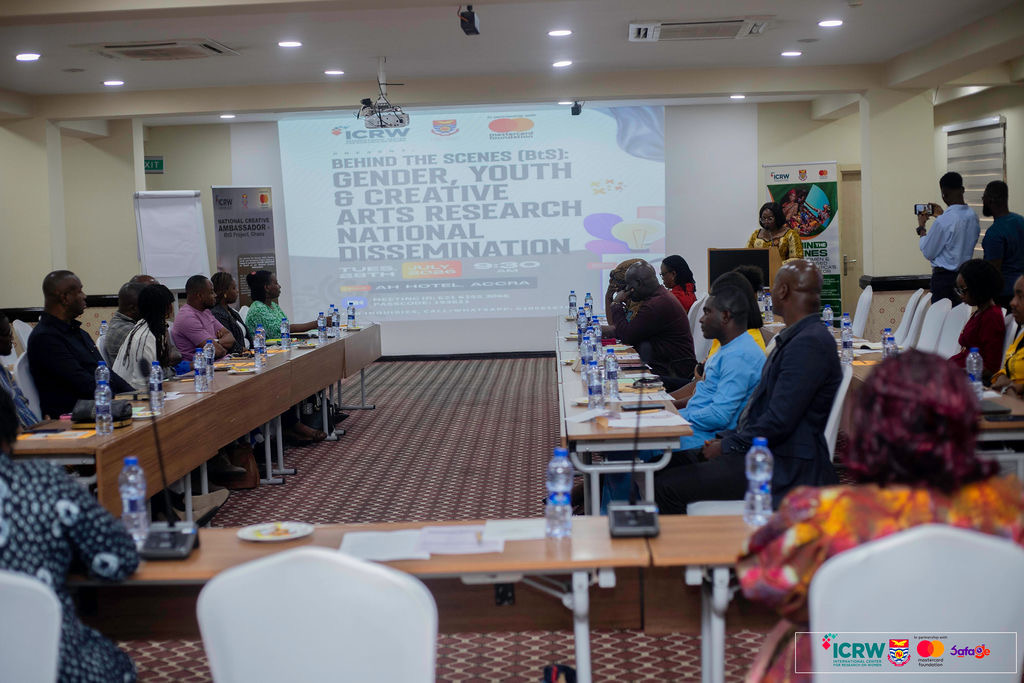
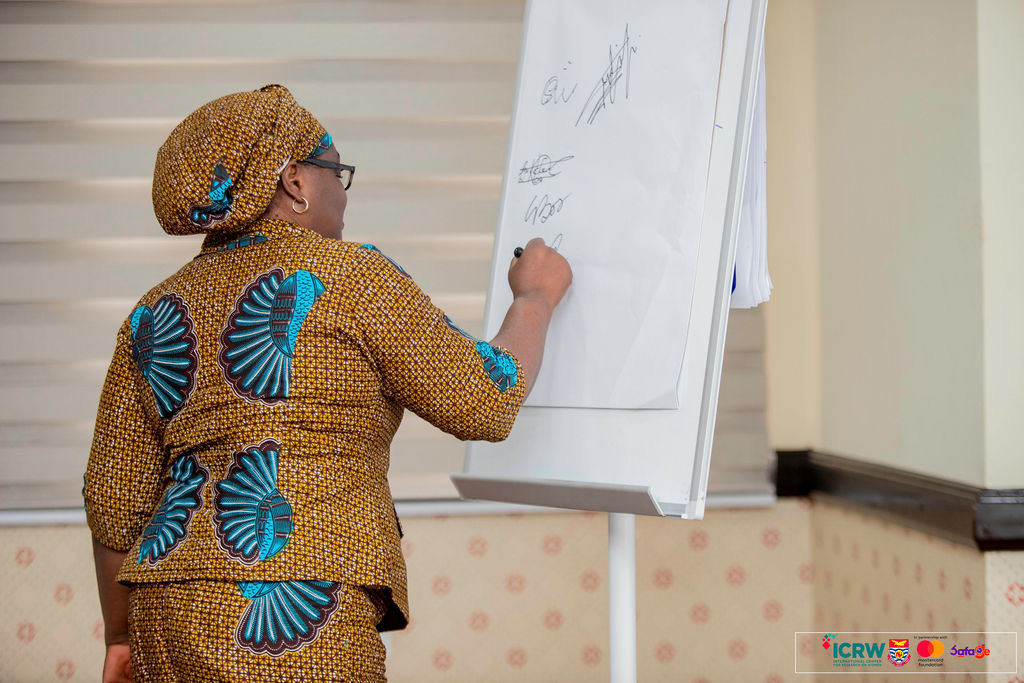
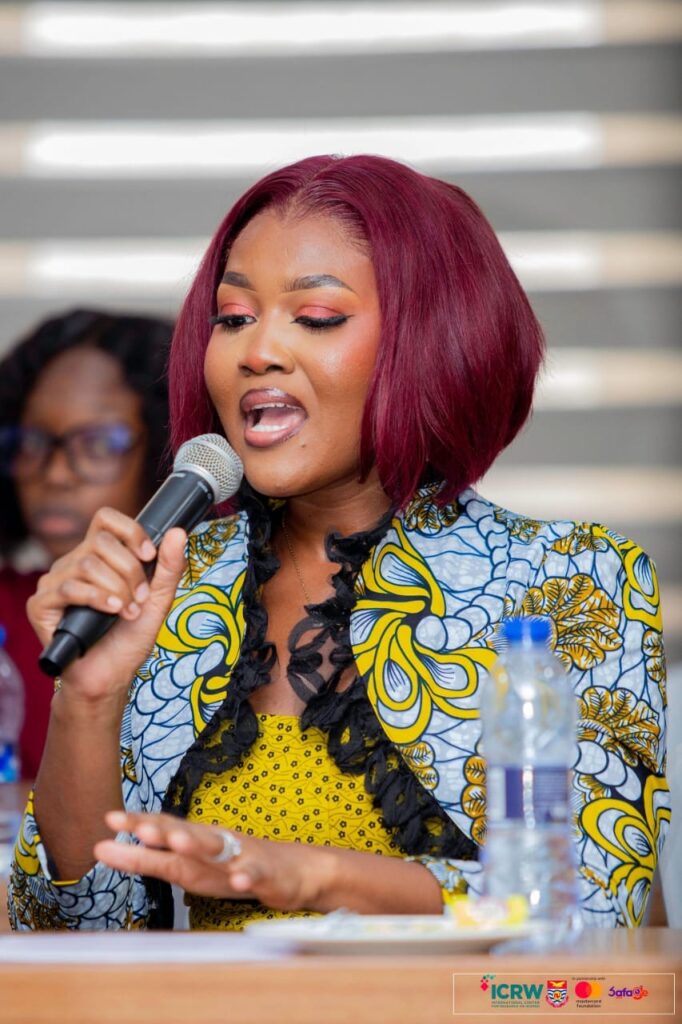
The findings were presented on Tuesday, 28 July 2026 at the national dissemination of the Behind the Scenes (BtS): Young Women and Gender-Based Inequities in Africa’s Creative Sector project in Accra. The event brought together government officials, researchers, development partners and stakeholders from the creative industry.
Held at the AH Hotel, the event was organised by the Behind the Scenes Project Ghana, based in the Department of Sociology and Anthropology at the University of Cape Coast (UCC). The project is led by Prof. Georgina Yaa Oduro and Prof. Joshua Amo-Adjei, with support from the International Center for Research on Women (ICRW) Africa in partnership with the Mastercard Foundation. It was chaired by Dr Rebecca Ohene-Asah, Dean of the Faculty of Digital Media and Design at the University of Media, Arts and Communication (UniMAC).
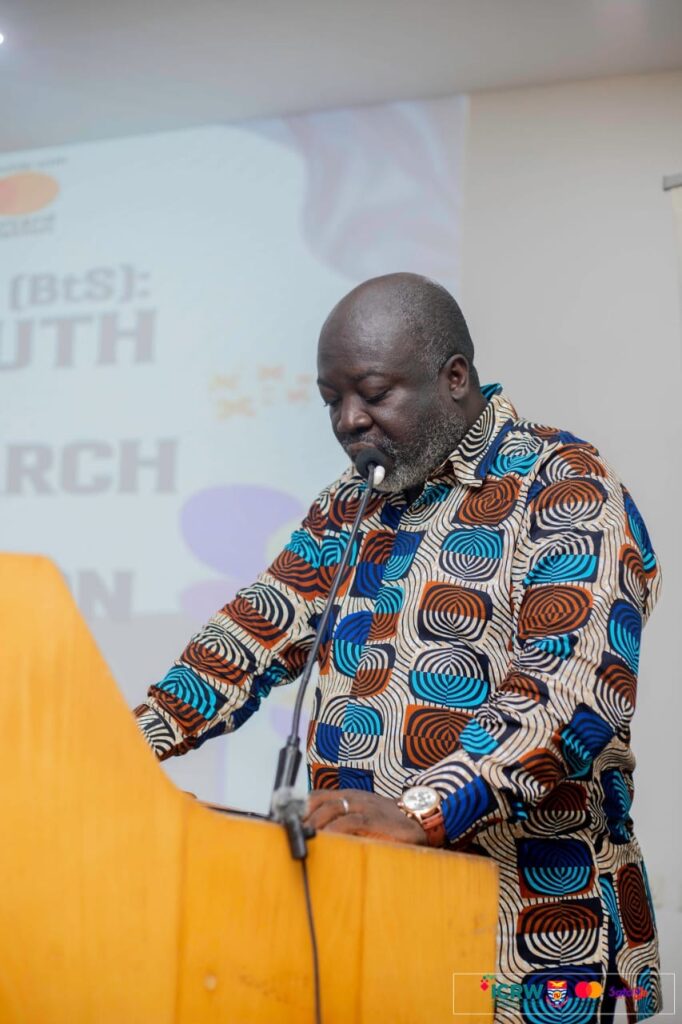
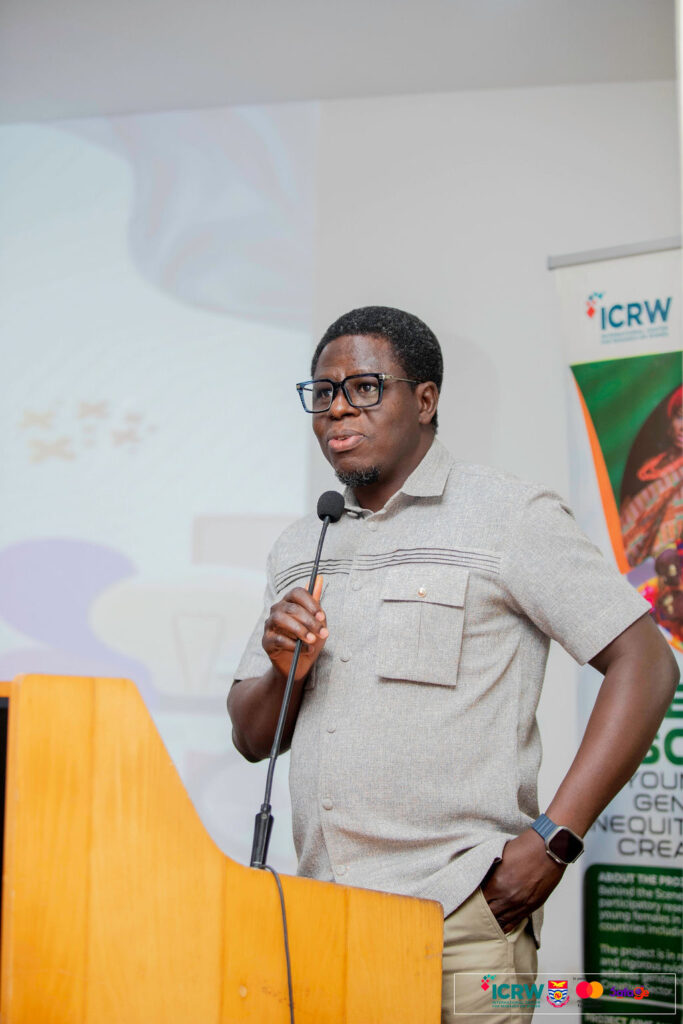
Presenting the study’s key findings, Co-Lead Prof. Joshua Amo-Adjei of UCC’s Department of Population and Health said sexual harassment and discrimination emerged as rampant and among the most significant challenges facing young women in the sector.
He noted, however, that despite these barriers, many young women continued to find fulfilment in their creative work and remained determined to succeed. He said this resilience should inform the design of future interventions by policymakers and stakeholders.
Introducing the programme, Country Lead Prof. Georgina Yaa Oduro traced the project’s journey from its inception in 2024, highlighting its dual focus on documenting the lived experiences of young women in the creative sector while building the research capacity of young people, including through the work of a National Creative Ambassador.
She thanked the many stakeholders who supported the project from its inception workshop through data collection to the dissemination of the findings.
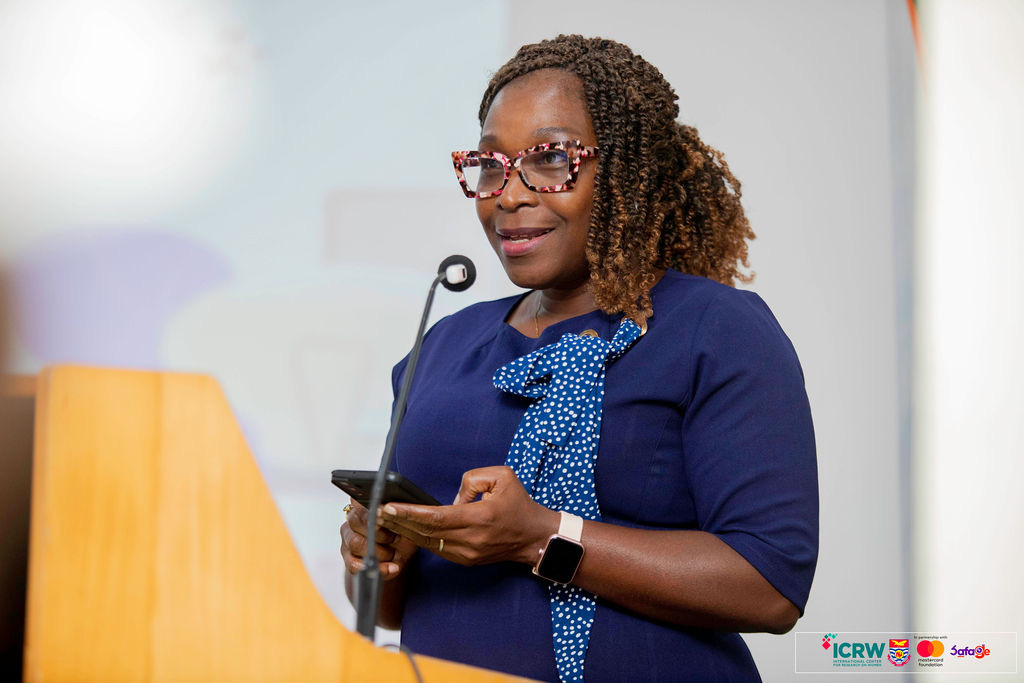
Delivering a statement on behalf of the Minister for Gender, Children and Social Protection, Ministry representative Mrs Vera Karikari Bediako described the passage of Ghana’s Affirmative Action (Gender Equity) Act as a historic milestone. She noted that although discussions around the law often focus on the public sector, its provisions equally apply to industries such as the creative economy.
She said the Ministry had established a Gender Equity Committee and Secretariat and rolled out stakeholder engagements, capacity-building initiatives and public education to support implementation of the Act. She welcomed the study’s findings as evidence that would strengthen those efforts.
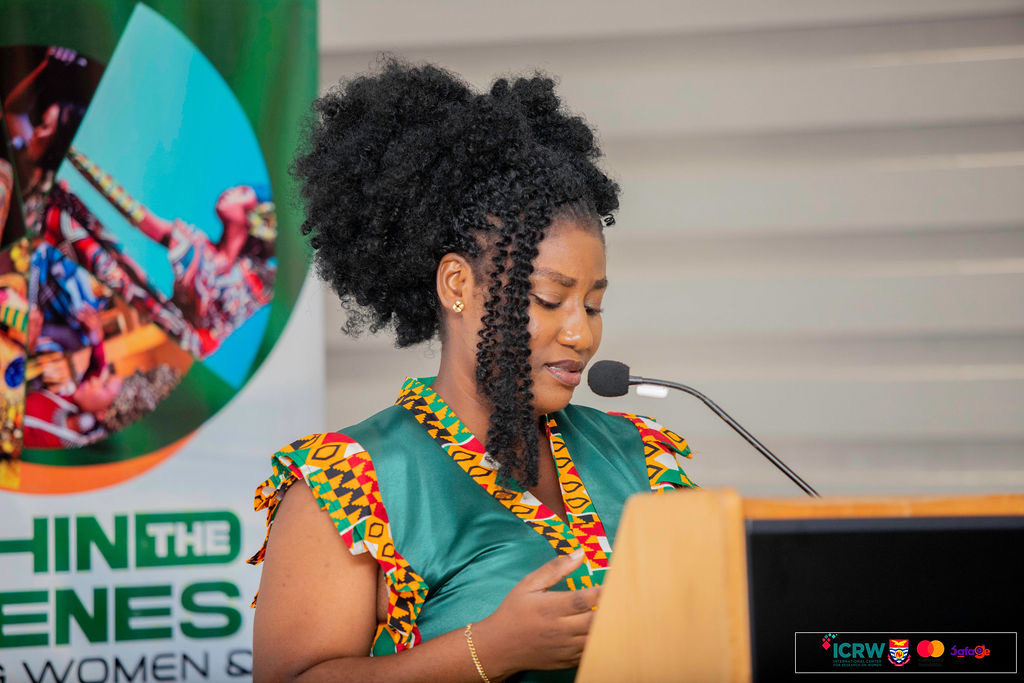
In a statement delivered on behalf of the Minister for Tourism, Culture and Creative Arts, Abla Dzifa Gomashie said the experiences of young women had often remained hidden “behind the scenes” of a sector celebrated as the heartbeat of Ghana’s cultural identity.
She called for the findings to translate into safer workplaces and clearer leadership pathways for women, and pledged the Ministry’s commitment to working with the Creative Arts Agency to implement the recommendations.
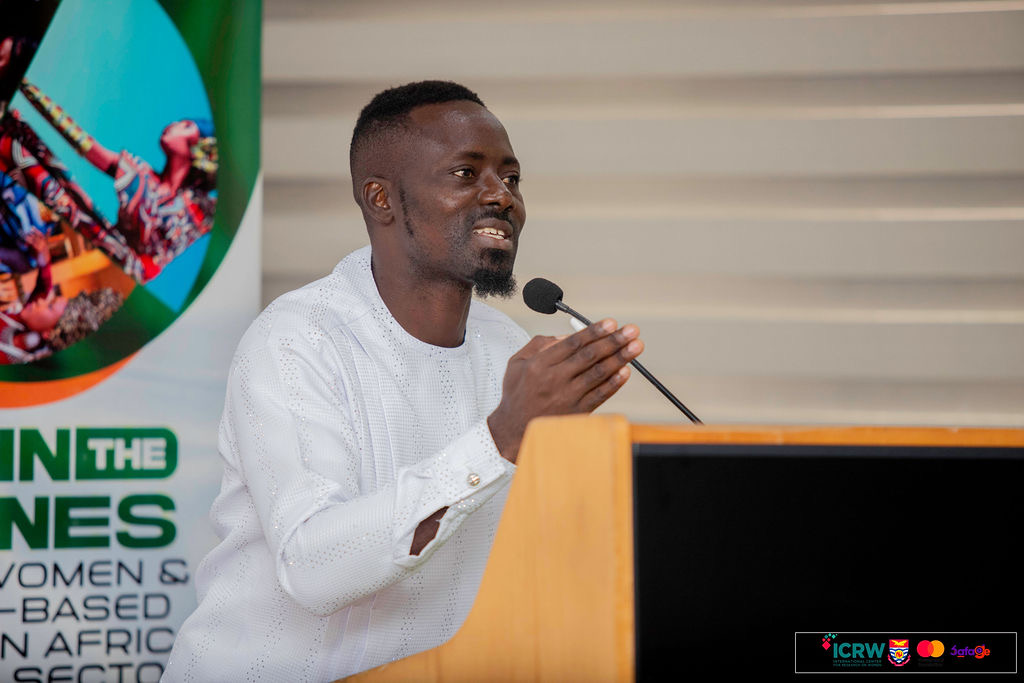
National Creative Ambassador Juliana Amoateng said months of translating the research into public conversations had shown that many women responded to the findings not with surprise but with recognition, sharing their own experiences once the data gave language to what they had long endured.
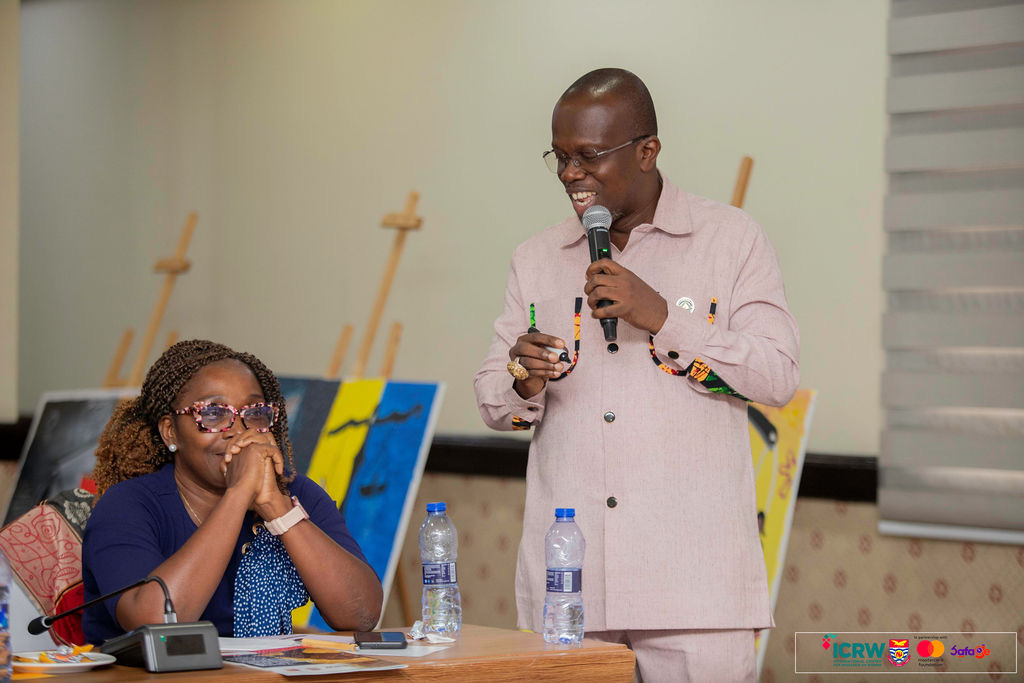
Representatives of the Mastercard Foundation, ICRW, UNESCO, DRIC-UCC, UniMAC, the Ghana Culture Forum, the Ghana Arts and Film and Theatre Academy (GAFTA), UNFPA, the Ghana National Research Fund (GNRF), the Ghana Education Service (GES) and the National Theatre of Ghana attended the event. Several delivered messages of solidarity and reaffirmed their commitment to the project’s objectives before the programme concluded with a discussion on the way forward.
The dissemination forms part of a wider seven-country study being conducted in Ghana, Kenya, Ethiopia, Nigeria, Rwanda, Senegal and Uganda to examine gender-based inequities affecting young women in Africa’s creative sector.
Latest Stories
-
Livestream: The Law examines lawful arrest in Ghana
19 minutes -
Mahama urges African governments to treat healthcare as an investment, not budget cost
54 minutes -
Bawumia congratulates John Boadu and new NPP executives, pledges support ahead of 2028
55 minutes -
‘No talent should be left out’ – Bawumia pledges inclusive NPP campaign for 2028
1 hour -
Prof. Mike Oquaye recounts how he blocked Special Prosecutor’s attempt to arrest Bawku Central MP
1 hour -
Make health sovereignty a priority for Africa – Mahama
1 hour -
Dorimon Naa, Wa West DCE lead massive clean-up exercise; threaten sanctions against recalcitrant residents
2 hours -
Photos from Adom FM Y2K Jam
2 hours -
Praye Tiatia steals the show at Adom FM Y2K Jam [Watch]
2 hours -
Boakye Agyarko congratulates John Boadu, pledges support for NPP leadership
2 hours -
Antwi HiMight thrills fans with Antwi ne Antwi hits at Adom FM’s Y2K Jam [Video]
2 hours -
Amb. Edward Boateng congratulates Boadu, Kodua on election wins
3 hours -
John Boadu pledges to rebuild NPP from grassroots and restore ‘winning machinery’
3 hours -
Ashaiman Assembly deploys monitoring system to curb dumping in storm drain
3 hours -
John Boadu must rebuild, unite NPP for 2028 – Edward Boateng
3 hours