

Audio By Carbonatix
From a modest flower exhibition to an internationally recognised movement, the Ghana Garden and Flower Show has blossomed into a powerful platform promoting enterprise, environmental stewardship and sustainable development. As preparations gather pace for the 14th edition, Peter Martey Agbeko explores how flowers, gardens and green spaces are becoming catalysts for economic transformation, climate resilience and national pride.
There was a time when flowers were largely viewed as decorative luxuries reserved for weddings, funerals, hotel receptions and special occasions. Gardens were admired for their beauty, while horticulture and floriculture were often regarded as hobbies rather than serious economic activities.
That perception is changing rapidly.
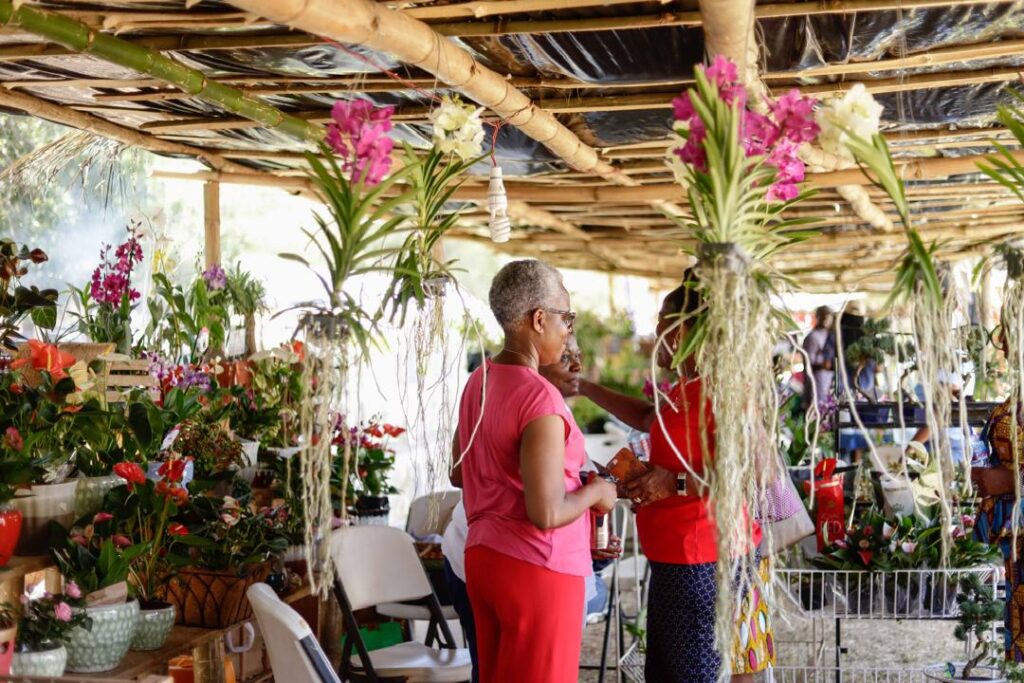
Across the world, governments, businesses and investors are increasingly recognising that the green economy is not merely about protecting the environment. It is about creating jobs, generating wealth, attracting investment, strengthening food systems, improving public health and building communities that are more resilient to climate change.
For Ghana, the opportunities are enormous.
With its fertile soils, favourable climate, rich biodiversity and growing entrepreneurial spirit, the country possesses many of the ingredients needed to develop a vibrant horticulture and floriculture industry capable of serving domestic markets while competing internationally. Yet,much of this potential remains largely untapped.
It is against this backdrop that the 14th Ghana Garden and Flower Show (GGFS) returns from September 12 to 21, 2026, at the Efua Sutherland Children's Park in Accra under the compelling theme, "Green Means Business, Beauty and More."
The theme is far more than a marketing slogan.
It is a bold declaration that Ghana's green economy deserves to occupy a central place in national conversations about economic transformation, youth employment, climate resilience and sustainable development.
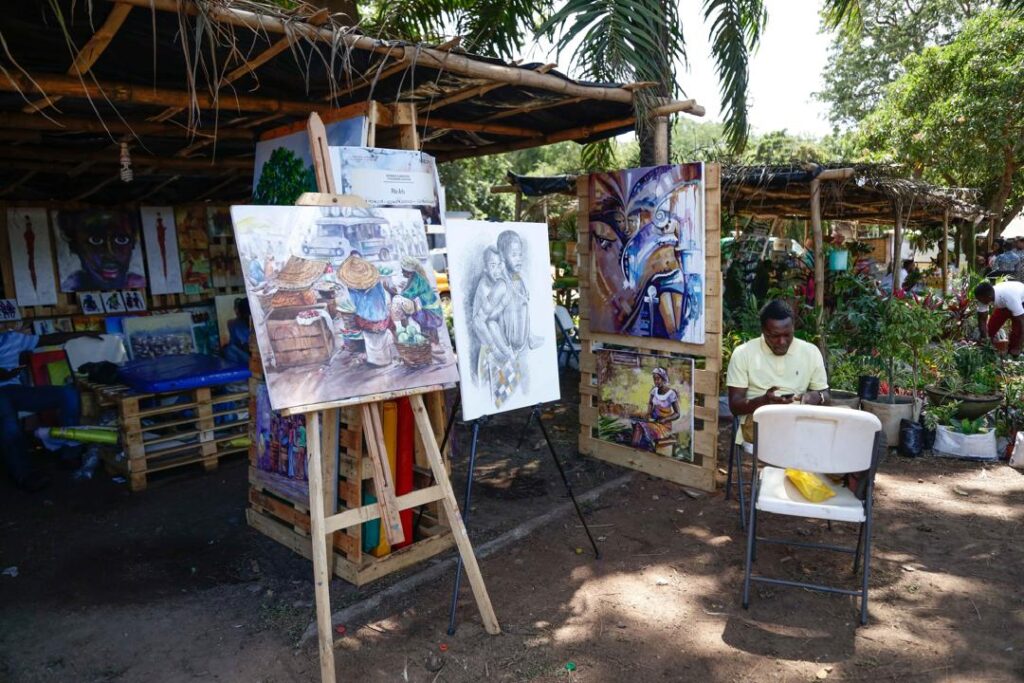
This year's show promises to be the biggest and most ambitious yet, bringing together government institutions, private businesses, development partners, researchers, educators, landscapers, flower growers, horticultural experts, entrepreneurs and thousands of visitors eager to discover the extraordinary opportunities hidden within one of Ghana's most overlooked sectors.
My wife and I certainly intend to be among them.
Like many Ghanaians, we derive immense satisfaction from nurturing plants and flowers around our home. Every visit to the Ghana Garden and Flower Show has resulted in at least one new addition to our modest garden. Beyond the pleasure of buying plants, however, each visit has reinforced an important lesson—that gardens are not merely about aesthetics; they are about healthier living, environmental responsibility and increasingly, economic opportunity.
That, perhaps more than anything else, explains why the Ghana Garden and Flower Show has evolved from a colourful annual exhibition into a movement that is quietly reshaping attitudes towards Ghana's natural environment.
One Woman's Vision Takes Root
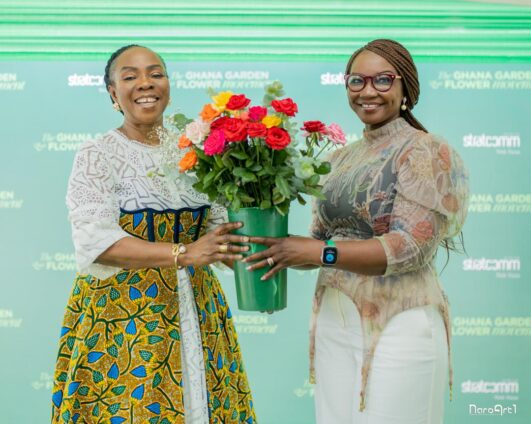
Behind this remarkable transformation stands Esther Amba Numaba Cobbah, Founder and Chief Executive Officer of Strategic Communications Africa Limited (Stratcomm Africa), Ghana‘s premier total communications agency.
A respected communications strategist whose distinguished career spans academia, public policy and international consultancy, Ms. Cobbah currently serves as President of both the International Public Relations Association (IPRA) and the Institute of Public Relations (IPR), Ghana—a rare distinction that reflects her standing within the global communications profession.
Yet, despite these impressive credentials, it is perhaps the Ghana Garden and Flower Movement (GGFM) that most vividly illustrates her philosophy that strategic communication should be a catalyst for national development rather than merely a tool for publicity.
Launched in 2013 as Stratcomm Africa's flagship corporate social responsibility initiative, the Movement sought to encourage Ghanaians to appreciate the environmental, commercial, aesthetic and health benefits of gardens, flowers and green spaces. As a communication agency, Stratcomm Africa seeks to employ this Movement and associated Show as a communication tool for behaviour development and change in respect of environmental sustainability and job creation
What began as an awareness campaign soon evolved into something much bigger.
Today, the Ghana Garden and Flower Movement has become a registered non-profit organisation with an independent Advisory Board, bringing together government agencies, private companies, development partners, academia and civil society around a shared vision of creating "A Greener, Cleaner, Healthier, Wealthier and More Beautiful Ghana."
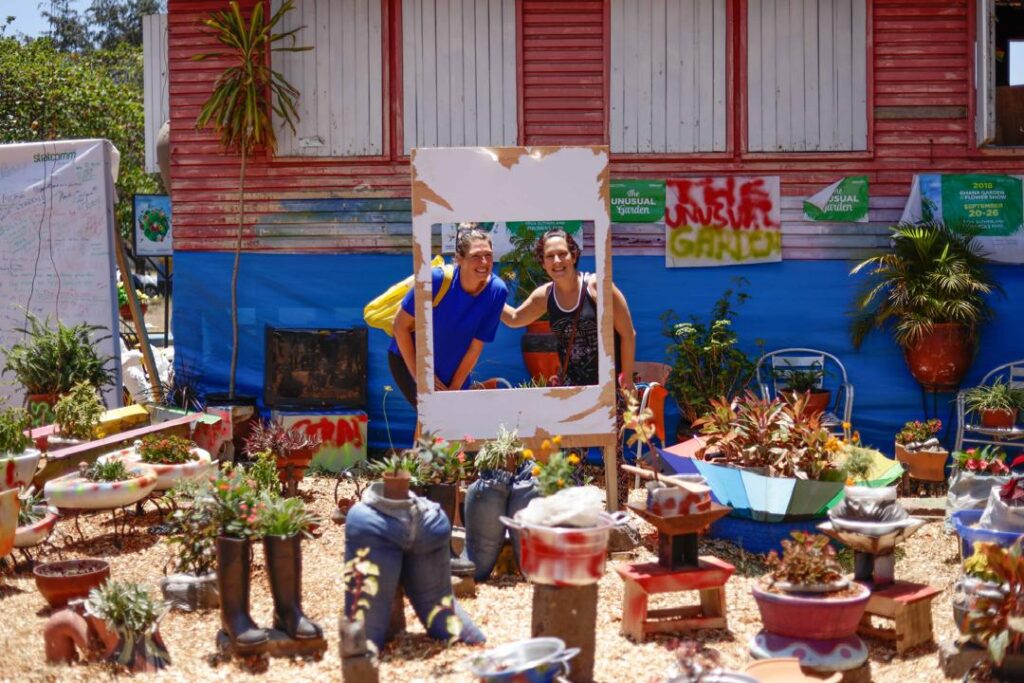
Over the past fourteen years, the annual Ghana Garden and Flower Show has become the Movement's flagship event, inspiring thousands of Ghanaians to see flowers, trees, herbs, vegetables and ornamental plants not simply as decorative additions to homes but as valuable economic resources capable of generating employment, improving livelihoods and enhancing national wellbeing.
Its influence now extends well beyond Ghana's borders.
The Movement has established partnerships with international organisations, including, in the past, the Programma Uitzending Managers (PUM) Netherlands Senior Experts, whose technical collaboration has strengthened knowledge-sharing and capacity building within Ghana's floriculture and horticulture industries.
This year marks another important milestone.
The Ghana Garden and Flower Movement has joined the Africa Horticultural Circle, opening new opportunities for regional collaboration, innovation and market development. As part of this growing continental partnership, horticultural experts from Nigeria will participate in this year's show, conducting specialised masterclasses and collaborating in organising the prestigious African horticulture awards that form part of the event.
These developments signal the Movement's growing ambition—not merely to organise Ghana's premier garden show but to position Ghana as a significant player within Africa's expanding green economy.
International Recognition
Recognition has followed achievement.
Last year alone, the Ghana Garden and Flower Show received four prestigious awards (including the prestigious Global Contribution Award for PR with an objective of meeting one of the UN’s Sustainable Development Goals), from the International Public Relations Association (IPRA), underlining the event's growing reputation as one of Africa's most innovative examples of communication for social impact.
The honours recognised not simply the quality of the event itself but its effectiveness in using strategic communication to encourage environmental stewardship, stimulate entrepreneurship and influence positive behavioural change.
Such recognition reflects years of careful planning, consistent stakeholder engagement and a determination to demonstrate that communications can be an engine of socio-economic transformation.
Indeed, few corporate social responsibility initiatives in Ghana have sustained both their momentum and relevance over fourteen consecutive years while continuing to expand their influence nationally and internationally.
More Than Flowers
It would be easy to mistake the Ghana Garden and Flower Show for simply another lifestyle exhibition filled with colourful blooms and attractive landscaping displays.
That would be a serious misunderstanding.
Behind every flower arrangement lies a business opportunity.
Behind every landscaped garden is a skilled professional.
Behind every nursery is an entrepreneur.
Behind every tree planted stands an investment in climate resilience, healthier communities and future generations.
Increasingly, policymakers, investors and development experts are recognising that the industries surrounding horticulture and floriculture possess enormous potential to diversify Ghana's economy while contributing directly to employment creation, tourism, public health and environmental sustainability.
It is precisely this broader vision that continues to distinguish the Ghana Garden and Flower Movement from conventional exhibitions.
For Esther Cobbah and her dedicated team, the annual show has never been solely about flowers.
It has always been about transforming mind-sets.
NB: You may want to read the continuation of this article, which will be published next week on this platform.
Latest Stories
-
Mercy Ships mission to deliver at least 2,400 surgeries, train Ghanaian health workers – Health Minister
3 minutes -
Central Regional Prisons Command launches Medicine and Equipment Bank
4 minutes -
Gender Ministry launches 2026 National Breast Cancer Awareness Month in Ho
8 minutes -
GAPTE must stick to advertised times for the contra-flow system – Local Minister
18 minutes -
Mahama links recent Hohoe flooding to extreme weather linked to climate change
18 minutes -
President Mahama directs MMDCEs to hold biannual Accountability Series
22 minutes -
Ghana Christian International High School, North York Academy deepen Ghana-Canada educational partnership
27 minutes -
GNAT, NAGRAT, PTTA-GH tell teachers in Volta and Oti to stay out of classrooms
48 minutes -
Salaga North MP calls for immediate implementation of NADMO fund
55 minutes -
La Dade-Kotopon MP protests Pleasure Beach demolition, says authorities were not informed
55 minutes -
Diplomatic Seeds and Cultural Roots: Russia’s Growing Soft Power Footprint in West Africa
58 minutes -
Anthony Karbo dismisses claims of Bawumia-backed candidates in NPP executive elections
58 minutes -
Kurt must go
1 hour -
St Augustine’s, Mfantsipim, Prempeh and Corpus Christi battle for 2026 Investment Quiz crown
1 hour -
Nepal avalanche kills at least 15 expedition workers
1 hour