

Audio By Carbonatix
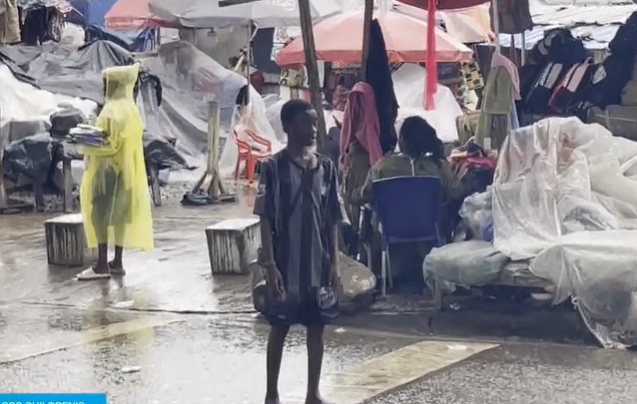
Thirteen-year-old Emma wakes up each morning not to the sound of a school bell, but to the noise of traffic beneath the Kwame Nkrumah Circle Interchange in Ghana's capital, Accra.
His bed is a worn-out mat spread over a concrete surface. His belongings are few, packed away each morning as he prepares to face another day on the streets with his mother, Adjoa.
A year ago, Adjoa left Koforidua with her son for Accra, hoping the capital would offer them work and a better life. But without a stable income or a place to live, the streets became their refuge.
As other children prepare for school, Emma joins his mother to beg for money to buy food.
“I want my son to go to school like every other child. But if we don't come onto the streets to beg together, we won't even get something to eat,” Adjoa says.
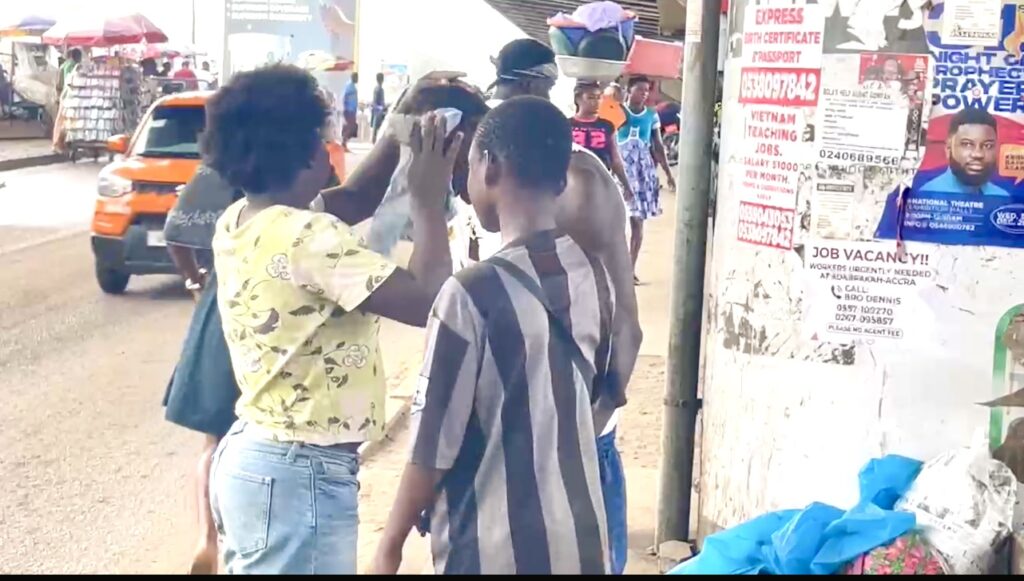
For Emma, begging has become part of his daily routine.
“I go round sometimes with my mother and sometimes alone to beg for money so that I bring it to my mother and we buy food with it.”
Yet, amid the hardship, Emma still holds on to a dream.
Each day, he watches children his age walk to school with backpacks and lunchboxes. He longs to join them.
“I want to go to school. But my mother says she doesn't have money, so I have to follow her to beg before we can get food,” he says.
Emma dreams of becoming a law enforcement officer, but for now, survival takes priority over education.
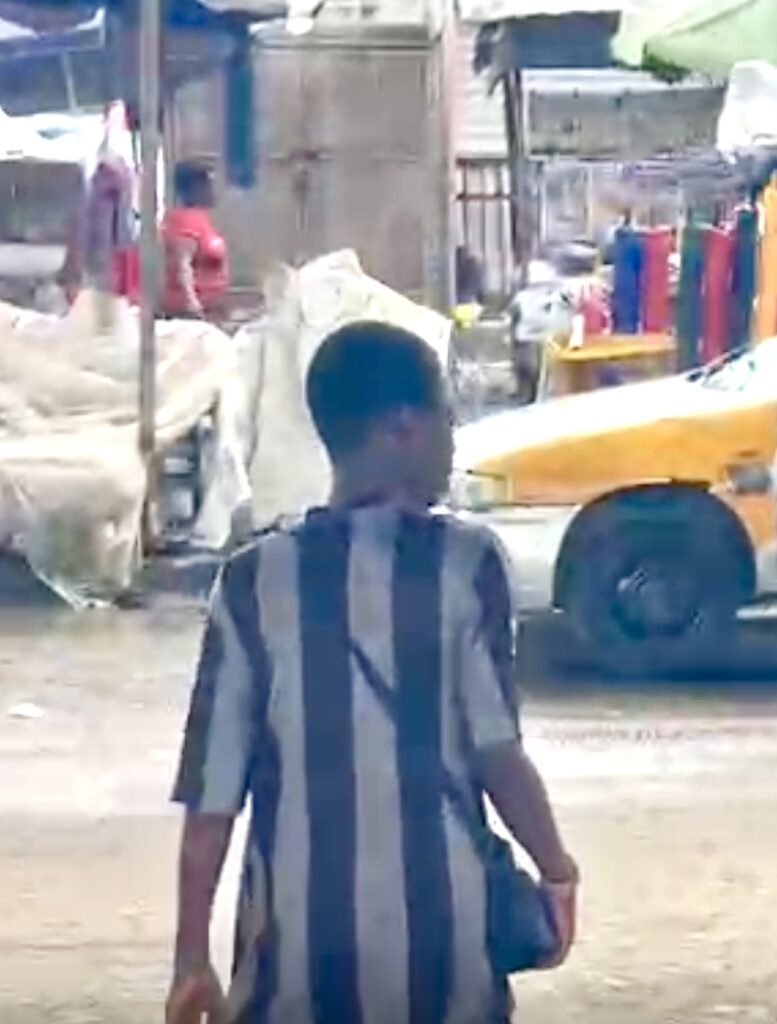
Three days after our first encounter, little has changed. Emma remains in the same environment, walking the same streets and depending on the generosity of strangers.
For Adjoa, getting her son into school has become an urgent priority.
“My child's education is my priority now. I just need help to take him to school.”
Emma's experience reflects the harsh reality facing thousands of children living or working on the streets.
UNICEF estimates that about 150 million children worldwide live or work on the streets, exposing them to multiple forms of vulnerability, including abuse, exploitation and violence.
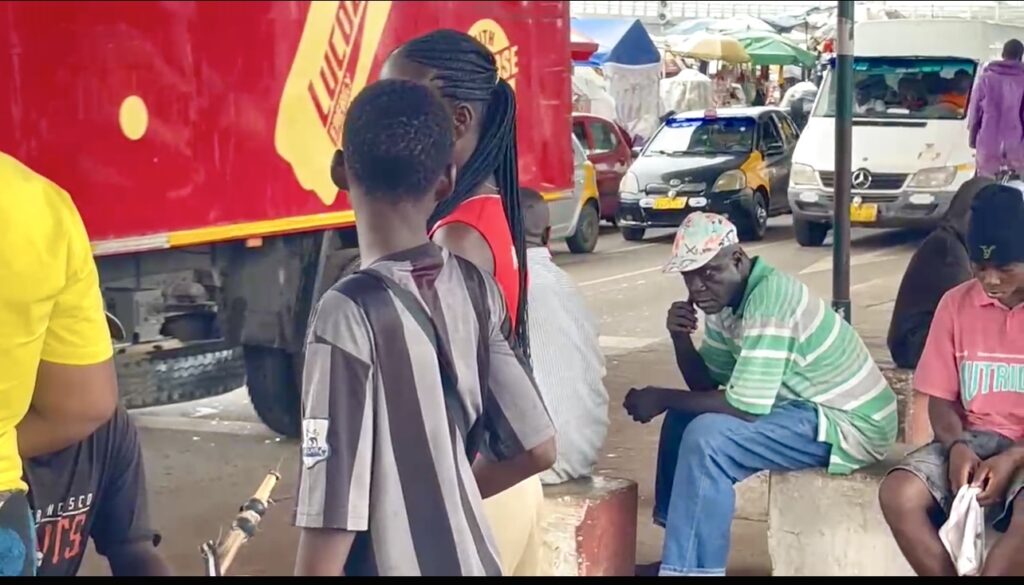
In Accra alone, UNICEF research has identified approximately 61,000 children living or working on the streets.
UNICEF Child Protection Specialist Hilda Mensah says the figures highlight the scale of the challenge.
“Our research revealed that approximately 61,000 children were living or working on the streets of Accra, exposing them to multiple forms of vulnerability and abuse.”
For children like Emma, life on the streets comes with limited access to education, healthcare, shelter and protection.
As night approaches, the risks increase — from exposure to harsh weather and busy roads to violence, abuse, exploitation and trafficking.
Government institutions and civil society organisations continue to support vulnerable children through shelters, counselling, education assistance and family reunification programmes.
But Child Rights International Executive Director Bright Appiah says more sustained action is needed.
“We need a stronger social protection system and coordinated government action to ensure that no child is forced to survive on the streets.”
Emma's story is more than one child's struggle.
It is a reminder of children whose dreams are being pushed aside by the daily battle to survive.
For Emma, school remains a dream. A safe home remains a dream. And the chance to simply experience childhood remains uncertain.
Until those dreams become a reality for children like him, the streets of Accra will continue to expose a painful question: How many childhoods are being lost to poverty?
Latest Stories
-
Ghana Gas looks beyond profits as PURC backs fresh investment in infrastructure
3 minutes -
GoldBod bans export of unrefined gold dore, effective 1st September
19 minutes -
Ban on unauthorised use of sirens still in force – Deputy Interior Minister
22 minutes -
NDC Upper West Youth & TEIN Retreat: Saankara declares national bid as party stalwarts demand equity
36 minutes -
$1.7bn loss could fund completion of Agenda 111 project – NPP
39 minutes -
NSMQ 2026: See the schools battling in 27 One-Eighth stage contests
43 minutes -
Political vigilantism now an organised threat to Ghana’s elections – National Security Coordinator
44 minutes -
Mzbel faces backlash over comments about 19-year-old man
50 minutes -
Youth Employment Agency setting up EV ‘bike’ delivery brigade
50 minutes -
Russian stadium says it won’t host Kanye West gigs
58 minutes -
EOCO, Engage Now Africa rescue 20 Burkinabè nationals from suspected trafficking network
1 hour -
Women could take over the world in 10 to 15 years – Ahuofe Patri
1 hour -
Vigilante mobilisation has moved online through social media, encrypted chats – National Security
1 hour -
Trump envoy calls for Sudan-wide arms embargo as drone attacks escalate
1 hour -
Self-reliance driving Rwanda’s governance and service delivery — Paul Kagame
1 hour