

Audio By Carbonatix
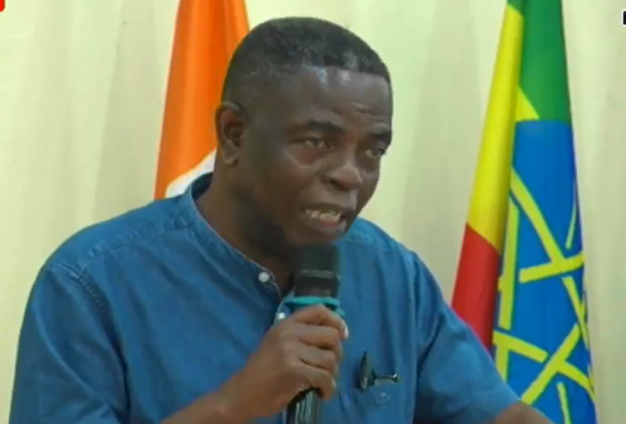
Veteran journalist and political commentator Kwesi Pratt Jnr has urged African youth to reject what he describes as externally driven political narratives and unite across generations to challenge exploitation, neocolonialism and the continued extraction of the continent’s natural resources.
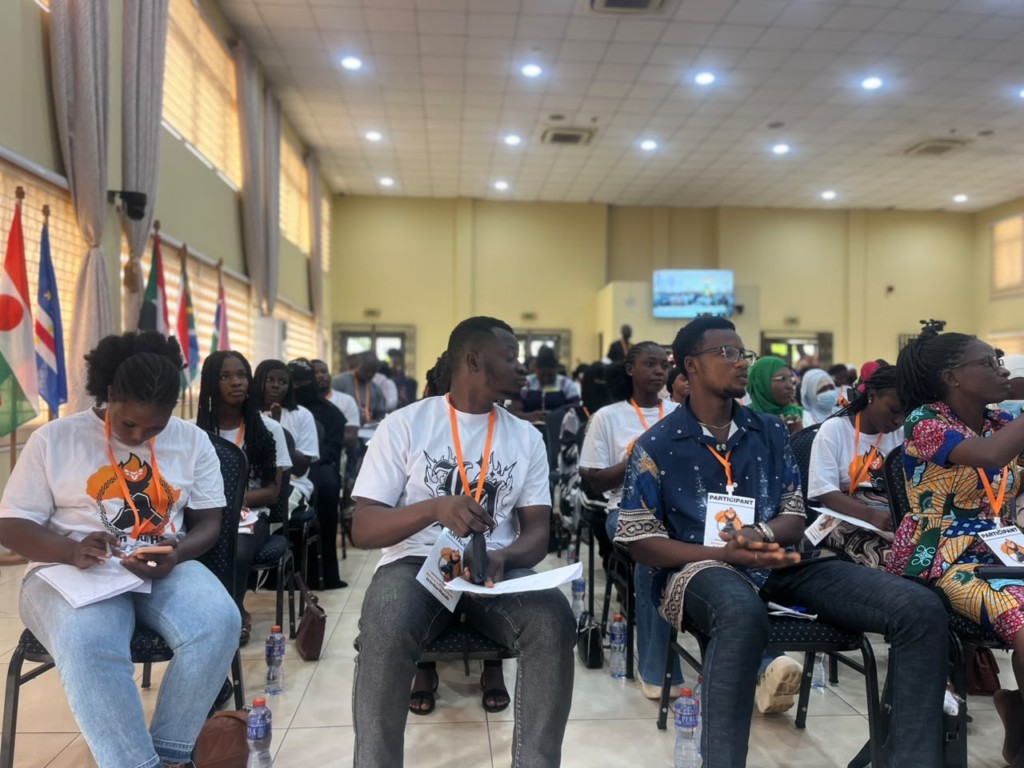
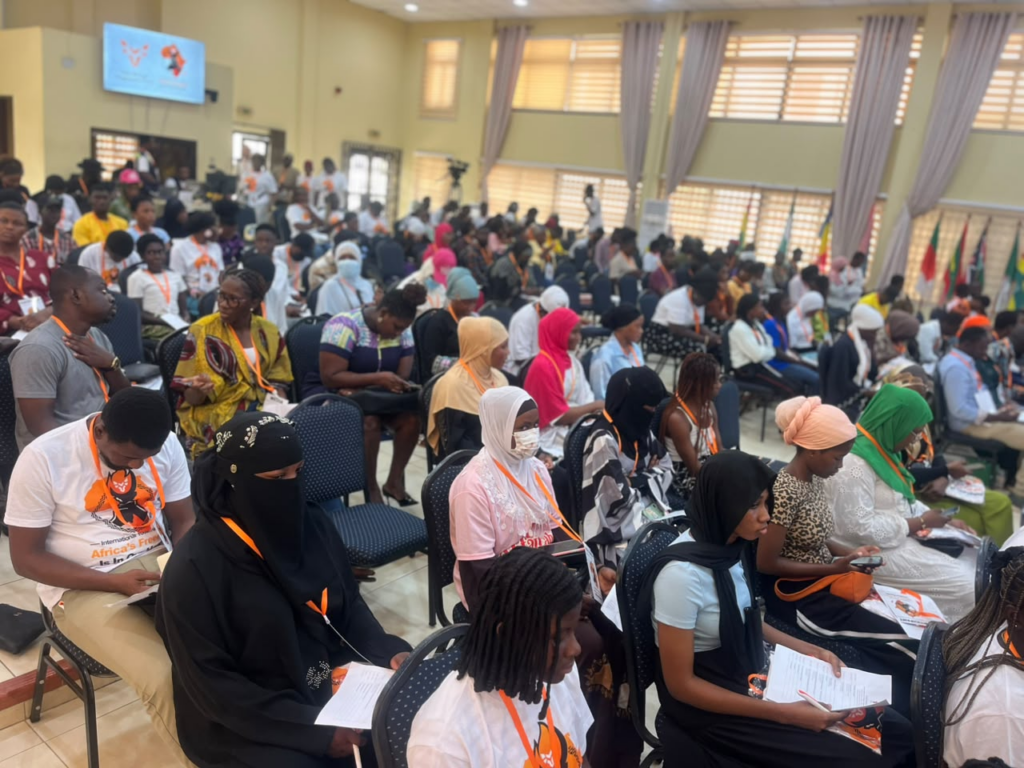
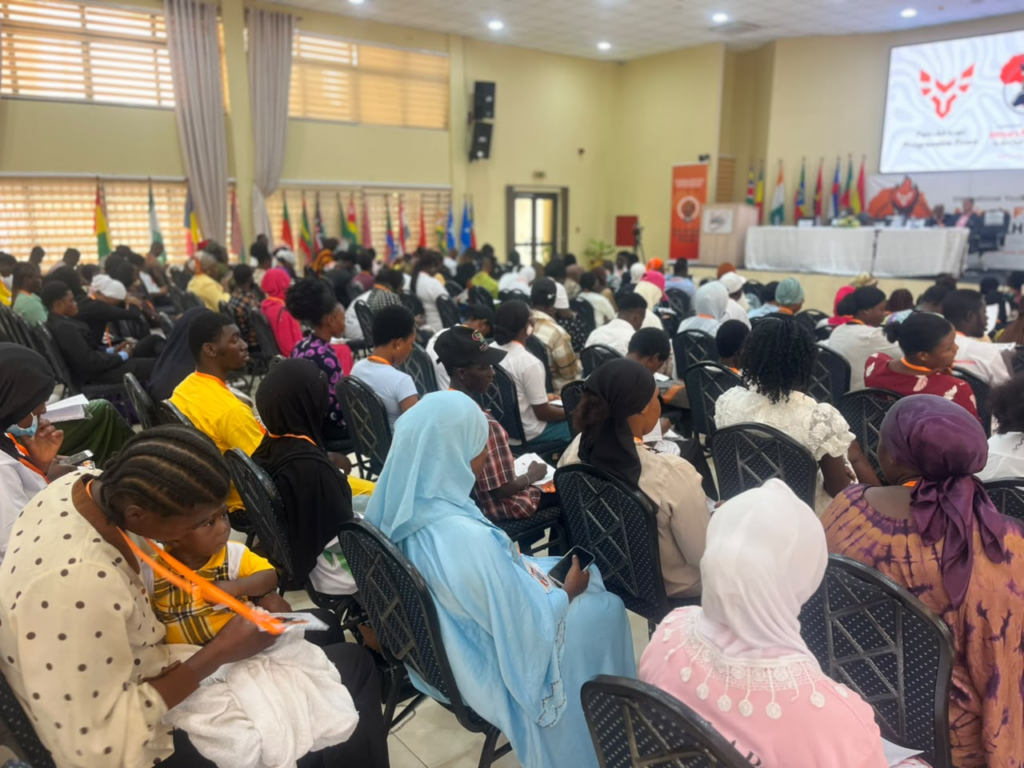
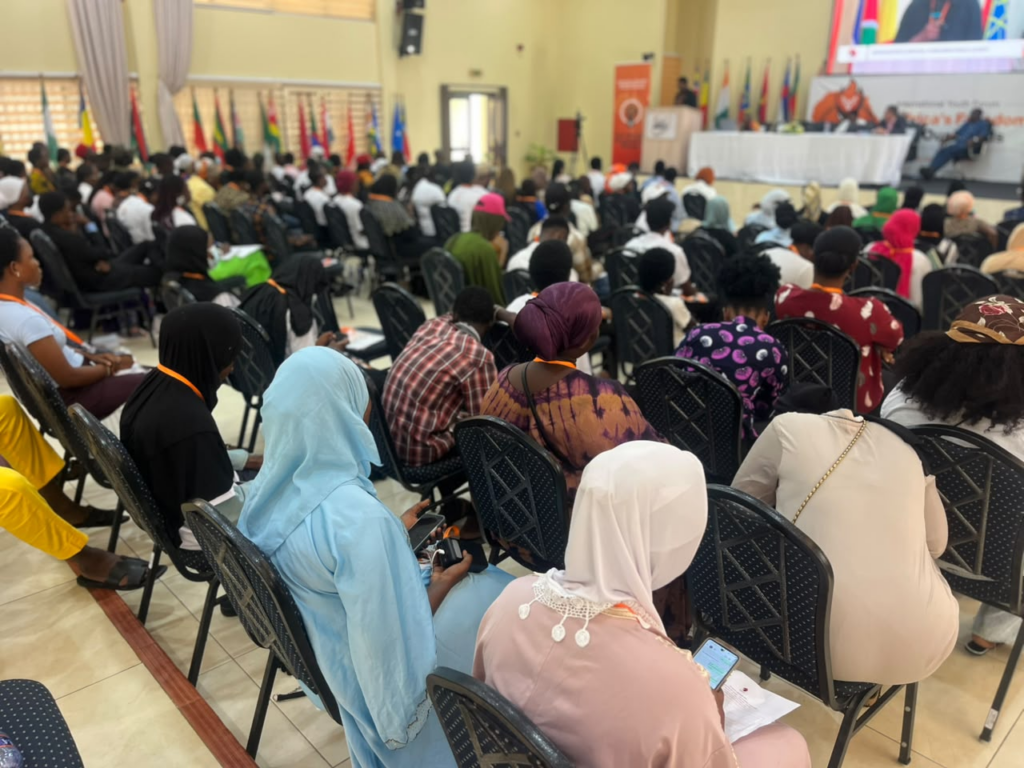
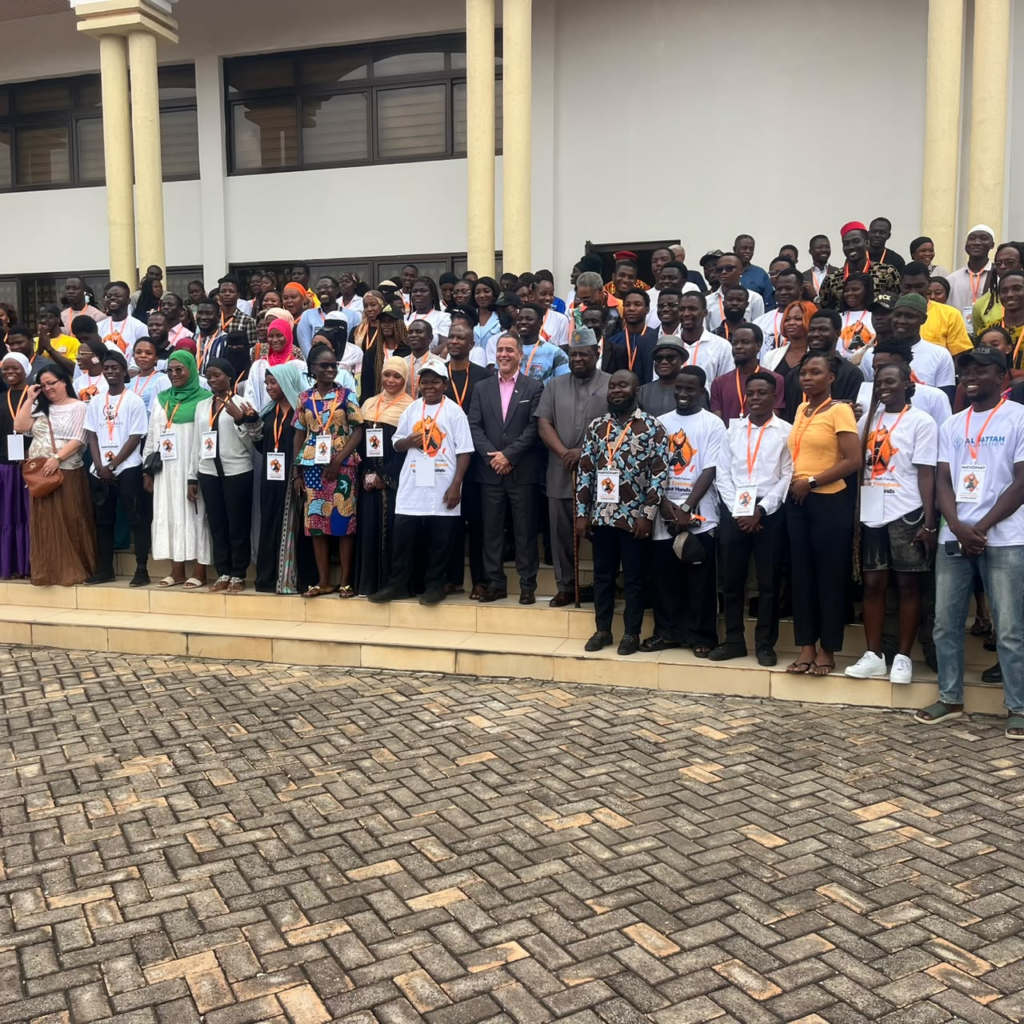
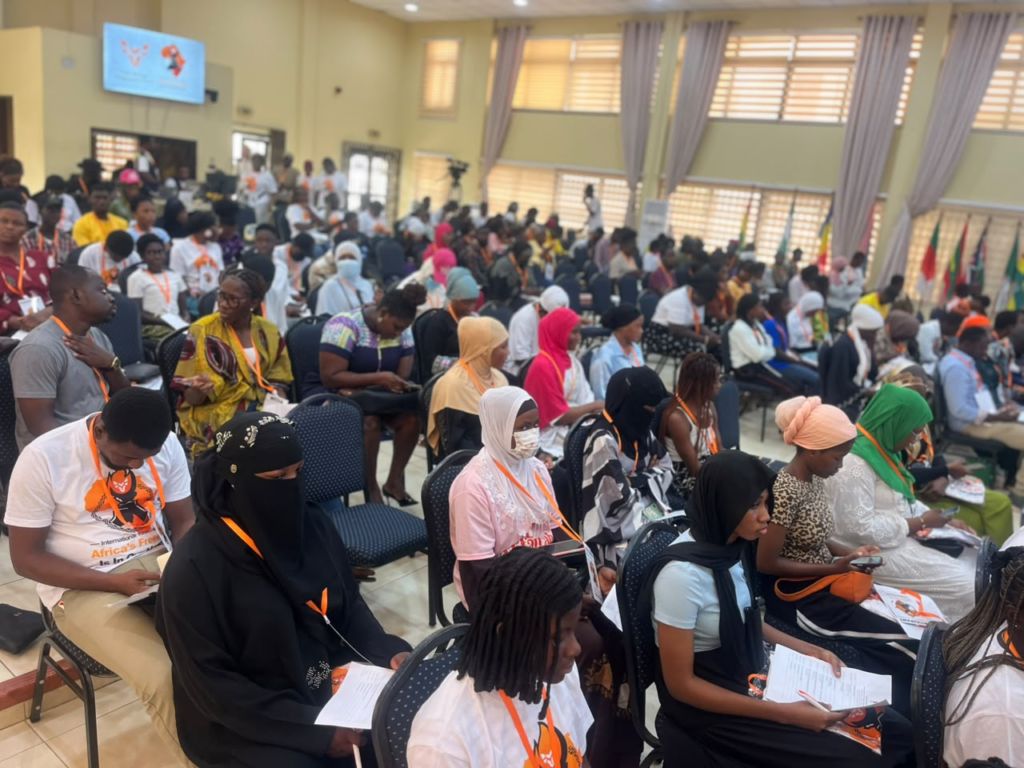
Speaking at the Youth Forum on Debt and Reparations at the ISSER Conference Hall of the University of Ghana, Legon, on Saturday, September 5, under the theme “Reclaiming Africa’s Wealth, Resisting Neocolonial Bondage,” Mr Pratt said Africa’s recent unity at the United Nations demonstrated what could be achieved when Africans speak with one voice.
He, however, criticised African governments for, in his view, undermining such efforts by entering defence cooperation agreements with the European Union and the United States, as well as intelligence cooperation arrangements with Ukraine.
He questioned how African countries could condemn the role of European powers in the enslavement and exploitation of Africans while subsequently entering agreements that could facilitate deeper foreign military and security involvement on the continent.
Mr Pratt said African countries must prioritise their own sovereignty and interests, particularly in confronting conflicts and insurgencies affecting the Sahel states of Mali, Burkina Faso and Niger.
He alleged that external powers were supporting insurgent groups seeking to destabilise the three countries, and argued that African attention should remain focused on defending their sovereignty.
Mr Pratt also turned his attention to the debate over the future of the Volta Aluminium Company (VALCO), questioning proposals to sell a majority stake to foreign investors to raise funds for its revival.
He said it was difficult to justify plans to raise about $600 million through the disposal of up to 70 per cent of VALCO when Ghana's bauxite resources are estimated to be worth billions of dollars.
He recalled that VALCO formed a critical part of Osagyefo Dr Kwame Nkrumah’s industrialisation vision, arguing that relinquishing control of such a strategic asset could undermine Ghana’s long-term economic interests.
“What is wrong with us?” he asked, questioning the decision to seek foreign ownership while Ghana possesses vast deposits of bauxite and other minerals.
He said Africa’s mineral wealth must be used to improve the living conditions of its people instead of being exported with limited benefits accruing to the countries where the resources are found.
Mr Pratt warned that the continent’s dependence on the extraction and export of gold, bauxite, diamonds, lithium and other minerals posed a serious threat to future generations because the resources are non-renewable.
He noted that while many Africans continue to struggle with access to quality education, potable water, electricity, food and adequate healthcare, the continent remains endowed with substantial natural wealth.
He urged Africans to consider what would happen when those resources are eventually depleted.
According to him, the situation should compel African countries to gain greater control over their resources and ensure that their extraction contributes meaningfully to domestic development.
Mr Pratt also argued that the structure of African infrastructure, particularly railway networks, reflects a colonial pattern of extracting raw materials rather than promoting domestic industrialisation.
He said railway lines frequently begin in areas rich in minerals such as gold, bauxite and lithium and terminate at ports, facilitating the movement of resources out of the continent.
He therefore called for a reorientation of infrastructure development so that roads, railways and other networks support local processing, industrialisation and African ownership of natural resources.
On the role of young people, Mr Pratt strongly rejected what he called the externally promoted “Gen Z revolution”, arguing that it lacks sufficient ideological content and risks creating an artificial divide between younger and older people who face similar socioeconomic challenges.
He said unemployed and economically disadvantaged young people share common interests with struggling workers and older people who also lack access to decent healthcare, employment and other basic necessities.
“The struggle is not about age. The struggle is about ending exploitation and oppression,” he said.
Mr Pratt urged young people to build solidarity with workers and other disadvantaged groups, stressing that the fight against exploitation should unite people regardless of their age.
The veteran journalist also criticised Ghana’s repeated engagement with the International Monetary Fund (IMF) and other international financial institutions.
He noted that Ghana had reportedly turned to the IMF about 18 times, but argued that the country continued to experience serious economic difficulties.
He further claimed that Ghana’s currency had lost about 32,000 per cent of its value since 1983, following the country’s renewed engagement with the IMF under the Rawlings administration.
Mr Pratt questioned the effectiveness of institutions including the IMF, World Bank, World Trade Organisation and United Nations, arguing that their structures were established when much of Africa was still under colonial rule and African interests were consequently not adequately represented.
He particularly criticised the United Nations Security Council structure, arguing that African countries have limited influence over decisions that carry greater international weight.
Mr Pratt said the reparations campaign should not be limited to financial compensation for the historical exploitation of Africa.
He argued that it should also seek to restructure international institutions, strengthen African control over natural resources and fundamentally alter the global economic and political order.
“The agenda for reparation is an agenda to reset the world,” he said.
Mr Pratt also backed calls for fundamental changes to Africa’s education systems, particularly the way colonialism is taught.
Drawing from his own education in Ghana, he criticised the emphasis on examining the “positive and negative effects” of colonialism, describing the approach as inadequate for developing a genuinely independent African outlook.
He said African education must be redesigned to encourage critical examination of colonial history and its continuing influence.
Mr Pratt further used the Christian hymn “Amazing Grace” to illustrate what he described as the need to critically examine cultural material inherited from the era of slavery.
He pointed to the hymn’s association with John Newton, who had been involved in the slave trade before becoming an abolitionist, and urged Africans to be more conscious of the historical origins of traditions and cultural practices they continue to embrace.
Mr Pratt said reclaiming Africa’s wealth would therefore require more than political declarations, insisting that continental unity, control over natural resources, a new orientation to development, education reform and resistance to systems of exploitation must form part of the broader reparations struggle.
Latest Stories
-
Road inspections not a witch-hunt against contractors — Agbodza
5 minutes -
HTU clinic upgraded to primary hospital after HeFRA inspection
6 minutes -
“When I am gone, people will appreciate” – Kurt Okraku
32 minutes -
“I love people who are not only critical but constructive” – Kurt Okraku
36 minutes -
TECNO’s Modular Phone and TAURUS win gold at IFA 2026, recognising breakthroughs in mobile and gaming technology
50 minutes -
Youth Forum in Accra calls for debt cancellation, reparations and African economic independence
57 minutes -
Dr Abu Sakara urges African youth to seize global upheaval for economic emancipation
1 hour -
Fulham booed off after third defeat in a row
1 hour -
Joy FM Back-to-School Fair 2026 ends in massive success after two days of discounts and one-stop shopping
1 hour -
Man City maintain 100% start with win over Coventry
1 hour -
Kwesi Pratt urges African youth to reject ‘Gen Z revolution’, reclaim Africa’s resources
2 hours -
Forest and Tottenham both still looking for first win after scrappy draw
2 hours -
Inter Milan mount stunning comeback to beat Napoli
2 hours -
PPF urges African youth to demand debt cancellation and reparations
2 hours -
Kwesi Pratt says reparations must deliver equal rights, African self-reliance
2 hours