

Audio By Carbonatix
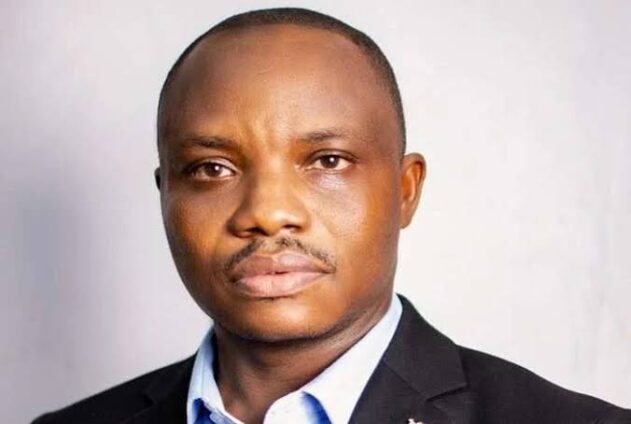
International relations expert Dr Ishmael Hlovor has defended the government’s expenditure of GH¢49.7 million on the evacuation of 1,964 Ghanaians from South Africa following renewed xenophobic attacks.
According to him, although the amount may appear high, the emergency nature of the operation meant the government could not secure services such as flights at the rates available for planned travel.
Speaking on Joy News, Dr Hlovor said emergency operations often come with higher costs because of the limited time available for preparations.
“While it may appear as a very large sum, you must also understand that this operation is kind of an emergency operation. Naturally, some of the things that you may apply at ordinary prices will have some inflated prices at the time because you are operating under emergency situations,” he said.
He said flight arrangements, for instance, could have been cheaper if authorities had sufficient time to plan and make bookings in advance.
Dr Hlover also urged Ghanaians to assess the expenditure beyond its financial implications, particularly in the context of Ghana’s foreign policy and the government’s responsibility to protect its citizens abroad.
He said the evacuation demonstrated Ghana’s willingness to intervene when the safety of its nationals is threatened.
“Where you are trying to communicate a certain understanding to the international community that Ghana is always ready to defend its citizens wherever they are. Then we may not necessarily be worried about the cost,” he said.
Dr Hlovor added that the expenditure could be justified if documentation supports the amount spent on the evacuees.
“No amount is too huge to be spent on the life of a Ghanaian,” he stated.
Foreign Affairs Minister Samuel Okudzeto Ablakwa, at a press briefing in Accra on Monday, September 7, disclosed that the evacuation cost a total of GH¢49,721,786.
The largest component, GH¢38,835,512, covered chartered flights, tickets, ground transportation, feeding, hotel accommodation, medical care and hospitalisation in South Africa.
Another GH¢10,802,000 was spent on reintegration and transportation allowances, while GH¢84,274 was used to repatriate the remains of two Ghanaian nationals who died during the crisis.
The government funded GH¢33,721,786 of the total cost.
Businessman Ibrahim Mahama, through Engineers and Planners, contributed GH¢16 million towards the exercise.
Mr Ablakwa said the entire cost had been paid, with no outstanding liabilities.
Latest Stories
-
‘BECE is now more or less a placement examination’ – Daniel Fenyi
16 minutes -
NDPC to track implementation of government’s new economy programme
23 minutes -
‘There is no fight over limited spaces’ — GES assures on SHS placement
29 minutes -
Come for your hat when you finish our road – Tumu chiefs tell Mahama
30 minutes -
AGN Chair demands urgent climate adaptation and food systems integration on road to COP32
30 minutes -
The untapped role of Queen Mothers in African economic development
36 minutes -
Hyundai KOICA NextGen project launched in Ghana to boost automotive skills
45 minutes -
Upper West Regional Minister lauds 4 police officers for busting deadly gang
55 minutes -
Abu Jinapor demands transparency over GH¢49.72m evacuation cost
1 hour -
4,972 Ghanaians repatriated from 10 countries since 2025 – Ablakwa
1 hour -
Israeli strikes in southern Lebanese village kill 12
1 hour -
Ghana to launch Diaspora Consular Fund to support citizens in crisis – Ablakwa
1 hour -
Asiedu Nketiah urges political parties to rebuild public trust at inter-continental dialogue in South Korea
1 hour -
Heavy pitch, intense heat made Kotoko draw physically demanding – Eric Tinkler
2 hours -
Pregnancy School initiative lauded for reducing maternal mortality in Kwabre East
2 hours