

Audio By Carbonatix
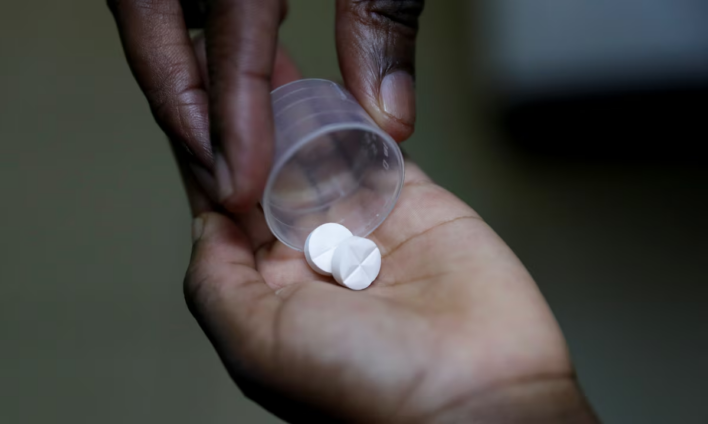
The Togolese government has established an autonomous national agency to regulate and monitor medicines and other health products as part of efforts to strengthen pharmaceutical safety, Togolese private media organisation Savior News reported.
The decree creating the agency was approved by the Council of Ministers on Monday, September 7, amid concerns about the expansion of the pharmaceutical market and the growing number of actors within the supply and distribution chain.
According to the government, Togo’s regulatory system continues to face institutional, technical and operational challenges in areas including quality control, pharmaceutical inspections, market surveillance and pharmacovigilance.
The increasing circulation of substandard and falsified medicines also poses a considerable threat to public health.
The new agency will be responsible for regulating, supervising and monitoring the pharmaceutical sector and other health products.
It is expected to strengthen product-quality checks, pharmaceutical inspections, market surveillance and mechanisms for identifying and responding to adverse effects associated with medicines.
The agency will also coordinate the activities of institutions and other stakeholders operating within the sector.
The government said the reform would improve pharmaceutical governance and health security while expanding access to safe, effective and high-quality medicines.
It is also expected to support domestic pharmaceutical production and strengthen Togo’s capacity to meet its health needs.
The World Health Organisation estimates that counterfeit medicine trafficking causes more than 100,000 deaths annually in Africa. Health experts also estimate that falsified medicines account for between 30% and 60% of pharmaceutical products available on some African markets.
In January 2020, Lomé hosted a summit on combating fake medicine trafficking, leading to commitments to establish enforcement structures, adopt stronger laws and criminalise different forms of pharmaceutical trafficking.
Togo had already amended its Penal Code in 2015, introducing penalties of up to 20 years’ imprisonment and fines of 50 million CFA francs for offenders.
Latest Stories
-
Shelton ends Alcaraz’s title reign in late-night marathon, will face Tiafoe in US Open semis
13 minutes -
Today’s front pages: Wednesday, September 9, 2026
15 minutes -
Togo establishes autonomous agency to regulate medicines and health products
31 minutes -
Zoomlion disinfects public facilities in Sefwi Wiawso over health risks
33 minutes -
BoG flags 20 mobile loan apps operating without licence
2 hours -
Aayalolo adds 48 buses to fleet as GAPTE moves to ease Accra traffic
2 hours -
Use digital platforms to build peace, not spread prejudice – Opoku-Agyemang to youth
3 hours -
Clinic says Nigerian influencer ignored doctor’s advice to split penis enlargement procedure
3 hours -
The grass is greener somewhere is an illusion – Barfuor Adjei-Barwuah tells Ghanaian youth
3 hours -
My marriage will be secret – Singer Joeboy
3 hours -
KATH hails Ghana Medical Trust Fund after GH¢4m equipment boost
3 hours -
Free Primary Healthcare reaches 135 districts
3 hours -
Tunisian journalists protest over media crackdown after colleague’s arrest
3 hours -
Equatorial Guinea police pull guns on migrants deported by Trump, witnesses say
4 hours -
Singaporean man pleads guilty in US to massive crypto heist
4 hours