

Audio By Carbonatix
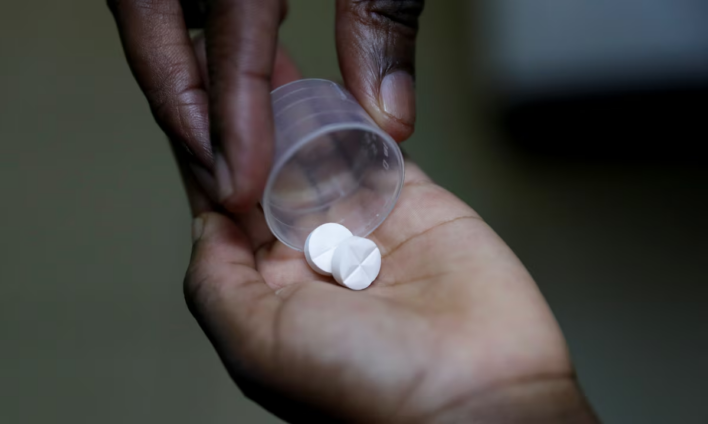
The Togolese government has established an autonomous national agency to regulate and monitor medicines and other health products as part of efforts to strengthen pharmaceutical safety, Togolese private media organisation Savior News reported.
The decree creating the agency was approved by the Council of Ministers on Monday, September 7, amid concerns about the expansion of the pharmaceutical market and the growing number of actors within the supply and distribution chain.
According to the government, Togo’s regulatory system continues to face institutional, technical and operational challenges in areas including quality control, pharmaceutical inspections, market surveillance and pharmacovigilance.
The increasing circulation of substandard and falsified medicines also poses a considerable threat to public health.
The new agency will be responsible for regulating, supervising and monitoring the pharmaceutical sector and other health products.
It is expected to strengthen product-quality checks, pharmaceutical inspections, market surveillance and mechanisms for identifying and responding to adverse effects associated with medicines.
The agency will also coordinate the activities of institutions and other stakeholders operating within the sector.
The government said the reform would improve pharmaceutical governance and health security while expanding access to safe, effective and high-quality medicines.
It is also expected to support domestic pharmaceutical production and strengthen Togo’s capacity to meet its health needs.
The World Health Organisation estimates that counterfeit medicine trafficking causes more than 100,000 deaths annually in Africa. Health experts also estimate that falsified medicines account for between 30% and 60% of pharmaceutical products available on some African markets.
In January 2020, Lomé hosted a summit on combating fake medicine trafficking, leading to commitments to establish enforcement structures, adopt stronger laws and criminalise different forms of pharmaceutical trafficking.
Togo had already amended its Penal Code in 2015, introducing penalties of up to 20 years’ imprisonment and fines of 50 million CFA francs for offenders.
Latest Stories
-
‘Our missing players are more important’ – Gambia coach fires shot at Ghana
19 minutes -
Today’s front pages: Tuesday, September 29, 2026
22 minutes -
Ghana ‘showing up differently’ on global stage – Joyce Bawah Mogtari
50 minutes -
Ghana’s tuna industry in crisis as 20 hook-and-line vessels collapse
1 hour -
South Tongu MP launches apprenticeship programme for 159 young people
2 hours -
The Pusiga connection behind Gertrude Atongi’s work in New York
2 hours -
Teachers took promotion exams in December to beat government clearance deadline – GNAT
2 hours -
NPA launches 2026 staff welfare week with focus on teamwork and employee wellbeing
2 hours -
Ghana, Saint Kitts and Nevis sign labour deal to strengthen protections for Ghanaian nurses
2 hours -
Delayed promotions put teachers’ retirement benefits at risk – GNAT
2 hours -
No ‘Bawumia candidates’ in NPP executive elections – Anthony Karbo
2 hours -
Over 3,000 displaced as flooding overwhelms Hohoe communities
2 hours -
Sunyani East NPP executives begin reconciliation drive ahead of 2028 polls
3 hours -
Agric Minister engages Ga Mantse on agriculture transformation agenda
3 hours -
Aayalolo expansion targets private car users, not trotro operators – Mahama Ayariga
3 hours