

Audio By Carbonatix
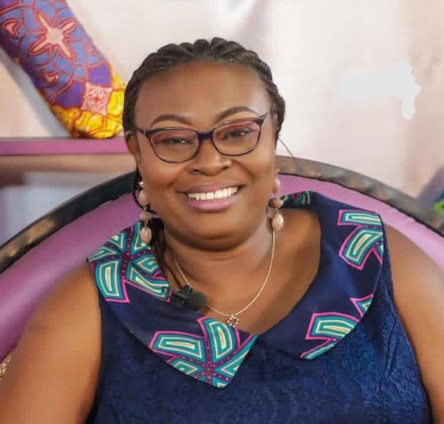
The Founder of the Ark Foundation, Dr Angela Dwamena-Aboagye, has called for a systematic approach to funding child protection in Ghana, stressing that resources must be deliberately tracked and directed to areas where children face the greatest risks.
Speaking on the Joy FM Super Morning Show on Monday, September 14, Dr Dwamena-Aboagye said the absence of reliable data makes it difficult for authorities to determine how much funding is required for child protection and, more importantly, how such resources should be prioritised.
“Sometimes when you don’t have the numbers and the data, it is very difficult to say five per cent of this or 10 per cent of that,” she said.
She cautioned that even where a specific percentage of funds is allocated to child protection, the money could be ineffective if there is no deliberate system for determining priorities and monitoring how the resources are used.
According to her, Ghana needs a child protection financing framework that follows resources from the national level through the various systems to district assemblies, while ensuring that funding reflects the specific needs of children in different districts.
She suggested that funding could be tracked from the Ministry of Finance through the relevant government structures and ultimately to the District Assemblies Common Fund, allowing authorities to identify where the greatest needs exist and allocate resources accordingly.
Dr Dwamena-Aboagye also stressed the importance of a bottom-up approach, arguing that decisions on child protection should not be driven solely from the national level.
Her comments come against the backdrop of growing concerns about gaps in Ghana’s child protection system, highlighted in the latest JoyNews–SOS Children’s Villages Ghana documentary, Hands That Hurt, Hands That Heal.
The documentary tells the stories of children who have experienced abuse, exploitation and circumstances that have disrupted their lives and education.
One of the cases featured is that of 15-year-old Joel, who returned home after 6pm and was allegedly punished by his father by being tied to a quad bike and dragged along a tarred road.
Another case involves Happiness, who was promised an opportunity to establish a clothing business but allegedly ended up being forced into prostitution after finding herself on the streets of Accra.
The documentary also highlights the case of 14-year-old Benedicta, who was allegedly defiled by a neighbour, became pregnant and subsequently dropped out of school, bringing her educational ambitions to an abrupt end.
The cases expose vulnerabilities in the systems intended to protect children and demonstrate how abuse, exploitation and inadequate intervention can have lasting consequences for their education, wellbeing and future prospects.
For Dr Dwamena-Aboagye, addressing such cases requires more than broad commitments or arbitrary funding allocations.
She argued that Ghana must develop a coordinated child protection system capable of identifying needs, directing resources towards them and ensuring that children do not fall through gaps between institutions.
The documentary therefore places renewed focus on the need for stronger investment, better coordination and effective accountability in Ghana’s child protection architecture.
Hands That Hurt, Hands That Heal airs on the Joy FM Super Morning Show and the JoyNews' AM Show at 8:30 am, bringing the experiences of affected children and the wider challenges confronting Ghana’s child protection system into the national conversation.
Latest Stories
-
‘Who approved Laboma structures?’ Victoria Bright calls for review of permitting system
20 seconds -
“The Darkest Chapter”: Latif Abubakar’s 21st production brings President Mahama’s UN reckoning to the National Theatre stage
4 minutes -
Teacher, three others investigated over alleged kidnapping of suspected MoMo fraudster in Kumasi
5 minutes -
Afenyo-Markin mourns Bernice Offei, describes her songs as ‘sermons set to music’
5 minutes -
Don’t just learn AI tools, use them to improve productivity – ALX Enterprise
12 minutes -
Free rabies vaccination campaign targets 25,000 dogs and cats nationwide
18 minutes -
Ghana needs a system to track child protection funding to where risks are highest – ARK Foundation
21 minutes -
AI may not replace humans, but workers who fail to adapt could lose jobs – ALX Enterprise
23 minutes -
Gideon Boako: Bretton Woods is fraying; Ghana has built a bridge
24 minutes -
Ghana’s child protection system failing children despite laws and policies – ARK Foundation
25 minutes -
‘Future of Black Queens is safe for many years’ – Black Princesses boss Charles Sampson
28 minutes -
Titus Glover questions Laboma Beach demolition, proposes widening Kpeshie Lagoon outlet
28 minutes -
NACOC arrests 3 suspects linked to Dutch fugitive drug kingpin
50 minutes -
Workers must complement AI skills with professional expertise to remain relevant – ALX Enterprise
1 hour -
Companies that delay AI adoption risk losing market opportunities – ALX Enterprise
1 hour