

Audio By Carbonatix
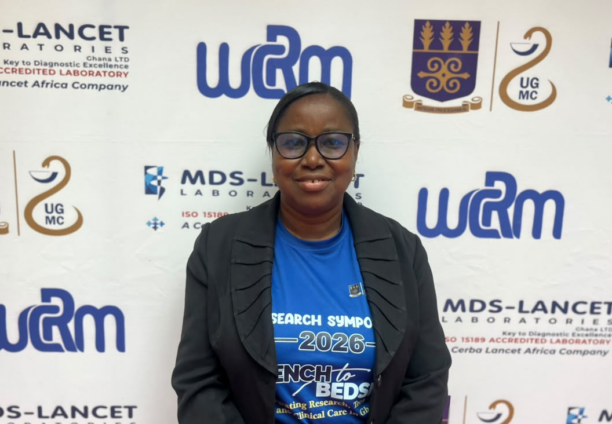
Associate Professor at the Noguchi Memorial Institute for Medical Research (NMIMR), Evelyn Yayra Bonney, has called for sustained investment in health research and human capacity development to enable Ghana to translate scientific discoveries into practical healthcare solutions.
According to her, increased government funding for research and training is critical to building the capacity needed to address Ghana’s healthcare challenges while retaining skilled researchers in the country.
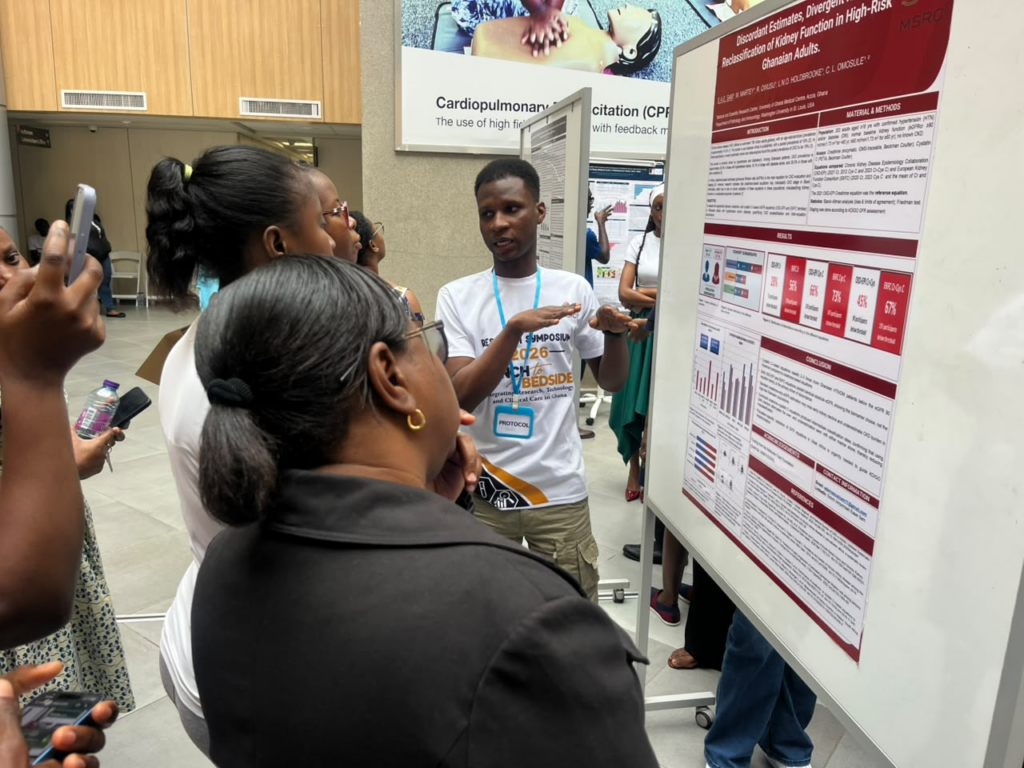
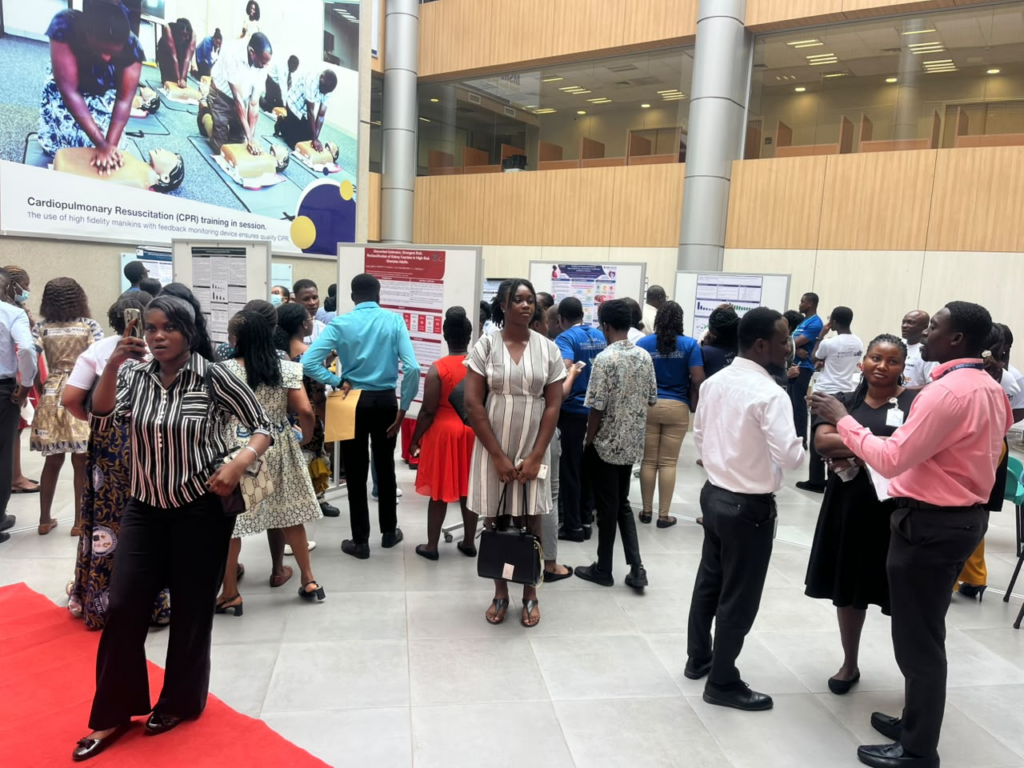
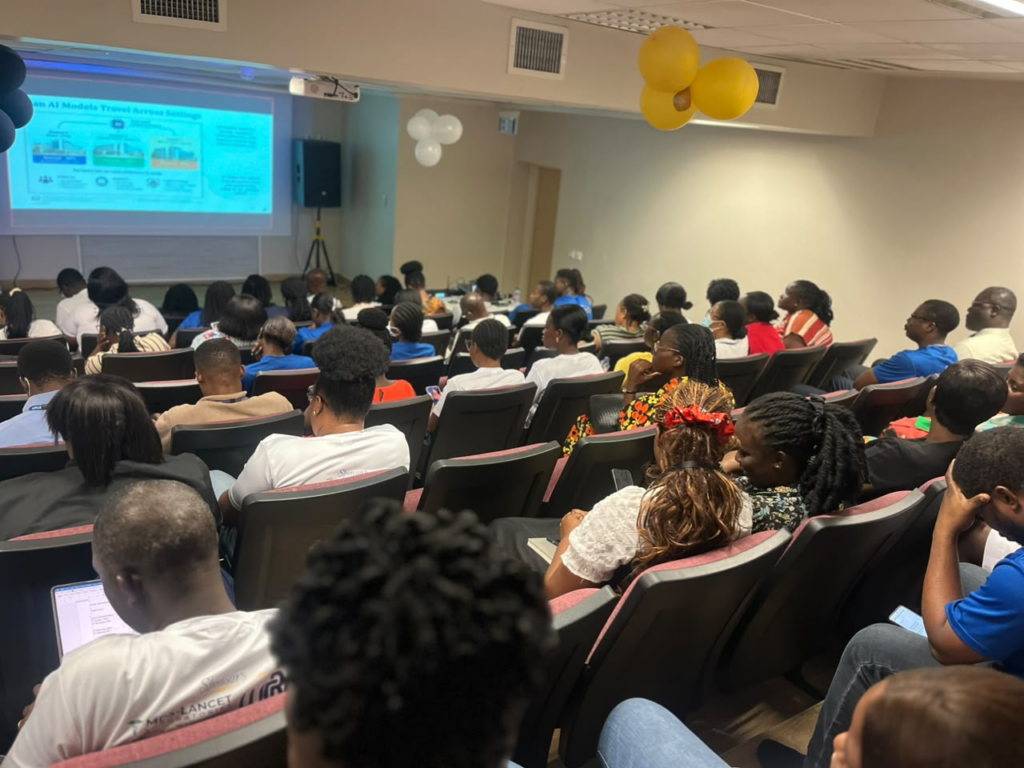
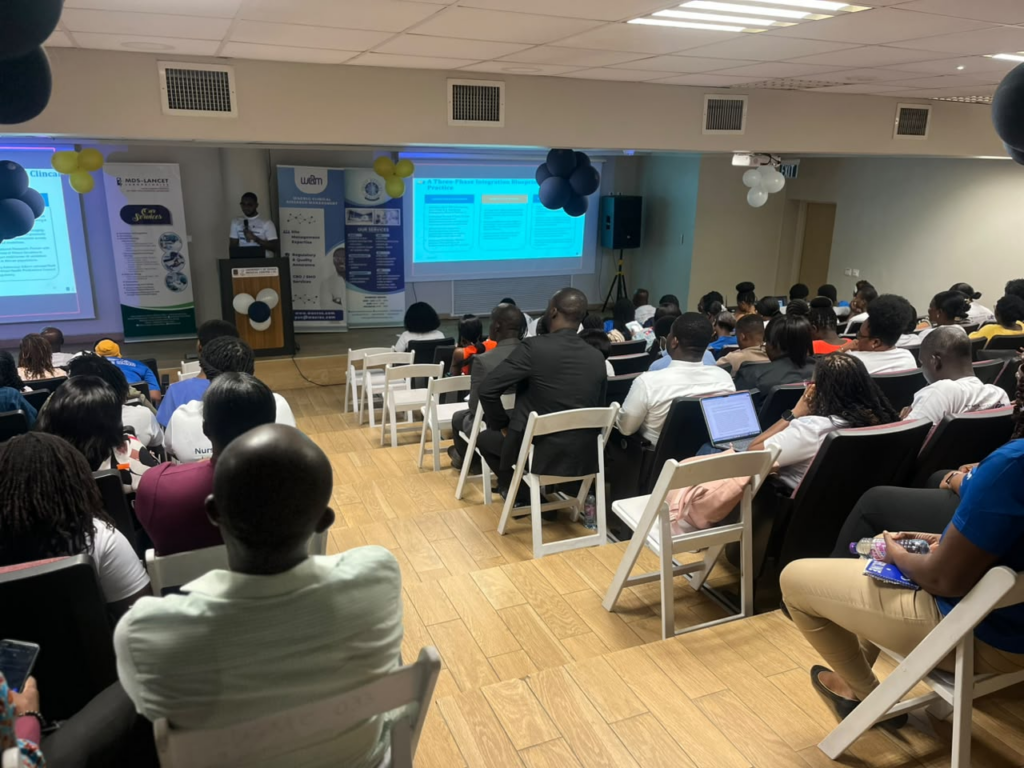
Prof Bonnie made the remarks on the sidelines of the UGMC Research Symposium on Tuesday, September 29, held under the theme “From Bench to Bedside: Integrating Research, Technology, and Clinical Care in Ghana.”
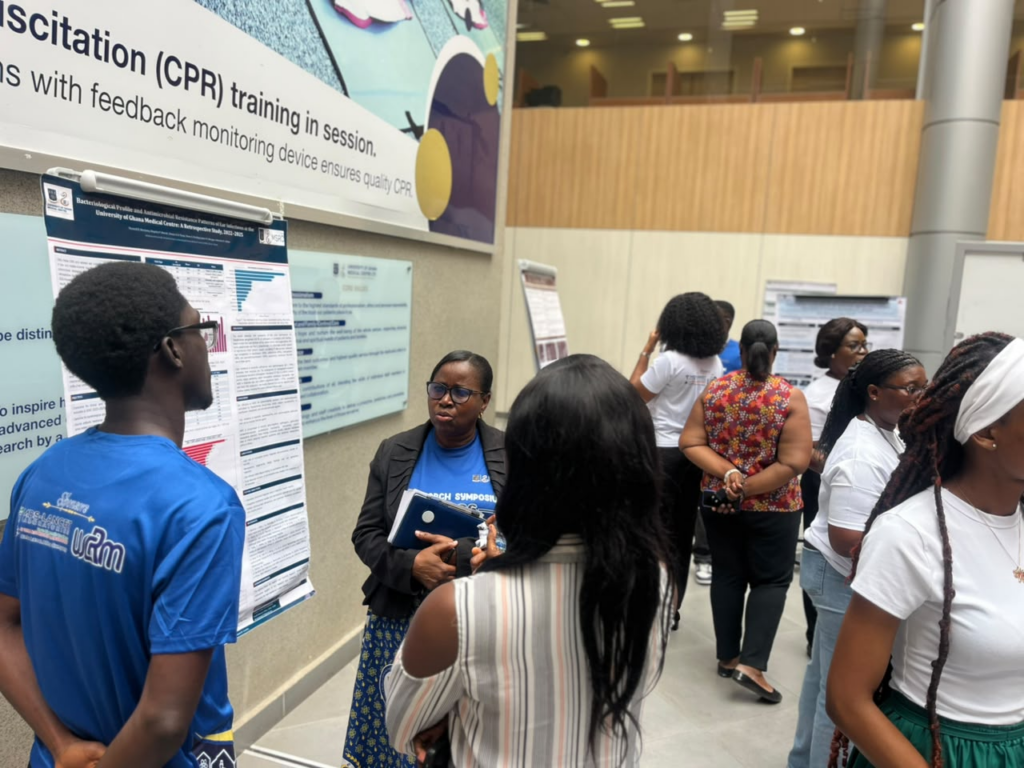
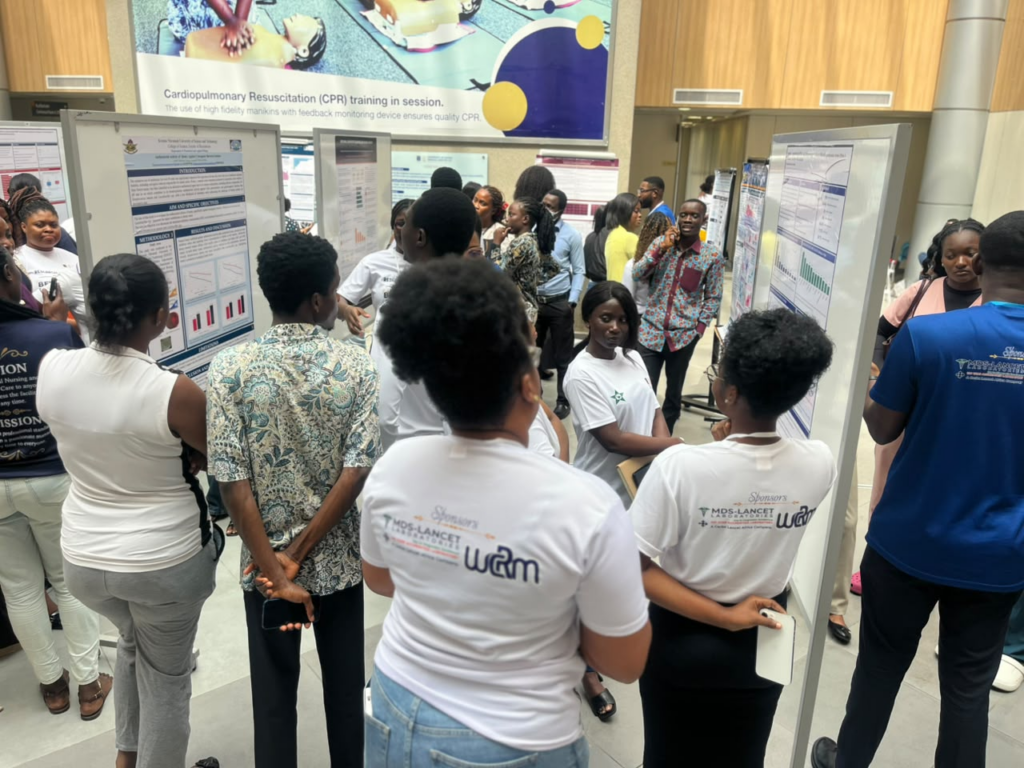
The symposium, organised by the Medical Scientific Research Centre (MSRC) through the Research Training and Development Unit and the Office of External Engagement, seeks to showcase research activities being undertaken at the University of Ghana Medical Centre (UGMC) and strengthen the link between scientific research and clinical practice.
Prof Bonney said the symposium provided an important platform for researchers to share ongoing work with the public, particularly because UGMC’s research Centre is quite young.
She described the location of the research centre within a hospital as one of UGMC’s key advantages, saying it allowed researchers to work closely with patients while investigating health challenges identified in clinical settings.
“The most striking thing is that it's one of the research institutions that is situated within a hospital,” she said.
Unlike research institutions that may have to travel to hospitals to interact with patients, she explained, researchers at UGMC have direct access to the clinical environment, enabling them to identify problems, investigate them in the laboratory and develop solutions that can subsequently be applied to patient care.
She said this was the essence of the symposium’s “bench to bedside” theme.
“You see something in the hospital, on the ward, you are able to take it to the lab to investigate, and the solutions you have, you bring them back to the patients to help improve healthcare,” she said.
Prof Bonney also stressed the need for research conducted at UGMC to extend beyond academic findings and eventually produce practical interventions and products that could benefit other health facilities.
She said innovations developed through the research programme should not remain confined to UGMC but could be scaled up to other hospitals and healthcare facilities once they had undergone the necessary regulatory processes.
“It’s not restricted to UGMC. I mean, it’s starting here, so yes, they will be the first beneficiaries, but it definitely would be,” she said.
She added that one of the objectives should be to move beyond laboratory discoveries and develop products that could be used elsewhere.
Such products, she noted, would have to receive approval from the Food and Drugs Authority (FDA) and other relevant regulatory bodies before being deployed more widely.
Prof Bonney said government funding remained essential to sustaining research activities, particularly in training and developing the human resources required to undertake high-quality scientific work.
“This kind of work takes a lot of money,” she said, urging the government to “intentionally put some money into training” and building the human capacity needed for research.
She warned that inadequate funding could contribute to the loss of skilled professionals, particularly when researchers who acquire specialised expertise seek better opportunities abroad.
“If we don’t have the money and the people have the skills and they are looking for it elsewhere, when they go out, most of them don’t come back,” she said.
She argued that investing in research and training locally would help retain skilled professionals and equip them to develop solutions to problems confronting Ghana.
“But if we are able to put the money here and train them here, then we are sure that we will have them here to solve the problems that we have in the country,” she added.
Prof Bonney also encouraged participants at the symposium to approach research with an inquisitive mindset and use existing studies as a basis for identifying new areas of investigation.
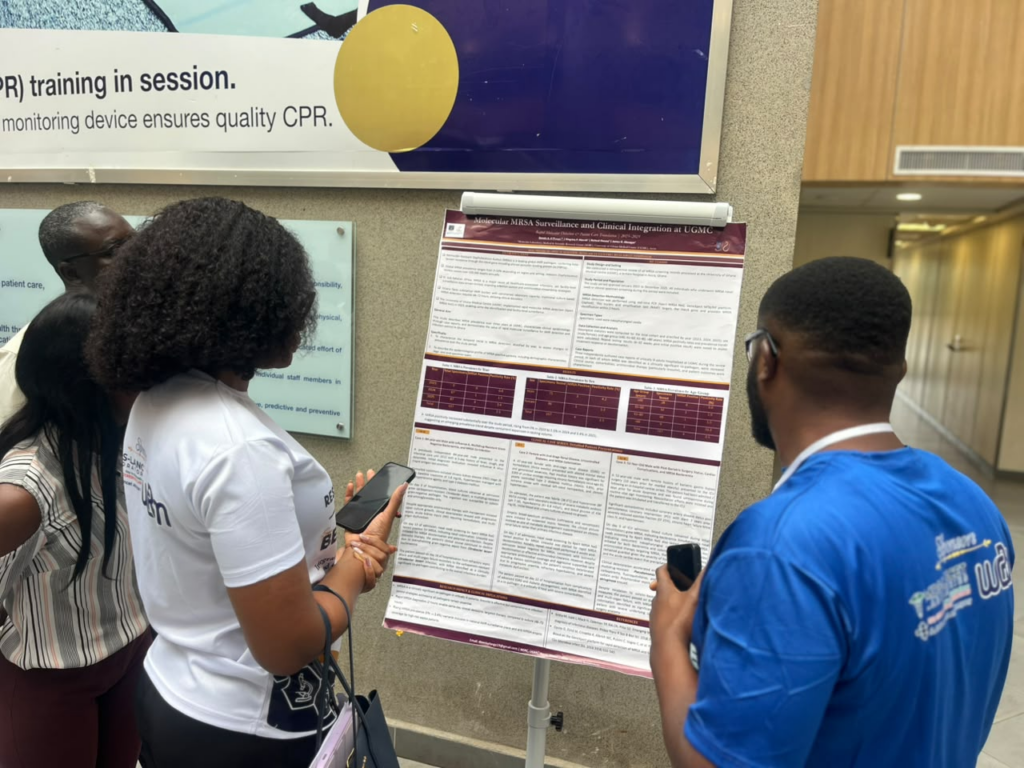
She said researchers should pay attention to gaps in presentations and ongoing studies, as these could provide ideas for further research.
“Out of what people are doing, you also see a question or a gap. Or maybe this person should have done this other thing. That becomes your research idea,” she said.
She urged participants and the wider research community to focus on producing evidence that could ultimately provide solutions to healthcare challenges.
“Research is supposed to provide solutions for healthcare,” she said, urging researchers to identify problems to which they could contribute meaningful solutions.
Latest Stories
-
Bagbin adjourns Parliament indefinitely
12 minutes -
African Most Beautiful USA Queen to host Community Zumba Dance session in Accra
12 minutes -
Cocaine probe: Speaker got it wrong by blocking parliamentary inquiry – Minority Leader
25 minutes -
FoSCel foundation calls for end to stigma and stereotyping against people living with sickle cell disease
36 minutes -
Auditor-General to track audit recommendations as GH¢280.5m in surcharges remains unpaid
37 minutes -
Walewale MP withdraws ‘rude’ comment on Bagbin’s Parliament recall, apologises
54 minutes -
FoSCel founder urges curriculum reform to strengthen sickle cell education in Ghana
1 hour -
United States launches America.Gov for public services 5 years after Dr. Bawumia launched Ghana’s version Ghana.Gov
1 hour -
Cocaine probe: Majority used super majority with Speaker’s support to weaken Parliament – Afenyo-Markin
1 hour -
UGMC Research Director calls for deliberate pathway from research to patient care
1 hour -
IEAG calls on FDA to resolve delays in import code issuance
1 hour -
UGMC research must translate laboratory findings into healthcare solutions – Prof Evelyn Yayra Bonney
2 hours -
Court remands 3 over alleged gold concentrate robbery
2 hours -
Two bodies stuck at St. Anne’s mortuary after refrigeration engines break down
2 hours -
‘We will not let this matter rest’ – Afenyo-Markin after Bagbin rejects narcotics probe
2 hours