

Audio By Carbonatix
Local innovators in science and technology are being urged to embrace sustainability and climate-adaptive knowledge embedded in African indigenous practices.
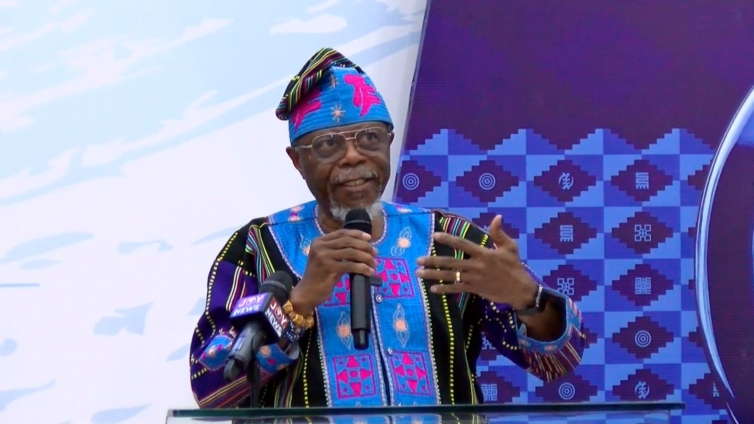
Renowned scholar of African history and African studies at the University of Texas, Professor Toyin Faola, is encouraging Africans to preserve their ancestral legacies while embracing Western science and technology.
Warning against discarding traditional knowledge, he says studying these time-honored methods can spark innovative solutions for modern challenges.
Approaches to problem-solving and development have always been conflicted by Western and African knowledge systems.
With Western knowledge often dominating discourse around scientific and technological advancements, indigenous African knowledge and practices stand to be devalued.
This has made African communities struggle to address context-specific problems and developments.
This has prompted discussion among African history scholars, who are pursuing African traditional knowledge in addressing contemporary challenges.
Africans are being admonished to bridge past wisdom with modern development by promoting and adopting traditional knowledge.
Renowned scholar of African history and African studies at the University of Texas, Professor Toyin Faola, calls for a renewed focus on ancestral and traditional wisdom to inspire sustainable and innovative African generations.
“Do not throw away the legacies of the past even when you don’t understand them. While accepting western ideas, science and technology, it doesn't mean you reject yours. In areas of agriculture, health, science and the environment, African knowledge has promoted sustainability. The generation of students must know about them, and by knowing, they will create innovations. The West or foreign nations cannot appropriate everything,” he said.

Professor Toyin was delivering a public lecture on the theme: “Ancestral Science and Technology for Modern Development”.
The Faculty of Social Sciences at the Kwame Nkrumah University of Science and Technology, through the public lectures committee, put together the lecture to promote cultural pride and counter the marginalization of African contributions in global discourse.
Professor Toyin Faola empathised the richness of African ideas rooted and guiding all facets of life.
"Africans have ideas about every aspect of life. And we cannot throw them away whether we like it or not. We have a lot to learn from the village people. From traditional architecture that adapted seamlessly to the local climate to sophisticated agricultural practices, herbal medicine and water management systems. Ancestral knowledge was rooted in sustainability, community and harmony with nature," he said.
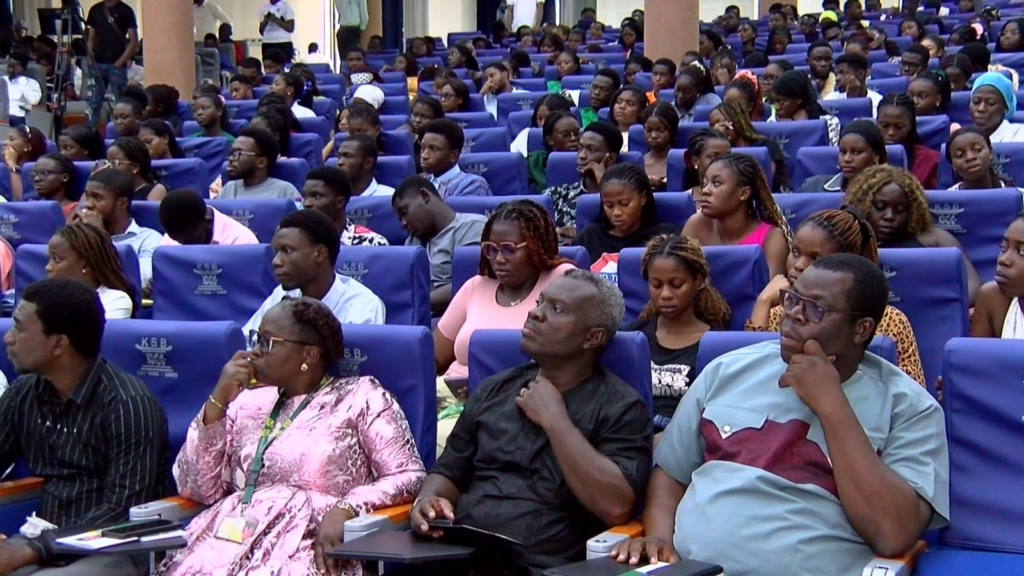
The lecture assembled students, leaders and scholars of academia to foster a deeper understanding of ancestral practices, and their bearing in the current practice of science and technology.
The Pro-Vice Chancellor of Kwame Nkrumah University of Science and Technology, Prof. David Asamoah, lauded the efforts towards highlighting African knowledge to help tackle complex African problems.
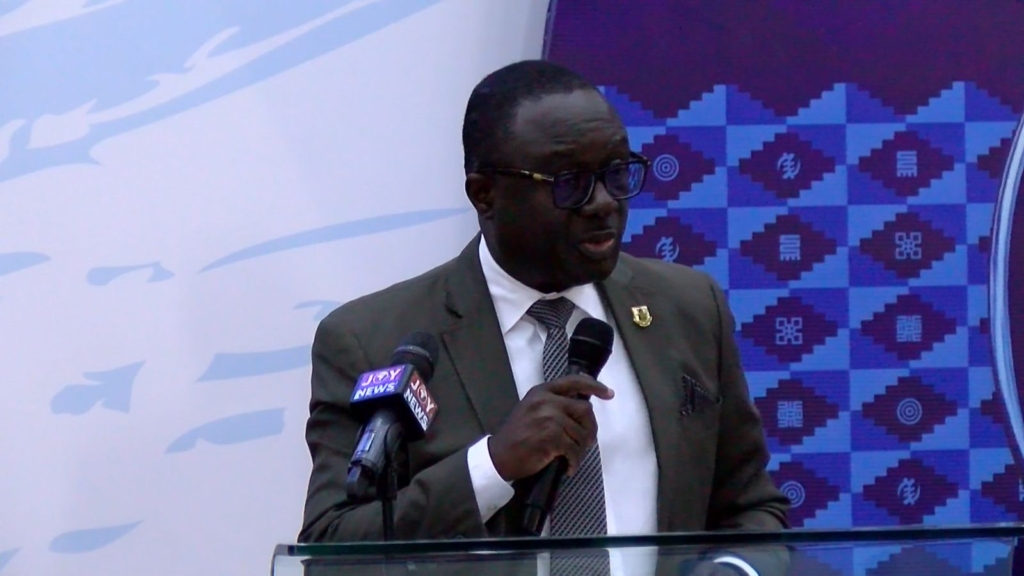
“This theme is not only intellectually stimulating but also deeply relevant. For too long, our understanding of science and technology has exclusively been seen through Western lenses. Yet long before the digital age, our ancestors were already harnessing the forces of nature, innovating within their environment and solving complex problems through the indigenous knowledge system,” he said.
Professor of Human Geography, Kabila Abass, says the lecture will stimulate re-examination of knowledge sources to clear colonial narratives.

“They were systems of knowledge. We need to reflect on the ancestral wisdom. We can learn from the past that can meaningfully inform our future. It compels us to re-examine the often overlooked reservoirs of indigenous knowledge. Knowledge that predates colonial narratives, and embodies ecological wisdom, architectural brilliance, is indisputably relevant to address global challenges today,” he said.
Latest Stories
-
Credit Risk Management Directive: BoG to begin implementation for banks, others from July 1, 2027
11 minutes -
Ghana Brands Awards 2026: Leading brands, business trailblazers to shine on November 20
27 minutes -
T-bills auction: Demand improves as government exceeds target by about 76%; interest rates soften
33 minutes -
Ziope undertakes initiative to build a technologically inclined community, commissions self-help ICT lab
58 minutes -
ECG announces power outage in parts of Tema, Central Region due to network fault, maintenance
1 hour -
When the Gospel Becomes a Weapon: The church, blackmail and the abuse of faith
2 hours -
JoyNews’ Jacqueline Ansomah Yeboah selected for UK Media Excellence for Emerging Technology Fellowship
2 hours -
Mental Health Alliance urges government to operationalise Mental Health Fund
2 hours -
Ghana–Holy See agreement heads to Parliament after Cabinet approval
2 hours -
Luv FM Corporate Games 2026: Kumasi Central Prisons, Amanfiman Bank win big amid fun
3 hours -
WAFU B U17: Ghana top Group A after win over Togo
3 hours -
Ho Central Mosque reopens amid unresolved leadership dispute that led to closure
4 hours -
Minority caucus questions GH¢16.4m in Ablakwa’s SA evacuation spending, demands independent audit
5 hours -
Gender Ministry meets Nana Akua Addo’s husband over domestic violence after hospital discharge
5 hours -
UG Vice-Chancellor urges swift operationalisation of National Research Fund
6 hours