

Audio By Carbonatix
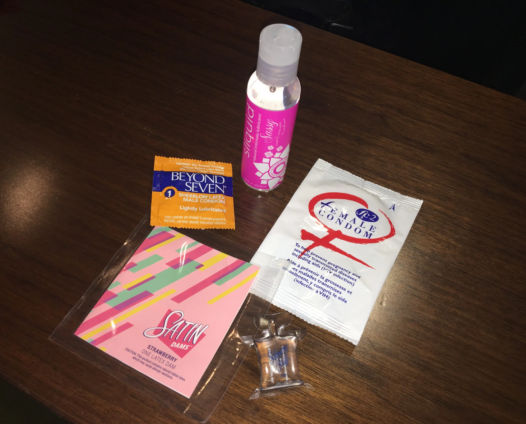
The Ghana AIDS Commission has defended its distribution of condoms and lubricants, insisting the intervention forms part of national HIV prevention efforts and is not targeted at promoting any specific group.
The clarification follows claims by the Member of Parliament for Ningo Prampram and co-sponsor of the anti-LGBTQI bill, Samuel Nartey George, who questioned the purpose of distributing condoms and lubricants, linking it to concerns about activities covered under the proposed legislation.
Speaking during a stakeholder engagement on the bill, Mr George questioned the rationale behind the distribution, suggesting a link to practices the bill seeks to prohibit.
However, the Commission rejected the claims, stressing that the items are made available to the general public as part of broader public health interventions.
Acting Director of Policy and Planning at the Commission, John Eliasu Mahama, clarified that distribution is not restricted to any group.
“We do, but we share them generally. Condoms and lubricants are shared generally. They are procured by the Ministry of Health for HIV prevention interventions,” he said.
He explained that supply is guided by data and public health needs rather than any particular agenda.
“When it comes to the HIV response, most of the donor funding goes for commodities… ARVs, condoms and test kits,” he said, referring to antiretroviral medicines used in HIV treatment.
Mr Mahama added that condoms and lubricants are widely used in heterosexual relationships and among vulnerable groups as part of proven prevention strategies.
“The condoms and lubricants are also used for heterosexual sex. Among the sex worker population, for example, it is one of the proven interventions that has helped Ghana reduce HIV prevalence from 17 per cent 10 years ago to 4.7 per cent,” he said.
Supporting the Commission’s position, Director and Advisor on Human Rights in Parliament, Dr Isaac Annan, said the distribution of such items does not amount to promoting LGBTQ+ activity.
He cited support from international partners, including the Global Fund, to underscore that public health interventions are based on need rather than ideology.
“If the Global Fund is giving Ghana money… it supports malaria, TB and even key populations. But for public health, it is not promoting,” he said.
Dr Annan added that external funding does not undermine Ghana’s sovereignty or dictate national values.
“It is not that we have agreed that any institution or country can suppress our sovereignty,” he said.
Latest Stories
-
Hotline Documentary: ‘Silent Football’ to air on JoyPrime and JoyNews today
14 minutes -
NDPC examines how evidence shapes Ghana’s development planning and policy decisions
14 minutes -
Education Ministry calls urgent talks to break GAUA strike deadlock
16 minutes -
NCCE engages women in North East Gonja on rule of law, anti-corruption
25 minutes -
NDPC reviews 2004 planning guidelines to reflect changes in decentralised system
31 minutes -
Trade Ministry commends Prisons Service for using art to drive inmate rehabilitation
37 minutes -
Books, brushes and second chances: Dr Abena Asomaning launches three titles to support prison outreach
44 minutes -
Treasury bill auction oversubscribed by 53.5% as yields fall across maturities
46 minutes -
NPP warns aspirants premature campaigning could jeopardise eligibility for primaries
52 minutes -
Ghana courts investors in Bangkok after exit from $3bn IMF bailout
57 minutes -
8 arrested over alleged internet fraud initiation assault in Bono Region
1 hour -
SSNIT says Labadi Beach Redevelopment will create local economic opportunities
1 hour -
BoG proposes 30-day liquidity buffer requirement for banks
1 hour -
BoG plans reviews of banks’ cybersecurity compliance
1 hour -
GRA cautions taxpayers against attacking tax officials
1 hour