

Audio By Carbonatix
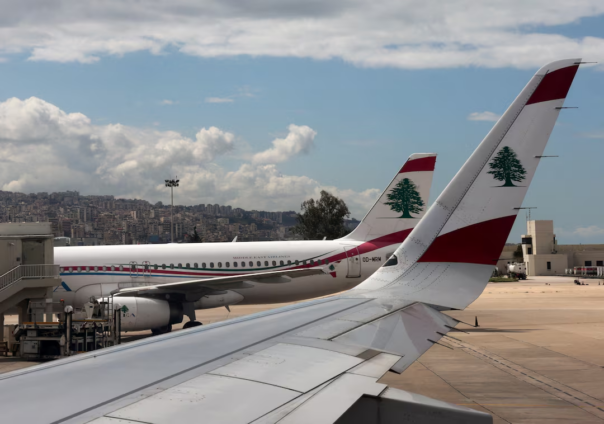
Airline pilots who have safety concerns about flying in the Middle East during the Iran war have told a global aviators' union group they fear blowback ranging from lost pay to being fired if they refuse assignments, its president, Ron Hay, said.
Pilots from Lebanon to India have voiced "widespread" concerns they could face sanctions if they do not fly in often unpredictable conditions where airspace can close with little notice due to missile or drone strikes, according to the head of the International Federation of Airline Pilots' Associations.
"There is an underlying fear of retribution," Hay told Reuters in his first interview on the matter.
His comments come as some Middle Eastern carriers continue to restore flights, even as a two-week ceasefire announced on Tuesday faces challenges from ongoing attacks.
Hay, a Delta Air Lines captain, said some of the pilots worried about being fired. For others, "they may not lose their job, but they (managers) may say, 'Don't fly the trip and you don't get paid for it.'"
He declined to name the airlines involved but said these were examples of how not to foster a positive safety culture in which pilots were encouraged to speak up.
“That’s been lacking in the Middle East region for quite some time and it’s just been exacerbated by this conflict,” Hay said.
Montreal-based IFALPA has member associations in Bahrain, Egypt, Israel, Kuwait and Lebanon, according to its website. It does not list member associations at major Gulf carriers in the United Arab Emirates and Qatar, which are not unionised.
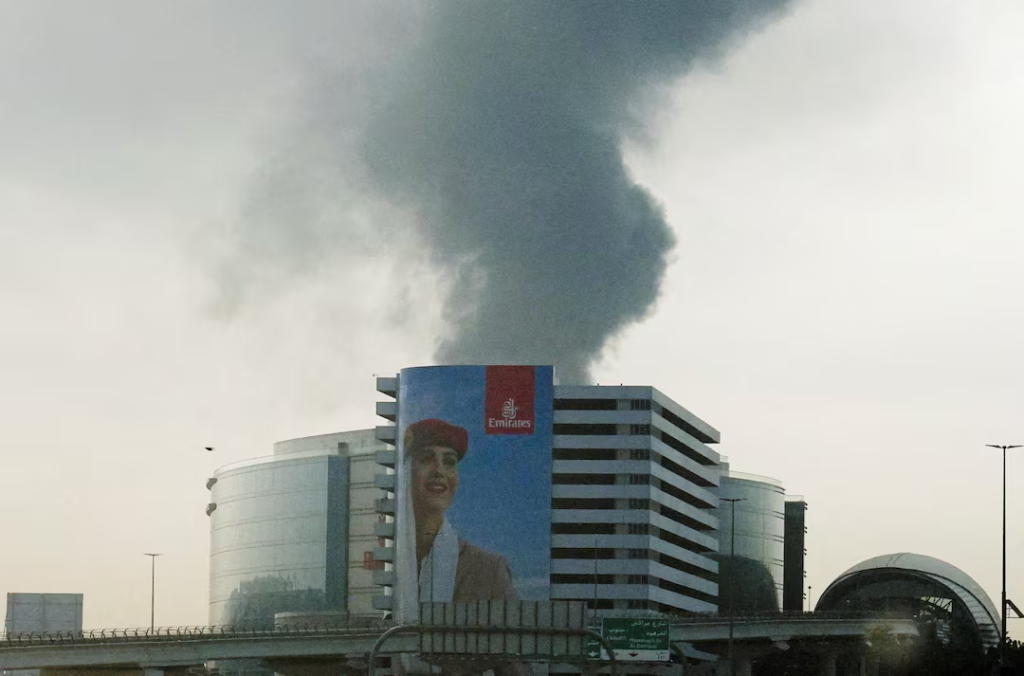
Middle Eastern carriers have said they prioritise safety. Flights to and from the UAE and Qatar are operating through dedicated corridors set with regulators.
Reuters attempted to contact more than a dozen pilots based in the Gulf to discuss whether they were comfortable flying in the current environment, but all declined to speak, even on condition of anonymity, or did not respond to queries.
MIDDLE EAST CONCERNS
After the ceasefire was announced, the European Union Aviation Safety Agency extended its ban on European airlines operating in the airspace of several Gulf countries, including the UAE and Qatar, until April 24. But carriers based in Dubai and Doha are continuing to fly there, as are Indian airlines.
Concerns from aviators operating in the Middle East led IFALPA to publish a paper this week reminding airlines that pilots must be given a "non-negotiable" say on safety, Hay said.
"There is a deep concern within the region, which is part of the reason the paper was generated."
A bulletin issued by the U.N.'s aviation agency on Thursday called mental health risks in conflict zones "safety critical."
"Personnel engaged in civil aviation operations within or near conflict zones can experience higher levels of stress, anxiety and fatigue - both on the ground and in the air," the bulletin said.
Hay said pilots who are flying into the region have lamented a lack of guidance on risks, making it harder to plan if an airport is suddenly shut due to a drone attack.
In late March, Indian member pilots of IFALPA called Air India's continued operation of flights to the impacted Gulf region a "grave concern." The pilot group urged the country's civil aviation regulator in a letter to suspend operations until a centralized "risk assessment is conducted."
Air India has engaged risk consultants who monitor whether it is safe to fly on a daily basis, a source familiar with the matter said. India's aviation regulator did not respond immediately to a request for comment.
Pilots have also been affected in other ways. Hay said he received a recent query from members in Beirut whose challenges did not end upon landing.
“The roads between the airport and their house had been completely bombed," he said. "They didn’t even know how they could get home.”
Latest Stories
-
Be careful with cross-border lending, foreign currency exposures – BoG to financial institutions
1 hour -
GPL 2026/27: Medeama go three clear as Hearts of Oak recover and Bechem stage stunning comeback
1 hour -
Ntiamoah Foundation launches “BEYOND 20” anniversary campaign
2 hours -
Credit Risk Management Directive: BoG to begin implementation for banks, others from July 1, 2027
2 hours -
Ghana Brands Awards 2026: Leading brands, business trailblazers to shine on November 20
2 hours -
T-bills auction: Demand improves as government exceeds target by about 76%; interest rates soften
2 hours -
Ziope undertakes initiative to build a technologically inclined community, commissions self-help ICT lab
3 hours -
ECG announces power outage in parts of Tema, Central Region due to network fault, maintenance
3 hours -
When the Gospel Becomes a Weapon: The church, blackmail and the abuse of faith
4 hours -
JoyNews’ Jacqueline Ansomah Yeboah selected for UK Media Excellence for Emerging Technologies Fellowship
4 hours -
Mental Health Alliance urges government to operationalise Mental Health Fund
4 hours -
Ghana–Holy See agreement heads to Parliament after Cabinet approval
4 hours -
Luv FM Corporate Games 2026: Kumasi Central Prisons, Amanfiman Bank win big amid fun
4 hours -
WAFU B U17: Ghana top Group A after win over Togo
5 hours -
Ho Central Mosque reopens amid unresolved leadership dispute that led to closure
6 hours