

Audio By Carbonatix
The Ghana Anesthesiologists Society is highlighting pain as the most common representation of illnesses reported in health facilities across the country.
Yet, cultural and societal misconceptions, lack of expertise and structural setbacks are affecting proper management of pain, leading to death.
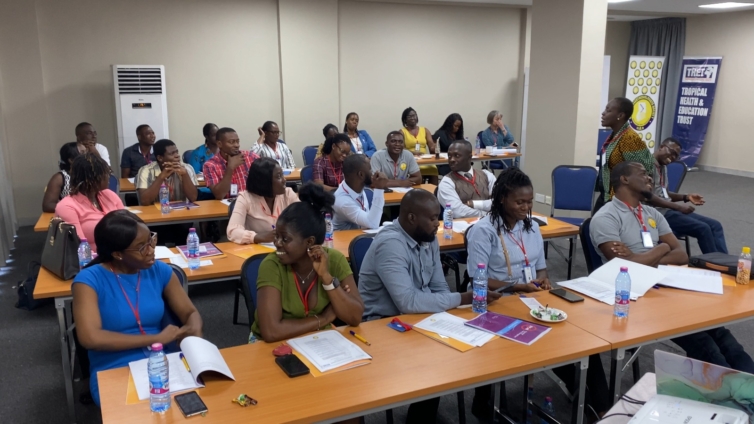
Medical professionals across the country are accessing the systematic ways of managing pain under an Essential Pain Management (EPM) course in Kumasi.
Pain has many causes including cancer, injury, infection, surgery, and people experience it in many different ways.
Despite the commonality, pain is often a 'hidden' problem and is poorly treated in hospitals.
The treatment of pain is often hindered by numerous barriers including people's attitudes, lack of health workers, inadequately skilled health officers and lack of medicines.
The Ghana Anaesthesiologists Association and the World Federation of Anaesthesiologists have instituted “Essential Pain Management (EPM)” workshop aimed at improving pain recognition, assessment and treatment.
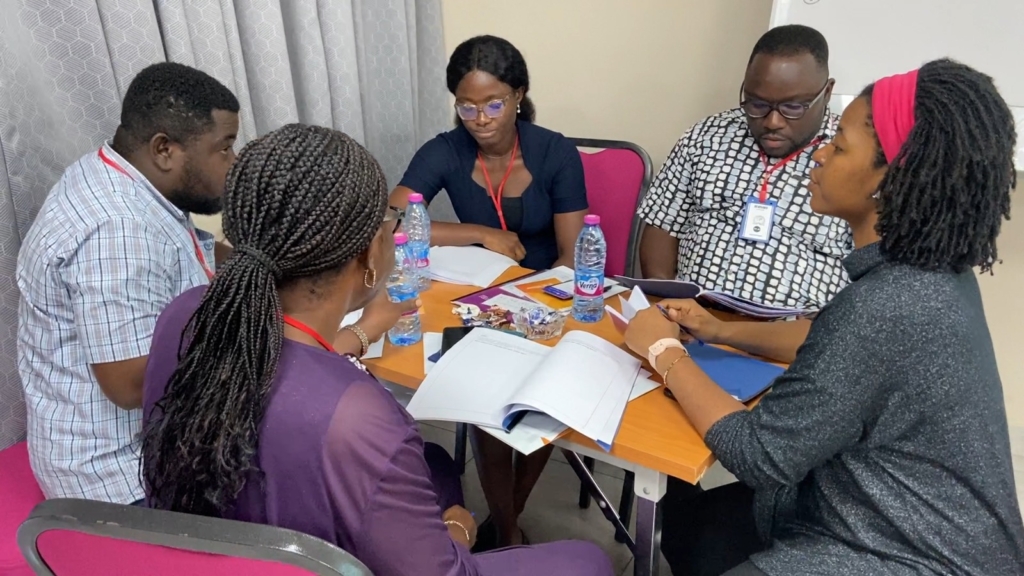
The trainer of trainers’ workshop highlighted why pain should be treated, assessment of severity, classification of pain, pain physiology and pathology, pain treatment, and pain medications.
General Secretary of the Ghana Anaesthesiologists Society, Dr Moses Siaw-Frimpong says the workshop is to equip practitioners to identify pain management barriers and highlight efforts to overcome these barriers.
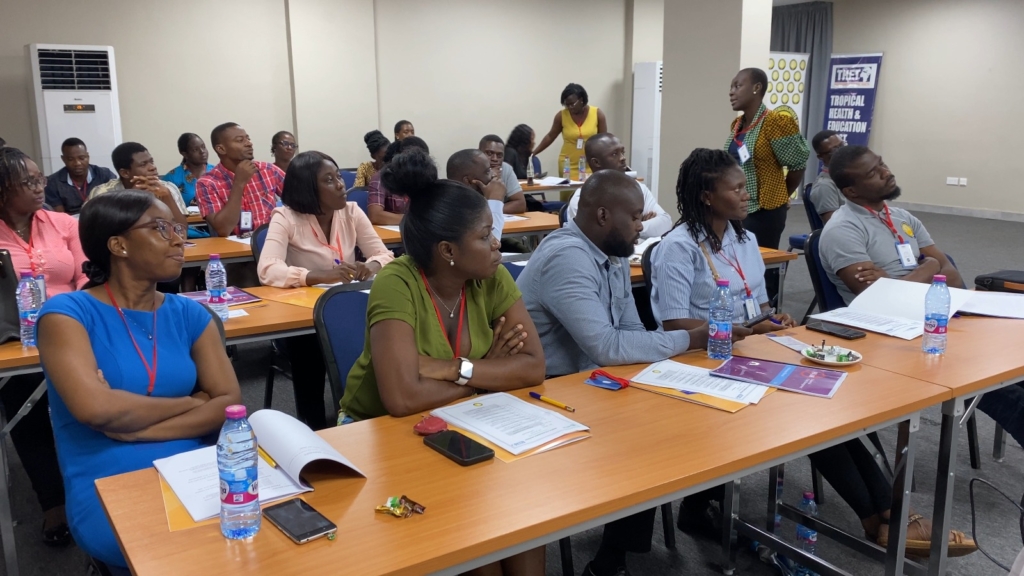
“The course equips clinicians, anesthetists, doctors, pediatricians and surgeons with the systematic ways of managing pain. Pain can be improved with very simple treatments. And this workshop will tool our practitioners and this will make treatment and management easier,” he said.
Untreated pain causes inflammatory changes in the body which may have harmful physical and psychological effects.
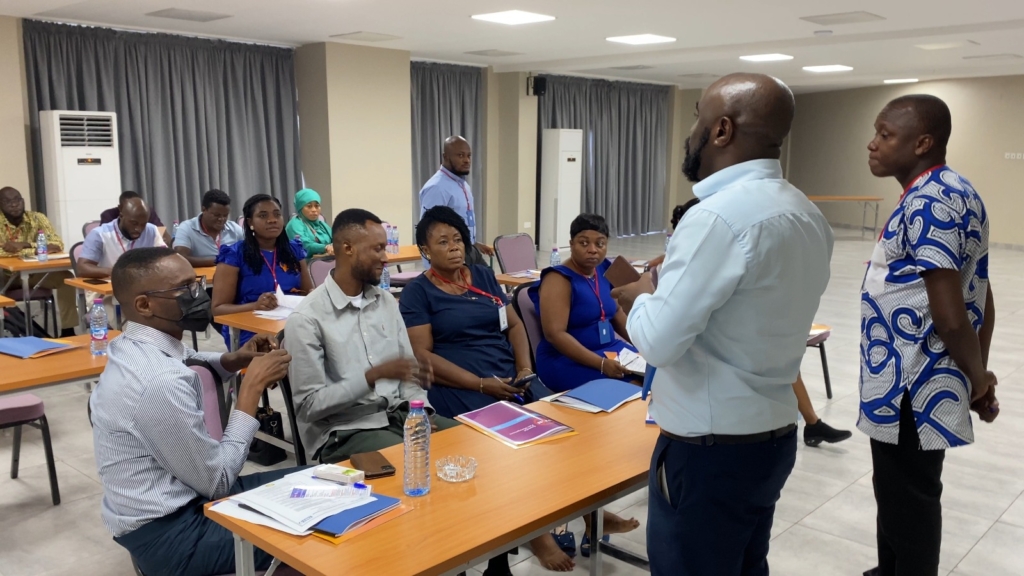
A total of 21 trainers have been equipped to train an additional 100 participants.
The trainer of trainers Essential Pain Management course has been developed with the support of the Faculty of Pain Medicine, Australian and New Zealand College of Anesthetists.
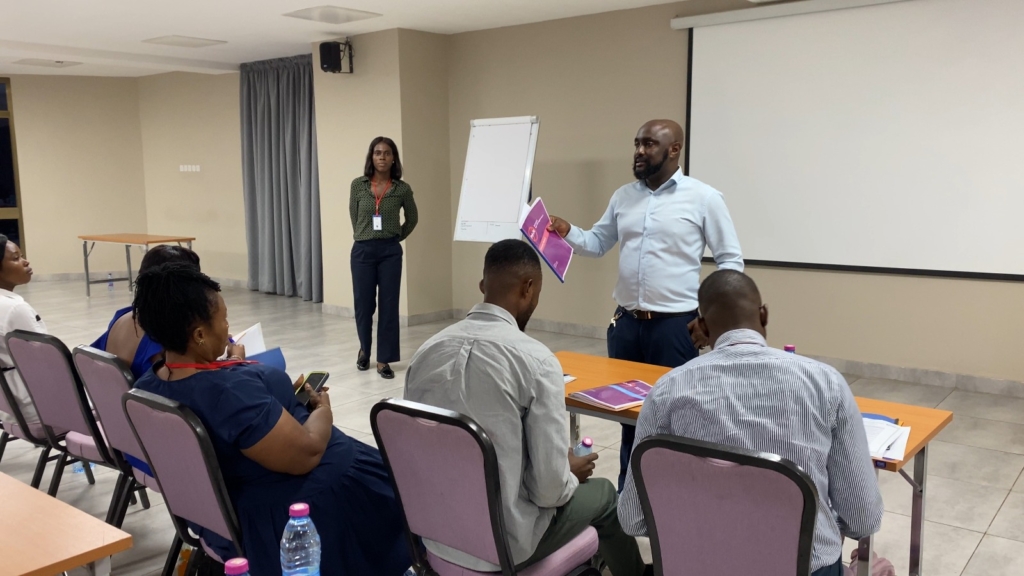
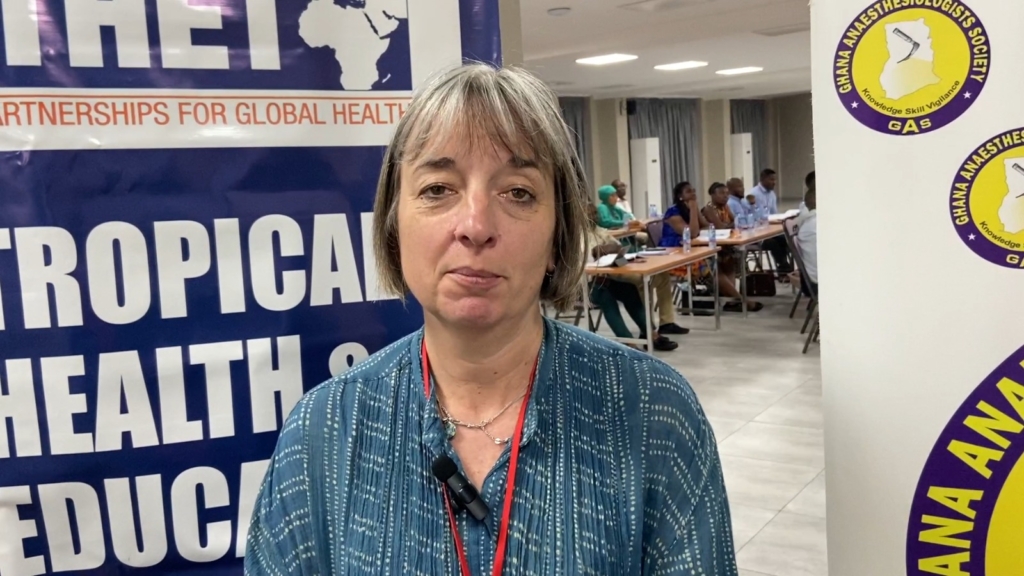
An Anesthesiologist at the World Federation of Anaesthesiologists, Clare Roques, says the modules are flexible to be easily absorbed by local anesthetists.
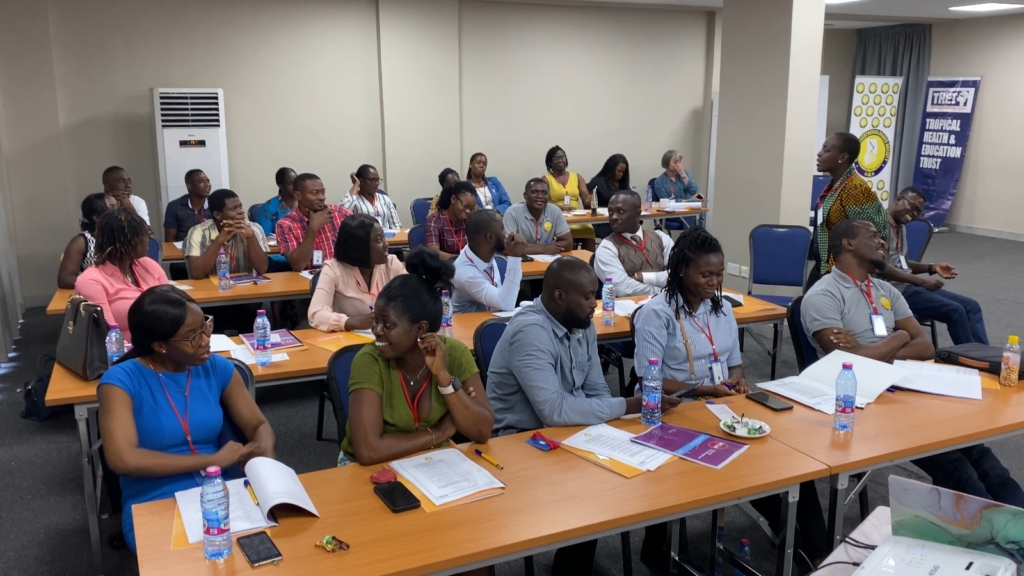
“Treatment options vary from country to country and the EPM is carved to take care of the varying needs and expertise. With this, health workers will have their own suitable option of pain control and treatment,” she said.
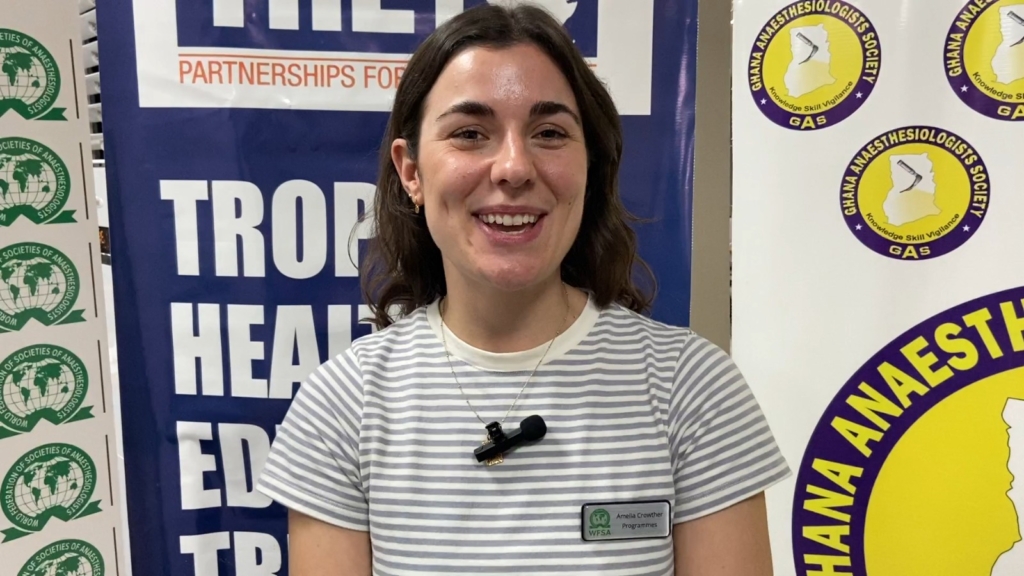
Amelia Crowther, the programs manager for World Federation of Anaesthesiologists, added that “The courses are supported by the Tropical Health Education Trust (THET). We are receiving grants to support this initiative and for these health officers to undergo this program”.
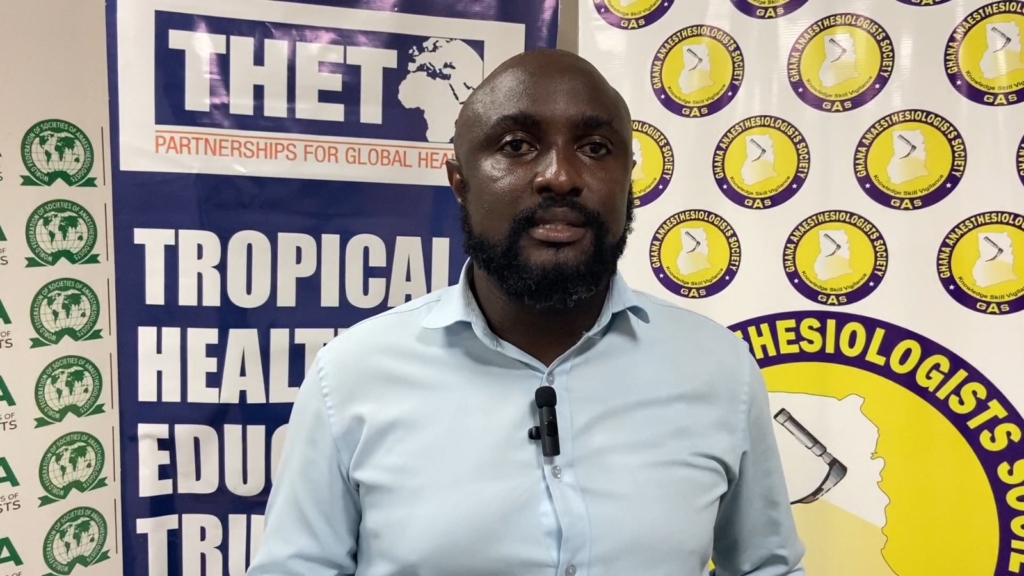
Some trainees, including clinicians, anesthetists, doctors, pediatricians and surgeons say they will be able to overcome defects in their practice concerning pain handling.
Latest Stories
-
2026/2027 GPL: Kelvin Nkrumah strike sends Medeama top of league table
3 minutes -
Emmanuel City crowned champions of maiden Global Game Scouting Tournament
12 minutes -
Thomas Partey loses father Jacob Teye Partey
24 minutes -
Martin Kpebu explains when EOCO can arrest Manhyia South MP after securing court warrant
42 minutes -
EOCO’s reasons for seeking Manhyia South MP arrest warrant not justified – Kpebu
45 minutes -
MTN Ghana warns SMEs against sharing PINs amid digital fraud risks
47 minutes -
Yendi nursing students warn restricted access to skills lab could affect their training
47 minutes -
Minority awaits formal notice of arrest warrant for Manhyia South MP – Annoh-Dompreh
50 minutes -
LTIF announces 2026 Pan-African edition in Accra from October 6-7
50 minutes -
Mfantsipim needs broader funding partnerships to bridge infrastructure gap – Prof Baiden
51 minutes -
MP status must not shield anyone from law enforcement – Kwakye Ofosu
1 hour -
EOCO had tactical team ready to arrest Baffour Awuah – Felix Kwakye Ofosu
1 hour -
Afoko can unite NPP’s factions, says Charles Owusu Juanah
2 hours -
Guardiola backing Man City after guilty verdicts
2 hours -
Annoh-Dompreh questions EOCO’s claim that Manhyia South MP was unavailable for questioning
2 hours